The bowl came before the pot. In Song-dynasty China tea was ground to powder, sifted and whisked in a wide bowl; Cai Xiang set the method down in his Record of Tea between 1049 and 1053, and the emperor Huizong wrote his own Treatise on Tea in 1107. Zen monks carried the practice to Japan, where Eisai came home from China in 1191 with scriptures and tea seeds. Four centuries on, in Sen no Rikyū's rooms of four and a half mats, the bowls were deliberately plain.
Then the powder went out of fashion at its source. In 1391 the Hongwu emperor ruled that only loose tea would be accepted as tribute, and by the end of the sixteenth century whole leaf had replaced both cake and powder across China. Whole leaf asks for different tools: room to open in, and a way of lifting it out again before the pot turns bitter.
Europe met the leaf late and kept it in the pot. Samuel Pepys recorded his first cup of tea, a China drink, in 1660, and the habit took hold at court after Charles II married Catherine of Braganza two years later. Anna Maria Russell, Duchess of Bedford, is credited with making five o'clock tea fashionable in the 1840s. Every tray of that kind carried something to hold the leaf back.
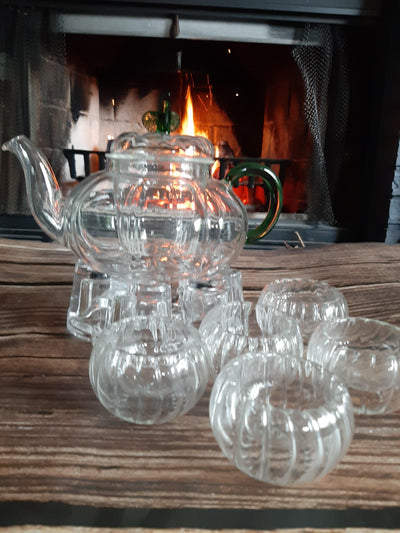
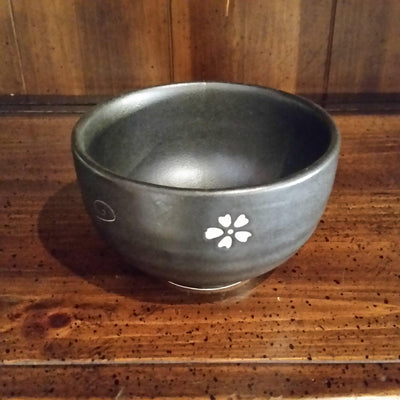
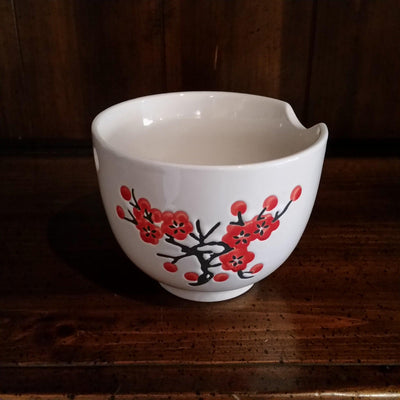
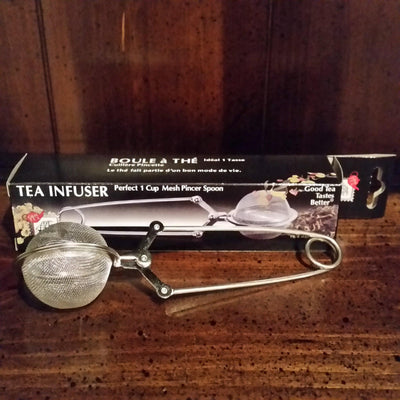
This shelf is the short list of those things. Matcha Bowl - Black is the whisking bowl, wide enough to work a whisk in, and Matcha/Noodle Bowl - Red Flower does the same and holds soup afterwards. Mesh Pincer Spoon - 1 Cup closes over one cup's worth of leaf; Tea Ball - 6 Cup is the version for a full pot. Animal Tea Infuser sits in a child's mug, Tea Tongs pick up what is too hot to hold, and Kid's Glass Teapot - 2 Cup lets the drinker watch the leaf open.