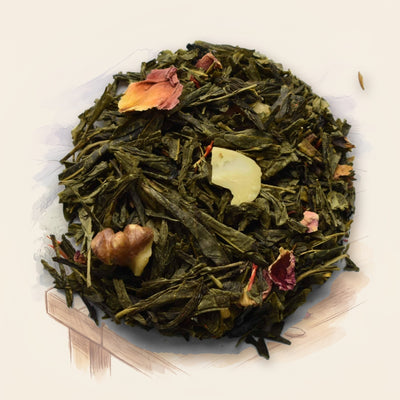

Loose Leaf Green Tea
Read its story
Results
the fresh one.Light, grassy, and refreshing — clean-tasting with a gentle lift. Brews pale yellow. Lower caffeine than black. Perfect for afternoons or when you want something light but not boring.
How to brew it
- 175°F / 80°C
- Steep 2–3 minutes
- Use 1 tsp per 8oz
- Boiling water scorches the leaf and makes it bitter
- Re-steep the same leaves twice
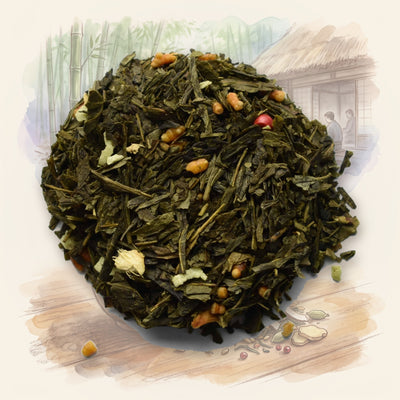
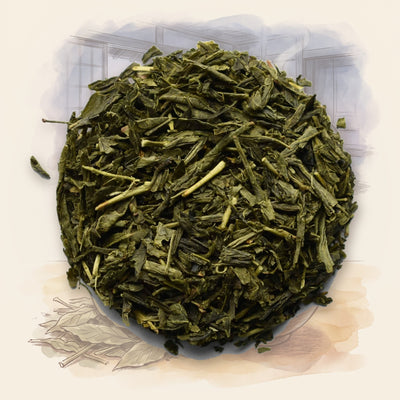
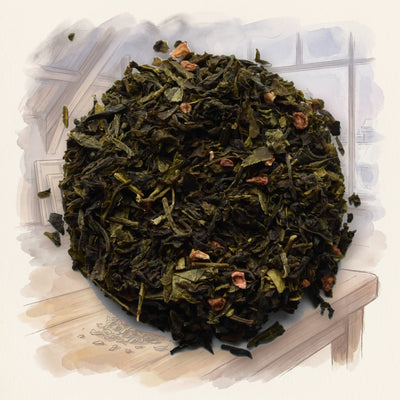
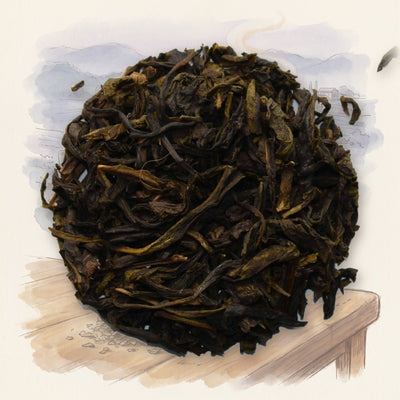
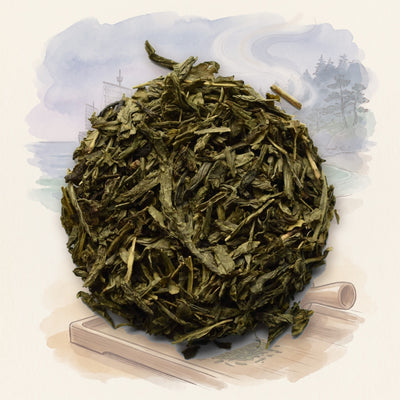
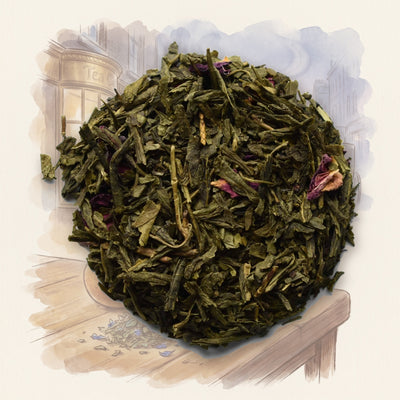
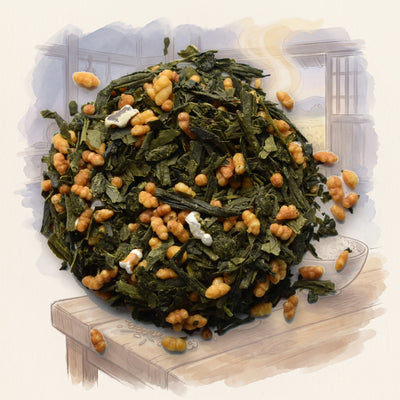
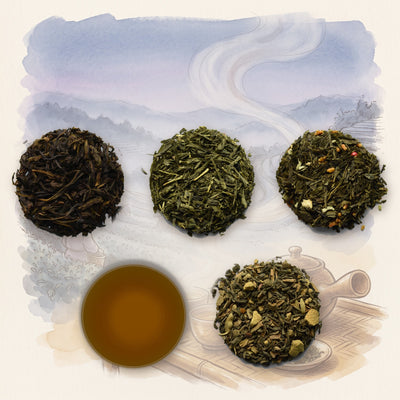
Green Tea Set: 5 Loose Leaf Green TeasGreen tea set · Low caffeine · Jasmine, toasted, tropical
4 of 5 available
$45.00
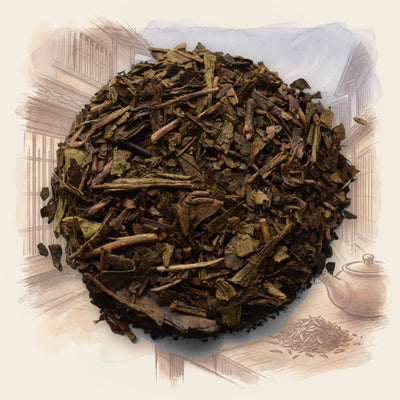
Haru's Hōjicha, OrganicJapanese roasted green · Low caffeine · Toasted, nutty
Sold out

$9.00

Jasmine Dragon Pearls, OrganicGreen tea · Low caffeine · Jasmine, sweet
Sold out
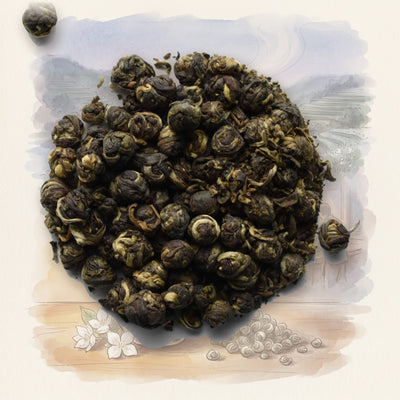
☆☆☆☆☆
★★★★★
(1)
$25.00
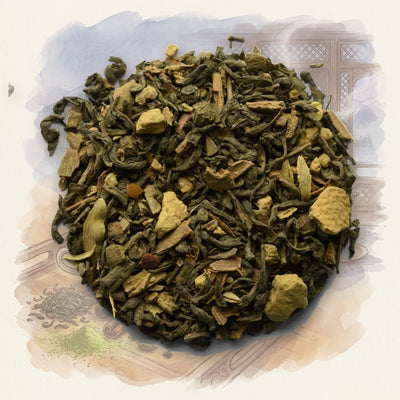
Long Island Strawberry, OrganicGreen tea · Low caffeine · Strawberry, floral
☆☆☆☆☆
★★★★★
(1)
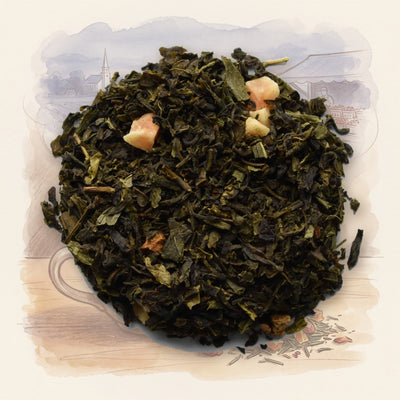
$9.00
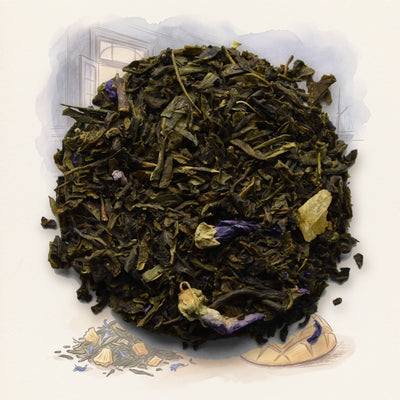
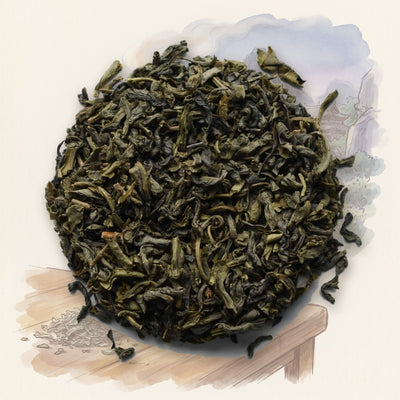
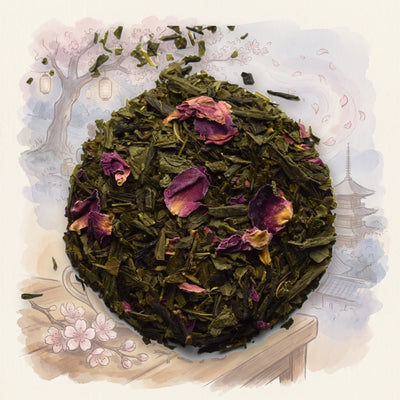
Sakura Cherry Blossom, OrganicGreen tea · Low caffeine · Cherry, floral
☆☆☆☆☆
★★★★★
(1)
$10.00
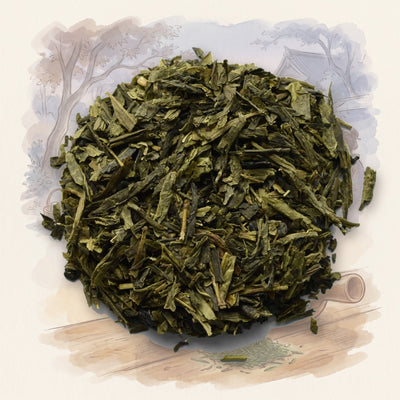
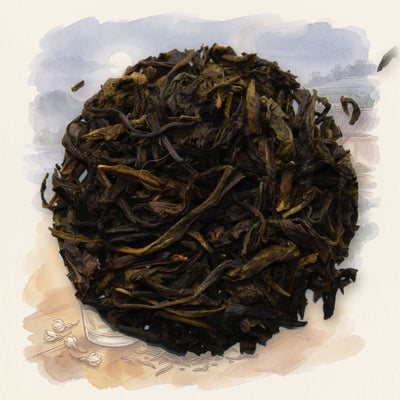
Silk Dragon Jasmine, OrganicGreen tea · Low caffeine · Jasmine, floral
☆☆☆☆☆
★★★★★
(2)
$9.00