Ceylon was a coffee island until 1869, when coffee leaf rust appeared and within ten years wiped the coffee out. James Taylor, a Scot who had sailed from London in 1852 at seventeen, had already planted about twenty acres of tea at Loolecondera in 1867 from Assam hybrid seed. When the big companies took over in 1891 the estate dismissed him; he died the next year.
The pickers came from India. From 1827, at the planter George Bird's request, Governor Edward Barnes recruited Tamil workers from around Tirunelveli, Madurai and Tanjore. They landed at Mannar, were quarantined at Matale and sent on to the estates, where kanganies oversaw the work and families lived in line rooms. Many died in their first months. The Ceylon Citizenship Act of 1948 made more than 700,000 of them stateless, and in 1949 they lost the vote; under the 1964 Sirima-Shastri Pact India agreed to take 525,000 back. Citizenship for the rest came in stages, the last in 2003.
Nuwara Eliya sits at 1,868 metres under Pidurutalagala, with frost some nights and eucalyptus and wild mint on the wind; the British called it Little England. Lover's Leap Falls drops beside the Pedro estate; legend has it a prince and a village girl, forbidden by his family, leapt together from the top. Kenilworth was named for the castle in Warwickshire.
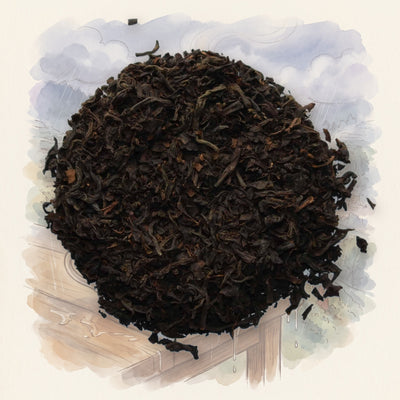
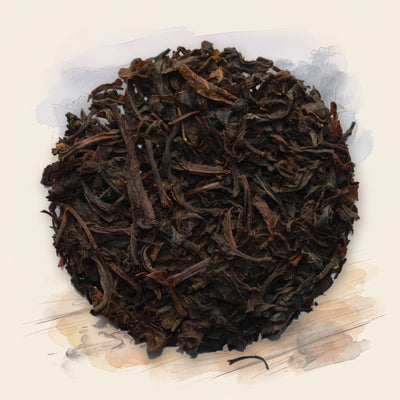
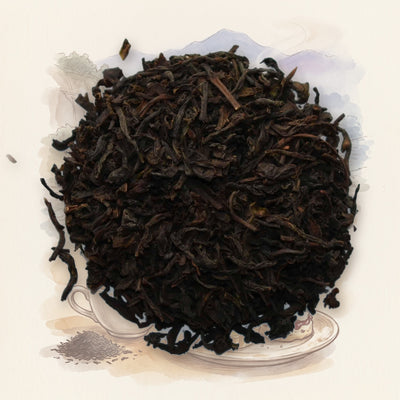
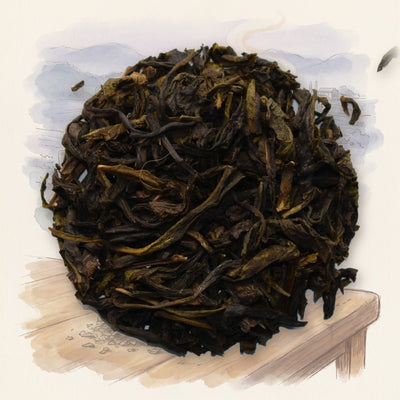
Ceylon Estate is the hill country in one pot. Kenilworth Ceylon carries the name of an estate established in 1880, where about three thousand people live and work. Lover's Leap Estate takes its name from the waterfall. Ceylon Green, Organic is the young tradition, first exported in 1982, most of it from Uva.