The first chicken bones that are unmistakably domestic come from Ban Non Wat in Thailand, from somewhere between 1650 and 1250 BCE, in the same ground as the first rice and millet farming. The birds appear to have come to the fields for the grain and stayed.
The bird became a measure of a good year. Henri IV of France is supposed to have wished that no labourer in his kingdom should lack the means to put a chicken in his pot. He probably never said it. The line was written down about fifty years after his death by Hardouin de Perefixe, tutor to the young Louis XIV, as a lesson in how a good king behaves, and it was in print by 1661.
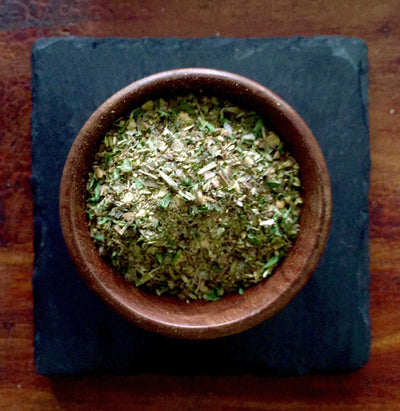
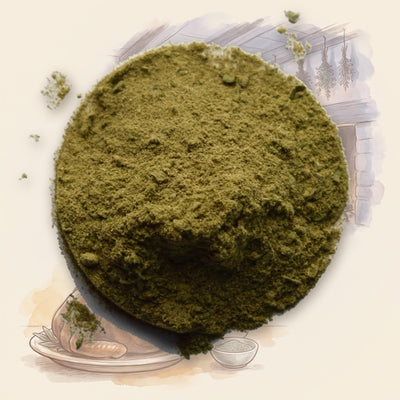
The seasoning for it is nearly as old as the country that eats most of it. In Hartford in 1796 Amelia Simmons wrote the first American cookbook, and her stuffed turkey calls for a little sweet marjoram, summer savory, parsley and sage. From 1867 William G. Bell mixed a poultry blend in Boston out of spices landed at the harbour.
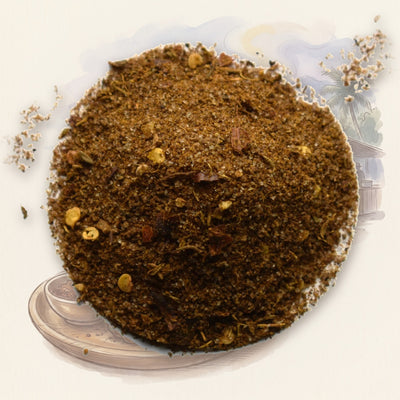
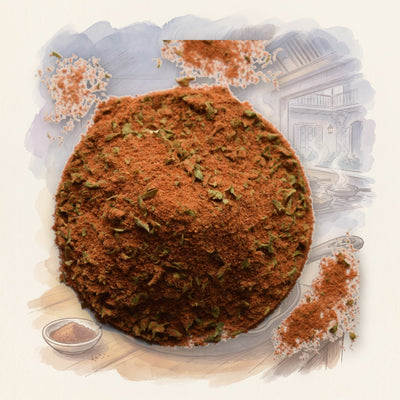
The other three rubs are twentieth-century and traceable. Blackening was Paul Prudhomme's: butter, spice and a cast-iron pan hot enough to smoke, first done at his New Orleans restaurant in about 1980, and so popular that Louisiana shut the commercial redfish season in January 1988. Greek seasoning as a jar began in a washtub on a porch in Harrison, Arkansas, on 4 July 1968. Jerk is the oldest, a rub built for meat smoked over green pimento wood in Portland parish, Jamaica.
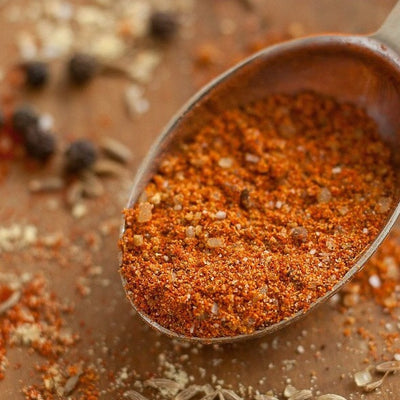
Poultry Seasoning is the roast and the stuffing, sage and onion at the front. Chicken Rub Blend goes under the skin for the grill. Cajun Blackening Spice Blend wants the skillet, Jamaican Jerk wants hours in the marinade, and Greek Seasoning is lemon, garlic and sesame for a tray of thighs.