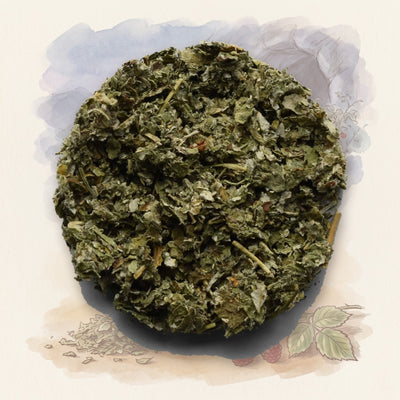
A dog rose climbs about ten metres up the apse of Hildesheim Cathedral in Lower Saxony. Written records put it at some seven hundred years. When the city was bombed on 22 March 1945 nothing was left standing above ground, but the rubble covered the roots, and eight weeks later twenty-five new shoots came up out of it. Legend has it Louis the Pious lost a reliquary while hunting in 815, found it in a wild rose and built his church beside it.
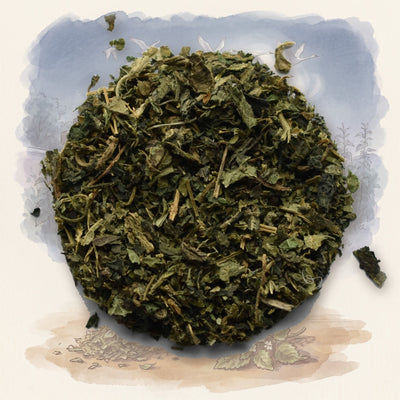
Nettle was cloth here long before it was a cup. Around 800 BC a man's burnt bones were wrapped in nettle cloth and laid in a bronze urn in one of Denmark's richest Bronze Age graves. The strontium in the fibres is not Danish; it points south, most probably to Austria. One archaeologist imagines a Funen bronze trader who died on the road and was carried home in foreign cloth. The English idiom for the plant is Aesop's: grasp it firmly.
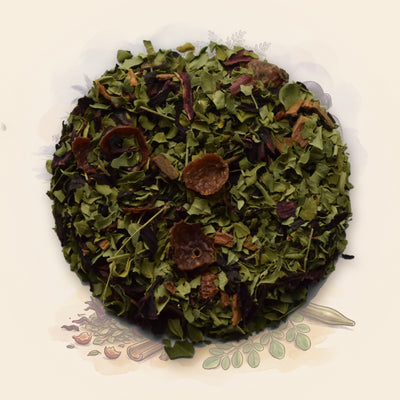
Moringa grows the other way round, fast and warm. The long thin pods give it the name drumstick tree, the root tastes of horseradish, and the seed gives ben oil, which the perfumers of the ancient world used because it is the least viscous of the oils. A young tree can stand three metres high in three months. Aid organisations took it up after an international conference in Tanzania in 2001 and spread it under the name miracle tree.
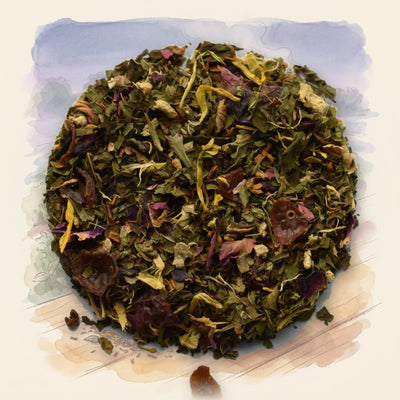
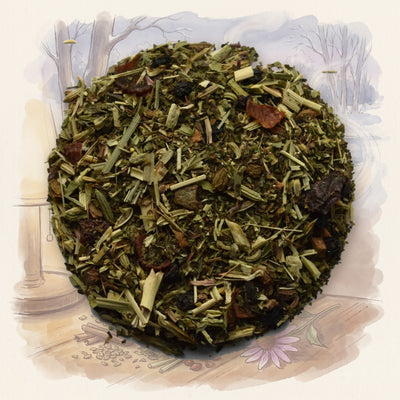
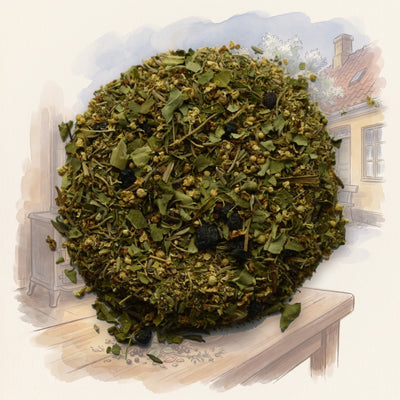
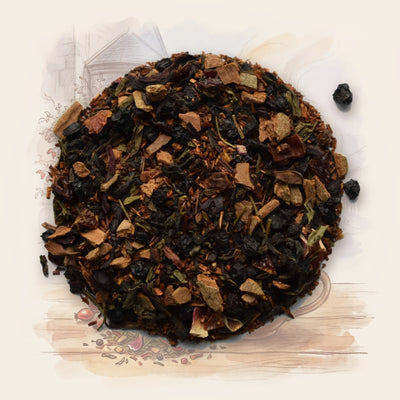
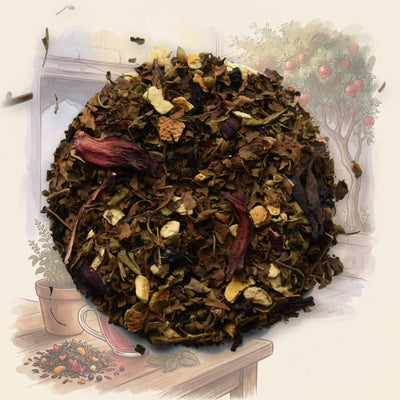
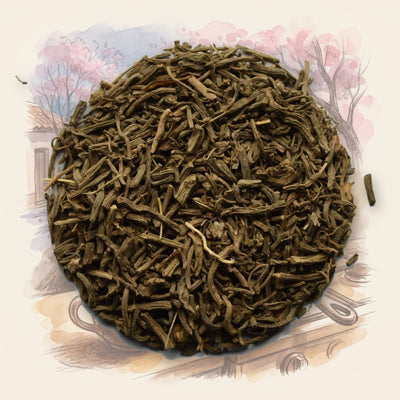
Nettle, Organic is the plain leaf. Moringa Defence, Organic sets that one with hibiscus, rosehips and cinnamon. Echinacea Immune Boost carries the prairie root with elderberries and fennel, Immune Boost, Organic is the spiced tin, ginger and cardamom and licorice, and Lapacho is bark rather than leaf, and wants a long simmer.