


Loose Leaf Tea
Read its story
Results
The whole wall.Every leaf in the shop on one shelf, from breakfast blacks to caffeine-free rooibos and fruit. Filter by kind, character or caffeine, or search for what you're craving. New to loose leaf? Start with a black or a rooibos and work outward.
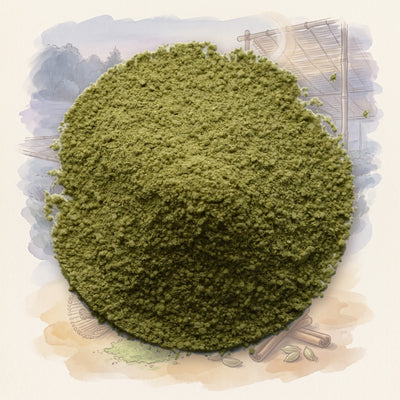
Chocolate Strawberry Matcha, OrganicLatte-ready · Medium caffeine · Strawberry, chocolate
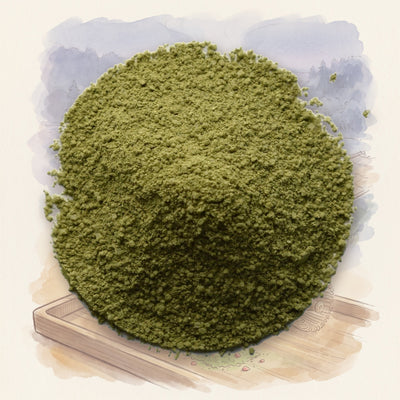
$9.00

Coconut Matcha, OrganicLatte-ready · Medium caffeine · Coconut, earthy
☆☆☆☆☆
★★★★★
(1)

$9.00
Cream of Earl Grey Matcha, OrganicLatte-ready · Medium caffeine · Bergamot, creamy
☆☆☆☆☆
★★★★★
(3)
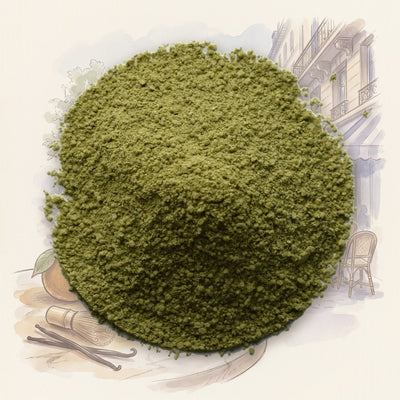
$9.00
Lavender Peach Matcha,Latte-ready · Medium caffeine · Lavender, peach
☆☆☆☆☆
★★★★★
(1)
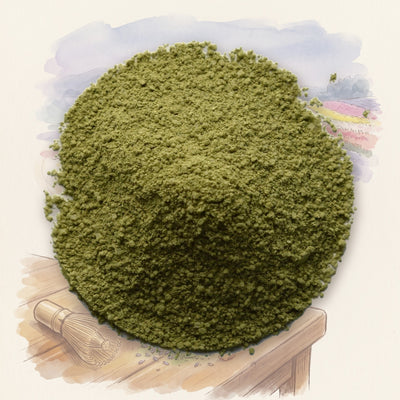
$15.00
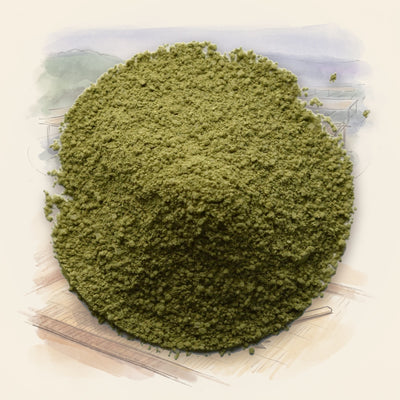
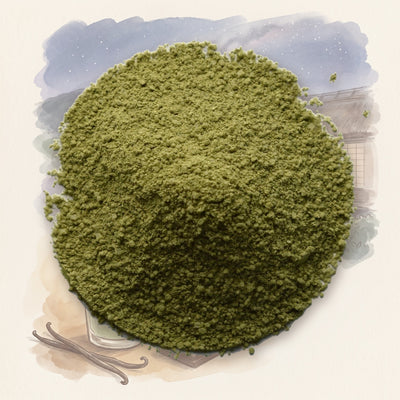
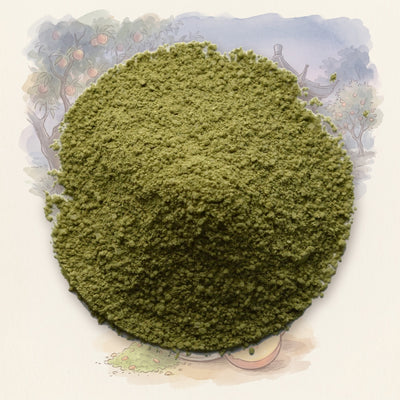
Pineapple, Pineapple Matcha, OrganicLatte-ready · Medium caffeine · Tropical, earthy
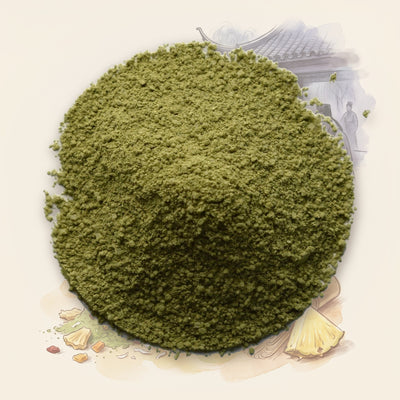
$9.00
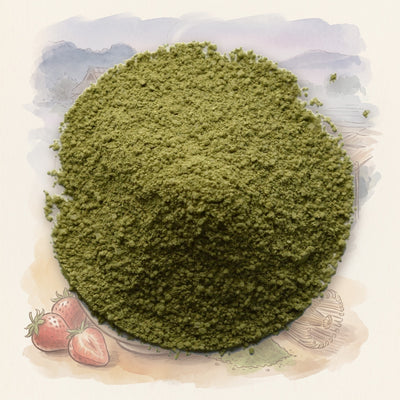
Strawberry Matcha, OrganicLatte-ready · Medium caffeine · Strawberry, earthy
☆☆☆☆☆
★★★★★
(2)
$9.00
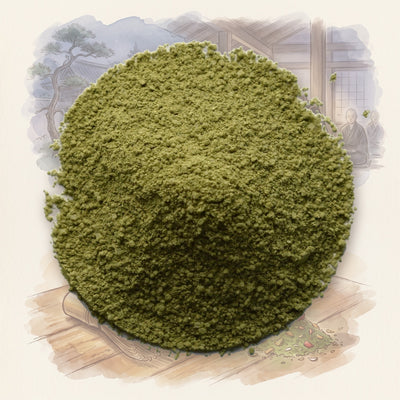
Tropic Thunder Matcha, OrganicLatte-ready · Medium caffeine · Tropical, earthy
☆☆☆☆☆
★★★★★
(2)
$9.00
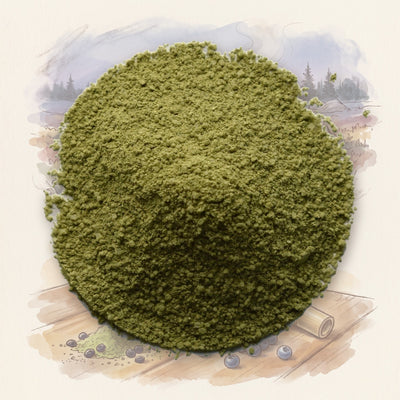
Wild Blueberry Matcha,Latte-ready · Medium caffeine · Blueberry, earthy
Sold out
☆☆☆☆☆
★★★★★
(2)
$15.00