
Loose Leaf Black Tea
Read its story
Results
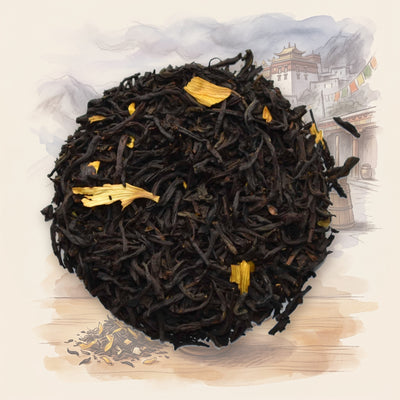
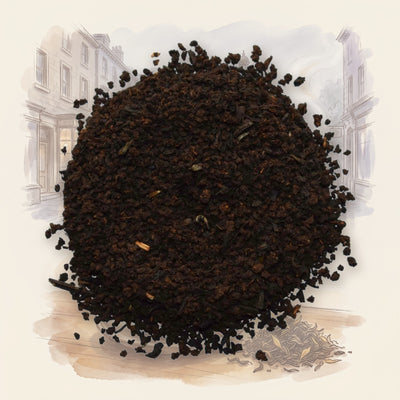
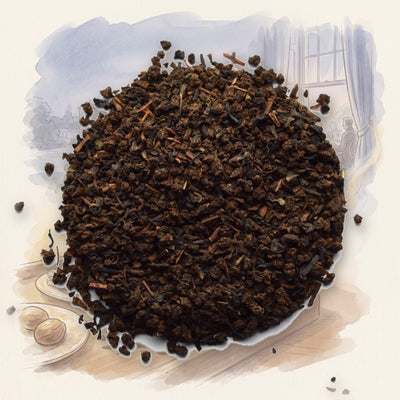
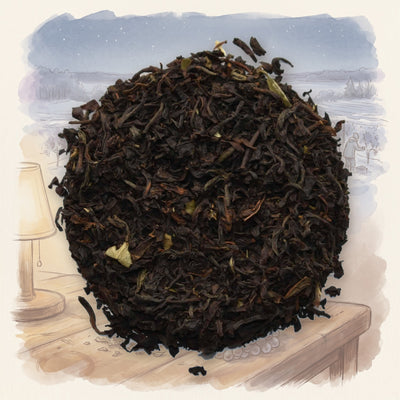
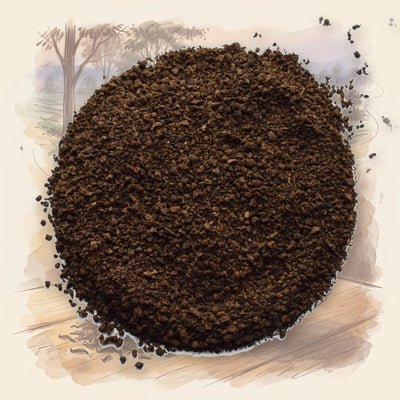
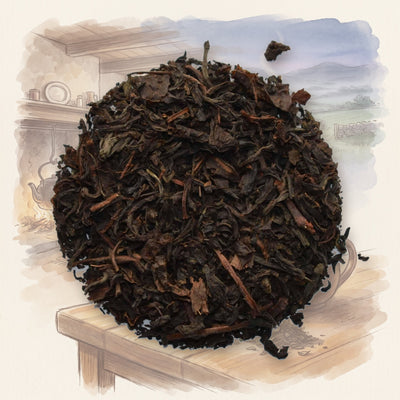
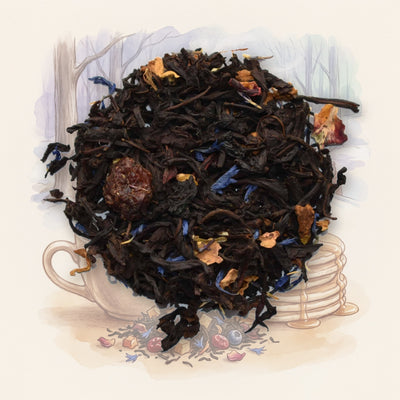
The bold one.Rich, malty, and satisfying — like the coffee drinker's tea. Notes of caramel, honey, and molasses. Brews deep amber. Hard to mess up, great with milk. This is your morning tea, your "I need something substantial" tea.
How to brew it
- 212°F / 100°C
- Steep 3–5 minutes
- Use 1 tsp per 8oz
- Past five minutes it turns bitter
- Takes milk better than any other leaf
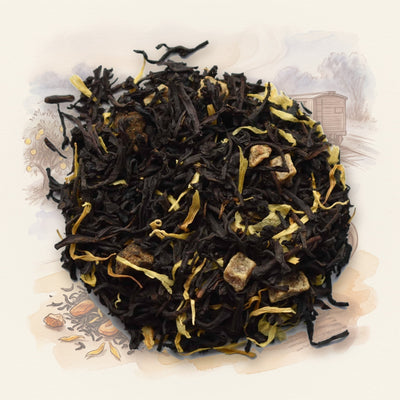
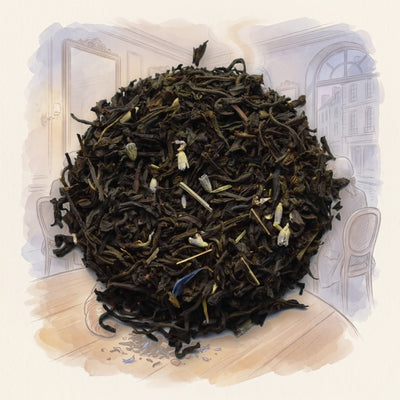
Buckingham Palace Garden PartyKnighted · Medium caffeine · Citrus, floral
☆☆☆☆☆
★★★★★
(6)
$9.00
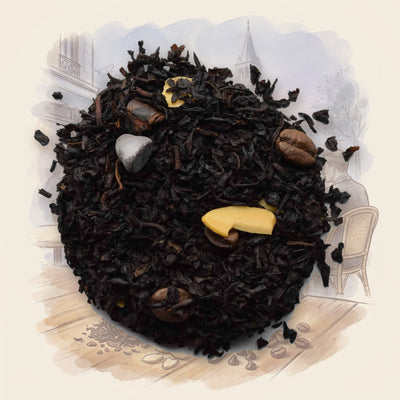
Canadian Flavours Tea Set: Maple, Icewine & Bella CoolaCanadian set · Mixed caffeine · Maple, ice wine, orange
3 of 5 available
$52.00

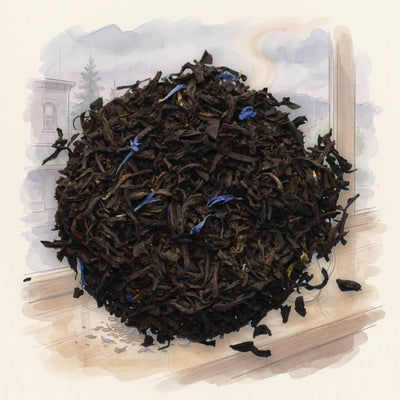
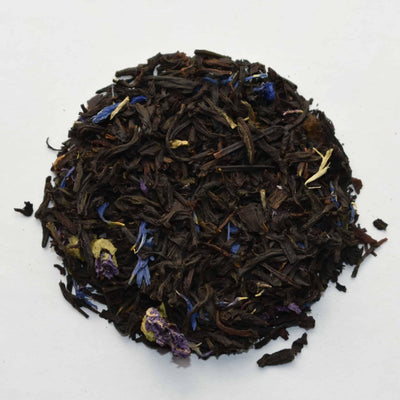
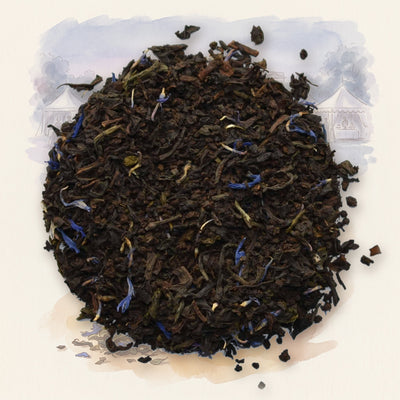
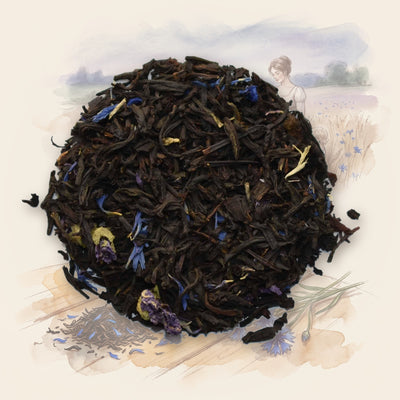
Earl Grey Blue Flower, OrganicBlack tea · Medium caffeine · Bergamot, smooth
☆☆☆☆☆
★★★★★
(3)
$8.00

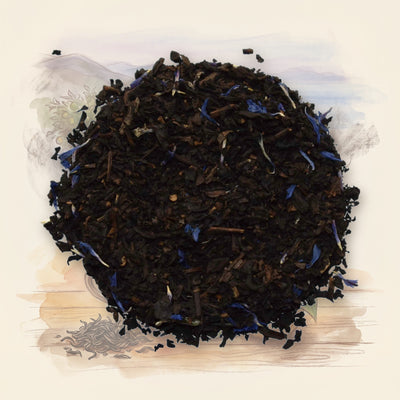
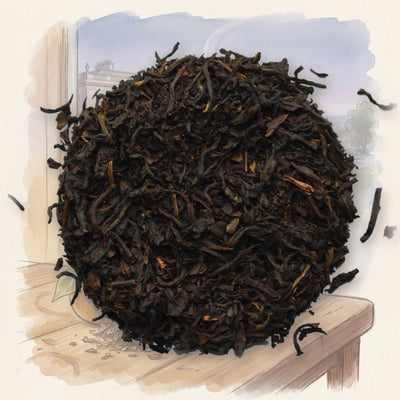
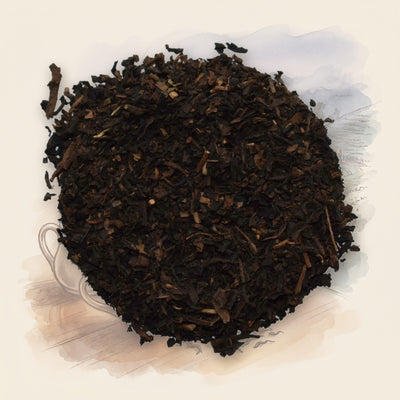
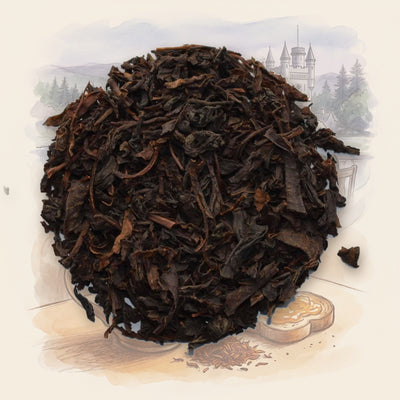
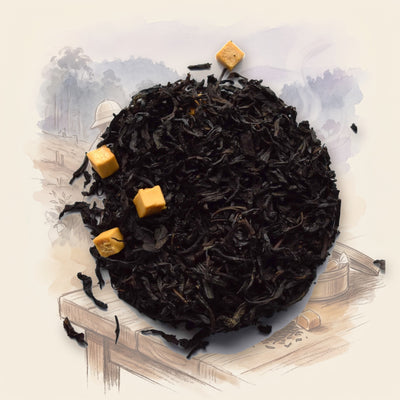

Lapsang Souchong, OrganicCampfire in a Cup · Medium caffeine · Smoky, piney
☆☆☆☆☆
★★★★★
(1)
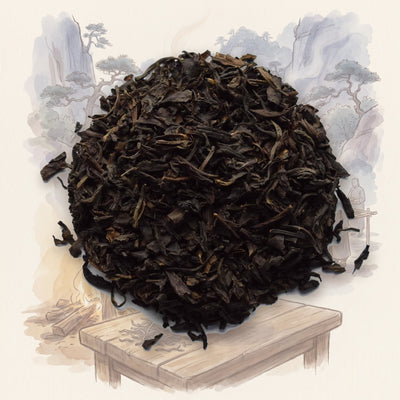
$8.00
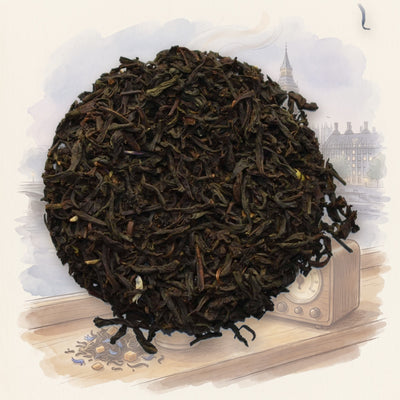
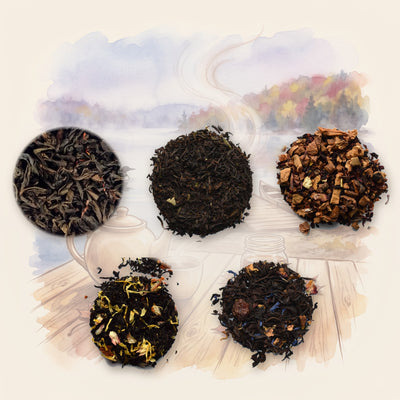
Loose Leaf Black Tea Set: 5 ClassicsBlack tea set · Medium caffeine · Bergamot, vanilla
4 of 5 available
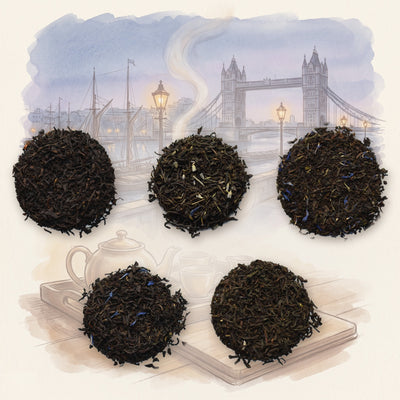
$46.00
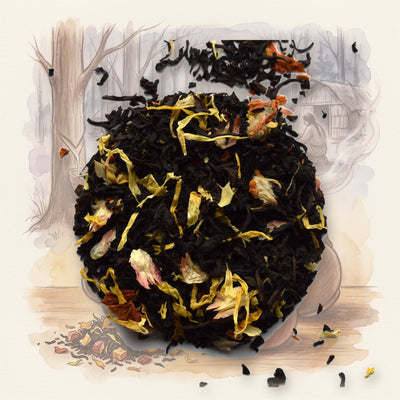
Maple, Eh! OrganicBlack tea · Medium caffeine · Maple, sweet
Sold out

☆☆☆☆☆
★★★★★
(1)
$9.00