
High Tea Essentials
Read its story
Results
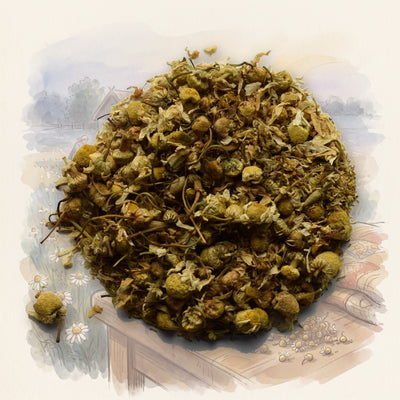
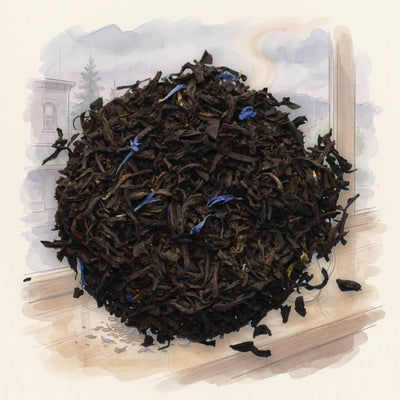
Set the table.One strong black for the pot, one scented tea to show off, one caffeine-free for the guest who asks. Buckingham Palace Garden Party is the showpiece; English Breakfast is the workhorse; chamomile closes.
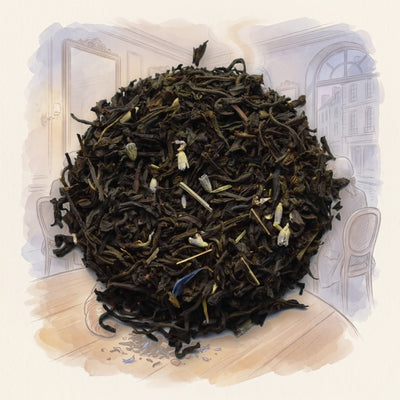
Buckingham Palace Garden PartyKnighted · Medium caffeine · Citrus, floral
☆☆☆☆☆
★★★★★
(6)
$9.00

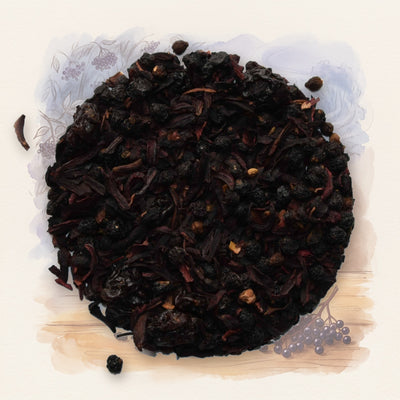
Elderberry Burst, OrganicIced tea · Caffeine-free · Elderberry, tart
☆☆☆☆☆
★★★★★
(1)
$9.00

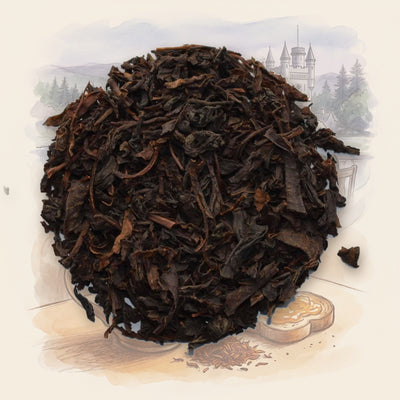
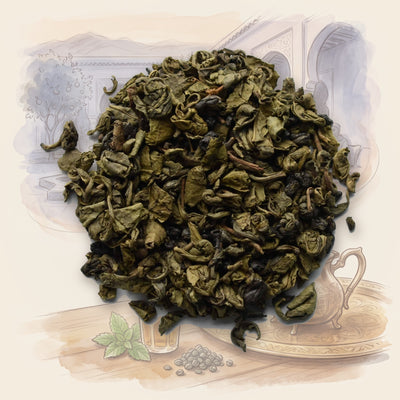
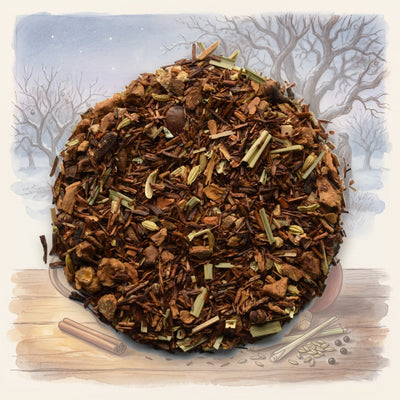
Hot Apple Cider, OrganicHoliday · Caffeine-free · Apple, spiced
Sold out

☆☆☆☆☆
★★★★★
(1)
$9.00
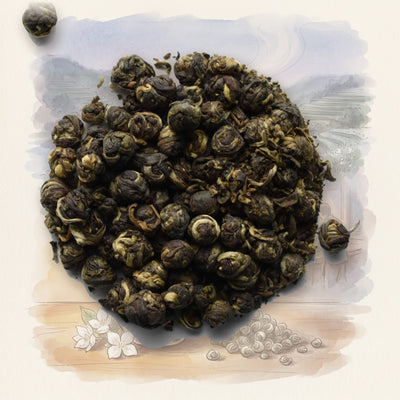
Jasmine Dragon Pearls, OrganicGreen tea · Low caffeine · Jasmine, sweet
Sold out
☆☆☆☆☆
★★★★★
(1)
$25.00
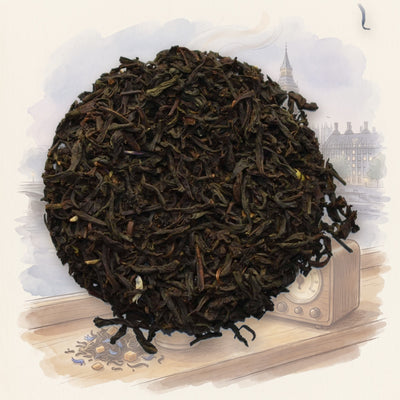
Loose Leaf Black Tea Set: 5 ClassicsBlack tea set · Medium caffeine · Bergamot, vanilla
4 of 5 available
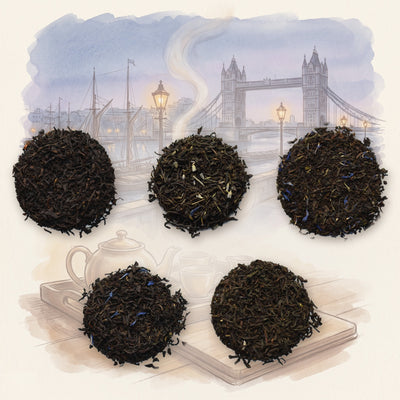
$46.00
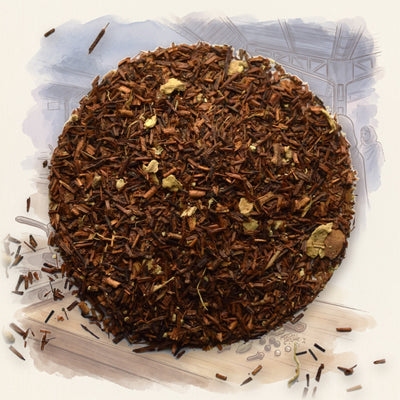
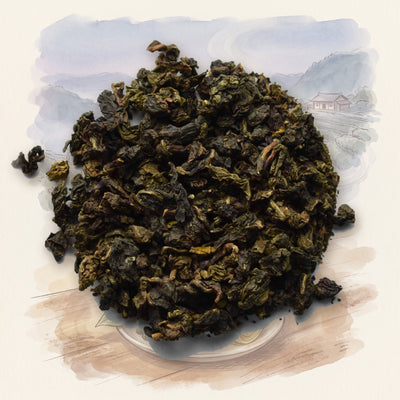
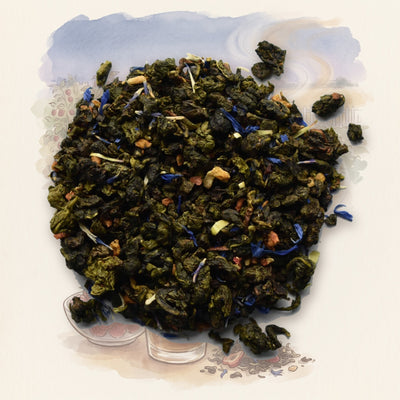
Oolong Berry BlendFlavored oolong · Low caffeine · Berry, sweet
Sold out
☆☆☆☆☆
★★★★★
(1)
$10.00
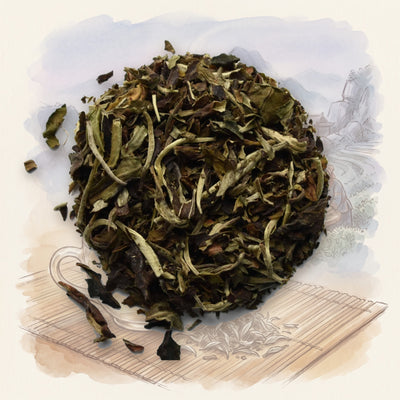
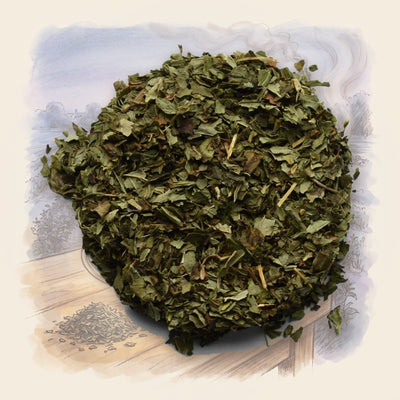
Peppermint, OrganicDigestive comfort · Caffeine-free · Cool, refreshing
☆☆☆☆☆
★★★★★
(1)
$10.00

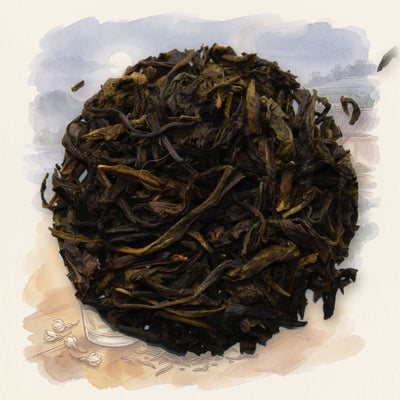
Silk Dragon Jasmine, OrganicGreen tea · Low caffeine · Jasmine, floral
☆☆☆☆☆
★★★★★
(2)
$9.00