
Ingredients · Spice
Mace
Myristica fragrans · Myristicaceae

What it’s like, and how to use it
How to use it
A blade of mace in a cream sauce, a béchamel, a custard or a potted meat — the classic English use, added whole and removed. Ground into pound cake, doughnuts and spice blends. In Old Bay, in pumpkin pie blends, in ras el hanout. It is preferred over nutmeg wherever colour matters, because it turns a sauce faintly gold rather than speckling it brown.
With food
Cream, milk and custard. White fish and shellfish, especially potted shrimp. Chicken and veal. Cauliflower and potato. Cherry. Pound cake and doughnuts.
With spices
Nutmeg, which is the same fruit. Cinnamon, cloves and allspice. White pepper. Bay. Celery seed, in Old Bay.
With tea
Darjeeling, Earl Grey and English Breakfast on a baking day.
Its story
Where it comes from
The Banda Islands in Maluku, the only source of nutmeg and mace until the mid-nineteenth century; nutmeg starch grains on potsherds from Pulau Ay are dated to about 3,500 to 3,000 years ago. Grenada, the Isle of Spice, took nutmeg in 1843 and is now the world's second-largest producer after Indonesia; a split-open nutmeg is on its flag. No lot origin named.
What happened
Mace's story is the Banda Islands, and it is a hard one. In 1621 the Dutch East India Company governor-general Jan Pieterszoon Coen took Banda by force: of an estimated thirteen to fifteen thousand Bandanese, perhaps a thousand remained on the islands afterwards, as forced labourers, and the productive land — about half a million nutmeg trees — was divided into sixty-eight plantations worked by enslaved and coerced people brought in from elsewhere. Nathaniel Courthope of the English East India Company held the tiny island of Run against the Dutch for 1,540 days before he was shot. At the Treaty of Breda in 1667 England kept New Amsterdam — Manhattan — and the Dutch kept Run, which is usually told as a swap, though the treaty simply let each side keep what it already held. There is a lighter story too, and it is lore: a Company official, seeing mace fetch more than nutmeg, is said to have ordered planters to grow fewer nutmeg trees and more mace trees, not knowing both come from the same fruit.
On the shelf with it
Sold on its own, and in these blends.
-
 Sold out
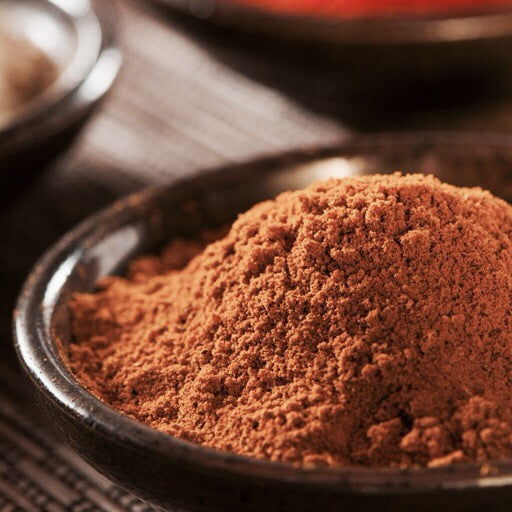
Mace, Ground
Regular price From $9.99 CADRegular price -
Old Bay Spice Blend
Regular price From $9.99 CADRegular price -
Ras El Hanout
Regular price From $9.99 CADRegular price -
Cape Cod Fish Seasoning
Regular price From $9.99 CADRegular price -
 Sold out
Pumpkin Spice Blend
Regular price From $9.99 CADRegular price


