


Best Teas for Lattes
Read its story
Results
Built for milk.Brew it twice as strong — the milk halves everything. Chai was designed for this; Earl Grey with vanilla and steamed milk is a London Fog; matcha whisked into milk is the latte that needs no steeping. Delicate greens and whites stay out of it.
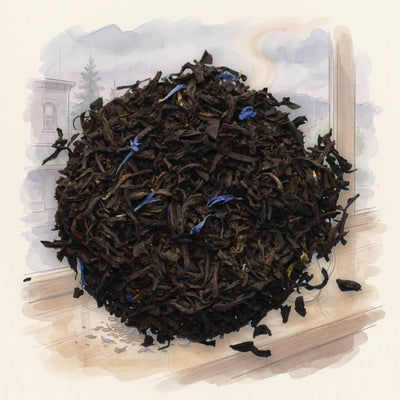
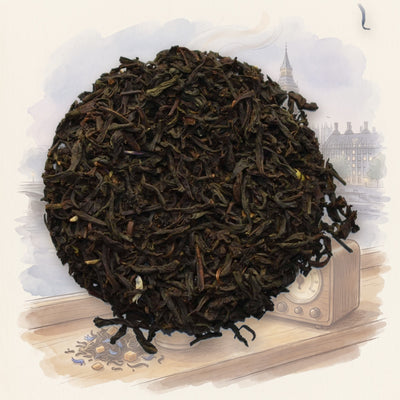

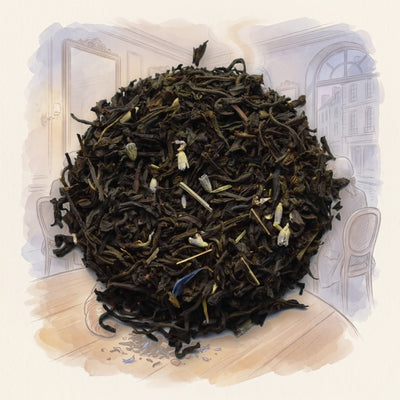
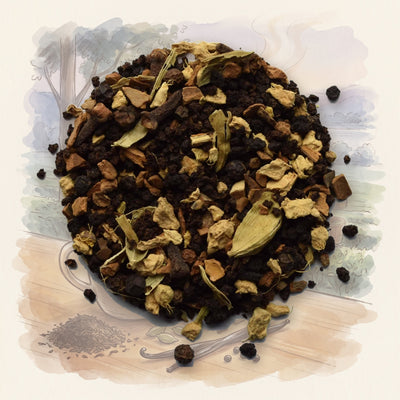
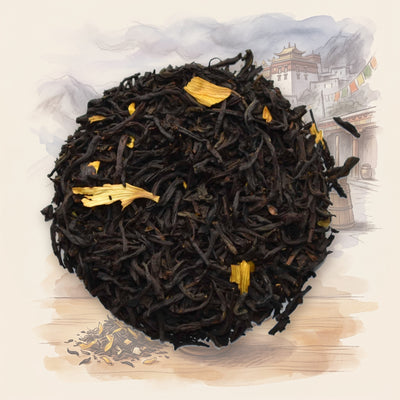
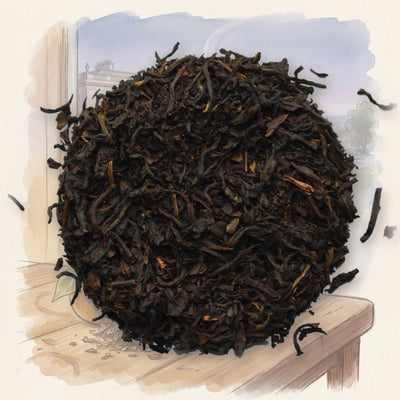
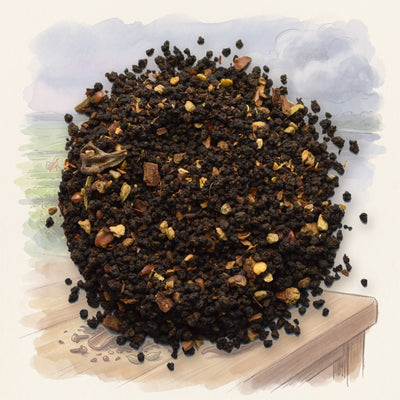
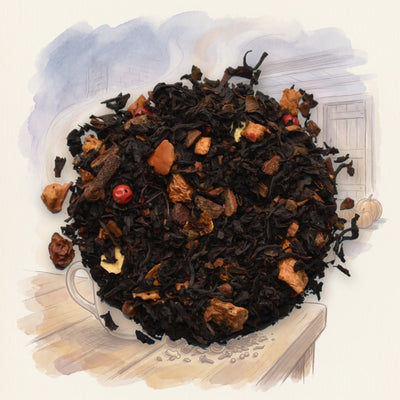
Cream of Earl Grey Matcha, OrganicLatte-ready · Medium caffeine · Bergamot, creamy
☆☆☆☆☆
★★★★★
(3)
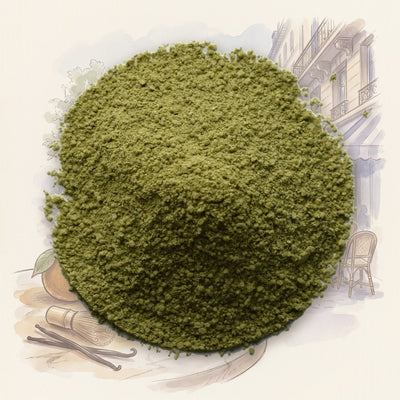
$9.00

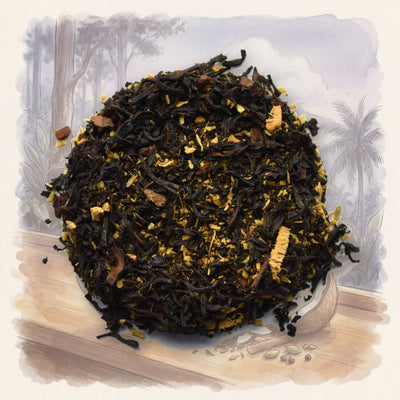

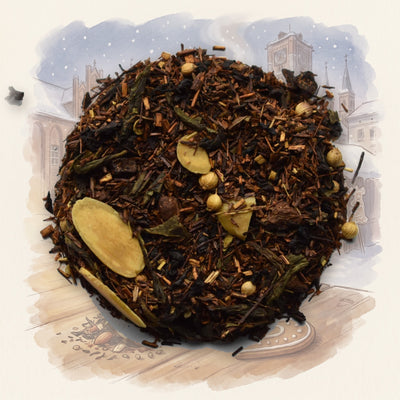
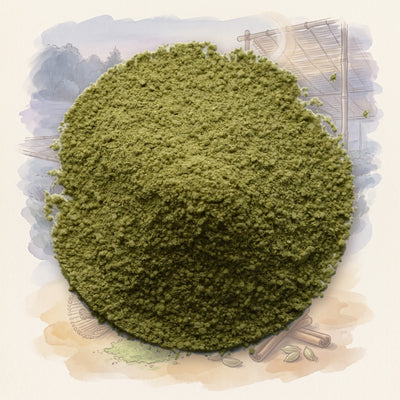
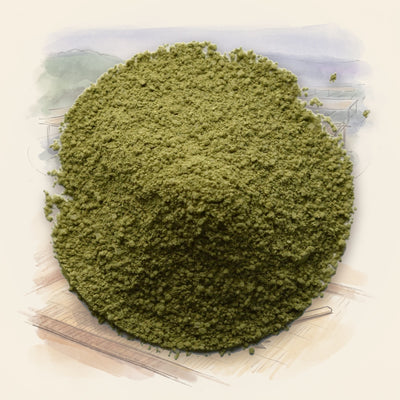
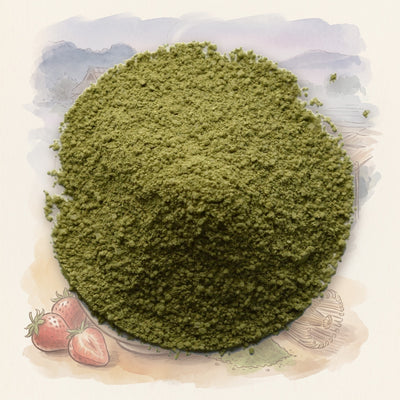
Strawberry Matcha, OrganicLatte-ready · Medium caffeine · Strawberry, earthy
☆☆☆☆☆
★★★★★
(2)
$9.00
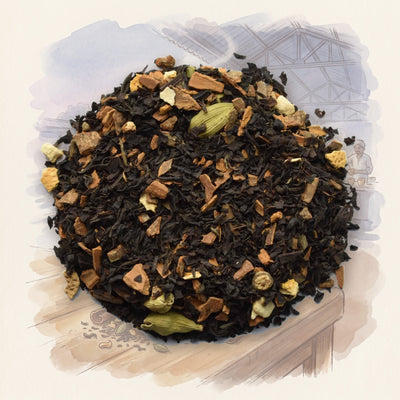
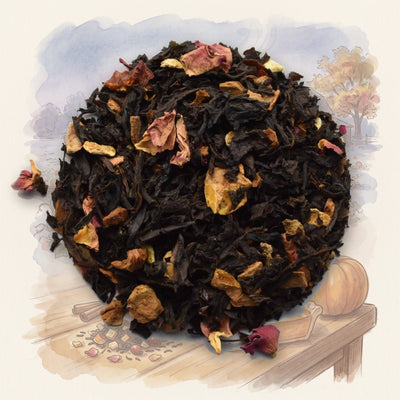
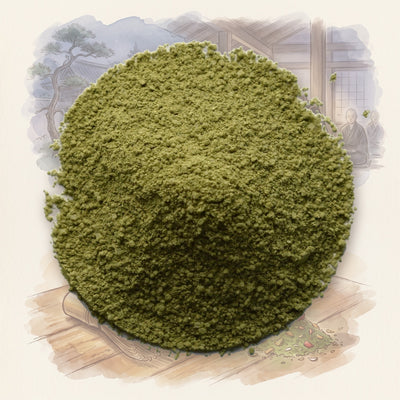
Tropic Thunder Matcha, OrganicLatte-ready · Medium caffeine · Tropical, earthy
☆☆☆☆☆
★★★★★
(2)
$9.00
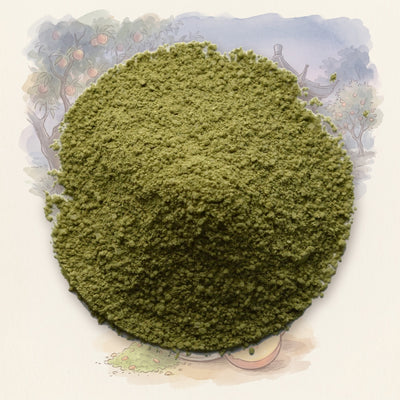
Coconut Matcha, OrganicLatte-ready · Medium caffeine · Coconut, earthy
☆☆☆☆☆
★★★★★
(1)

$9.00
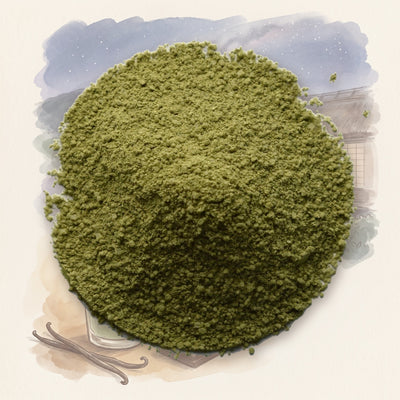
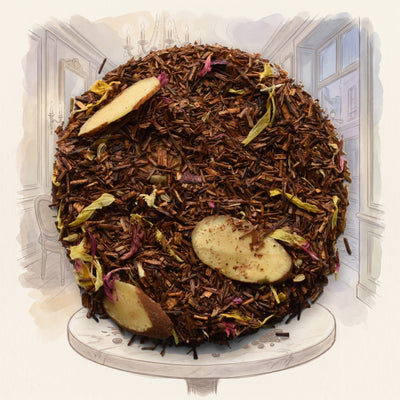
Wild Blueberry Matcha,Latte-ready · Medium caffeine · Blueberry, earthy
Sold out
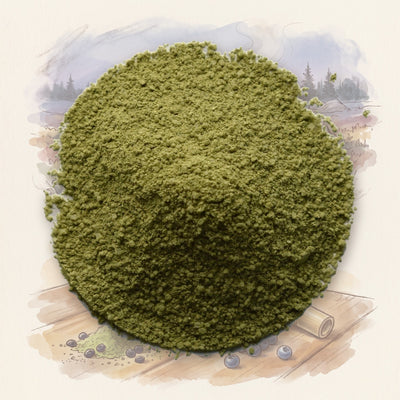
☆☆☆☆☆
★★★★★
(2)
$15.00
Chocolate Strawberry Matcha, OrganicLatte-ready · Medium caffeine · Strawberry, chocolate
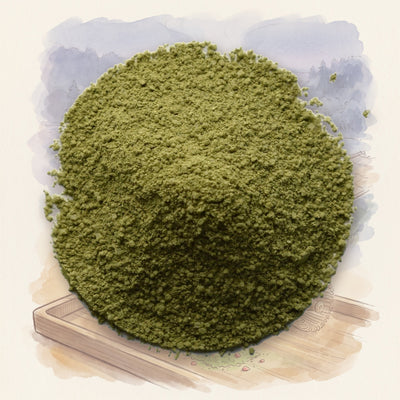
$9.00
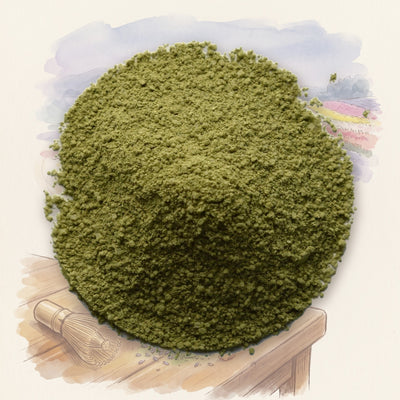
Lavender Peach Matcha,Latte-ready · Medium caffeine · Lavender, peach
☆☆☆☆☆
★★★★★
(1)
$15.00
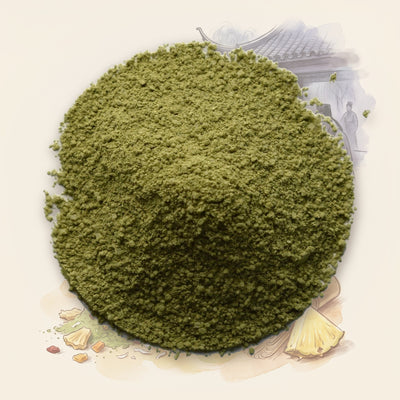
Pineapple, Pineapple Matcha, OrganicLatte-ready · Medium caffeine · Tropical, earthy
$9.00