


Herbal Teas for Long-Term Wellness
Read its story
Results
The long game.None of these are for tonight. Nettle, dandelion, raspberry leaf and hibiscus are mineral herbs you drink for months; the Ayurvedic blends work the same way. Pick two, alternate them, and give it a season.
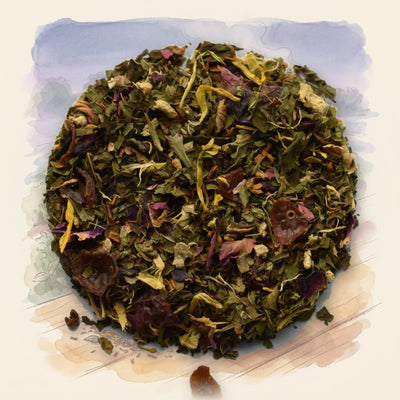
Ayurvedic Total Body, OrganicDaily wellness · Caffeine-free · Peppermint, herbal
☆☆☆☆☆
★★★★★
(2)
$13.00

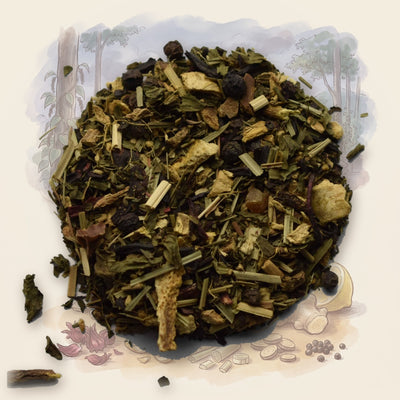
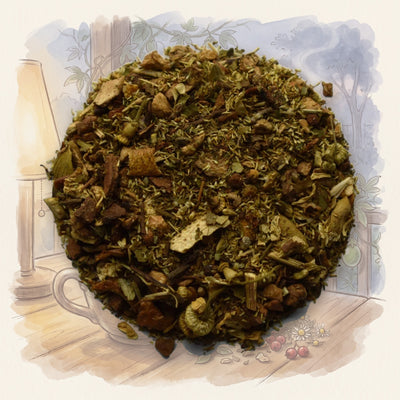
Hot Flash Mama, OrganicWomen's wellness · Caffeine-free · Raspberry leaf, herbal
☆☆☆☆☆
★★★★★
(1)
$9.00
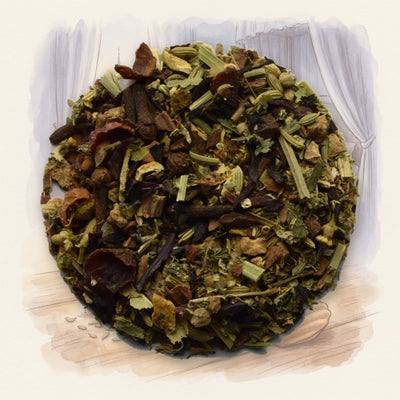
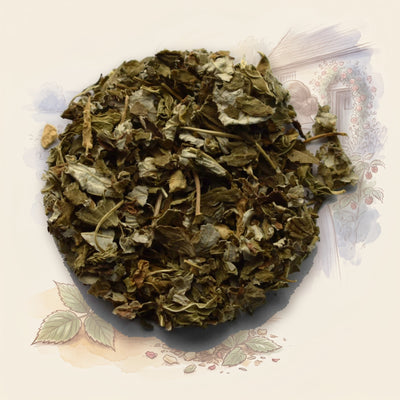
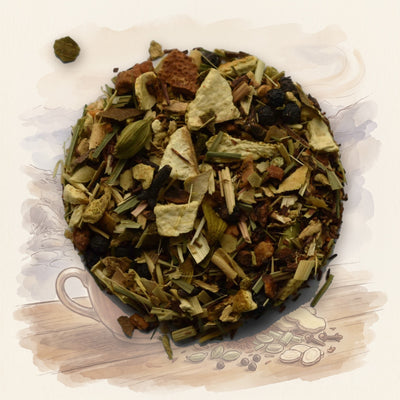
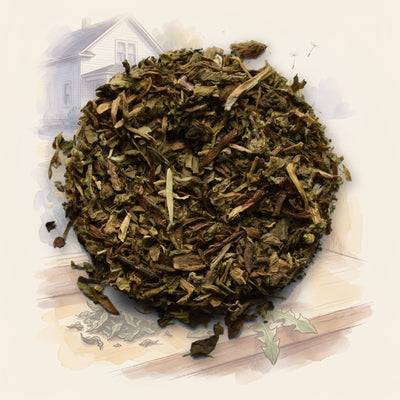
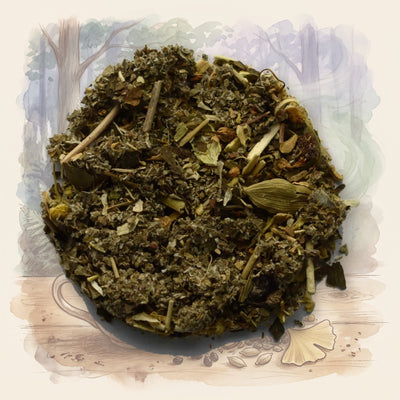
Ayurvedic Pitta Balance, OrganicAnti-inflammatory · Caffeine-free · Hibiscus, minty
Sold out
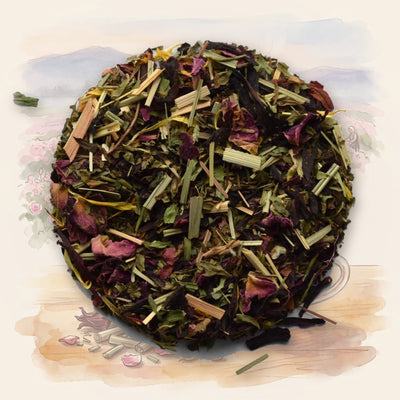

$9.00
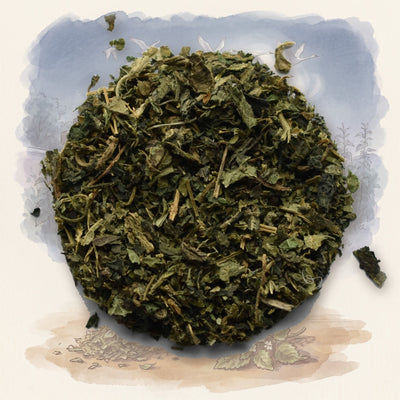
Detox Tea, OrganicGentle cleanse · Caffeine-free · Cleansing, herbal
Sold out
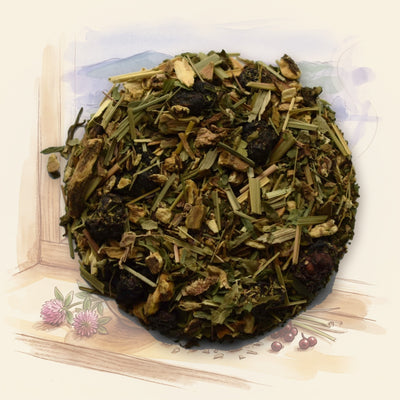
☆☆☆☆☆
★★★★★
(1)
$10.00

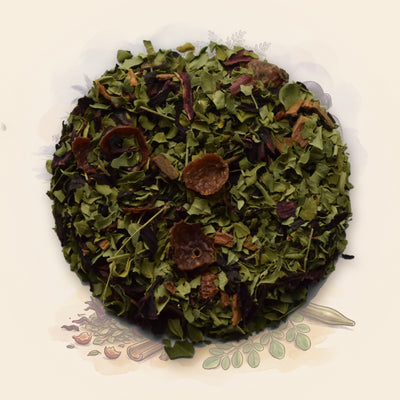
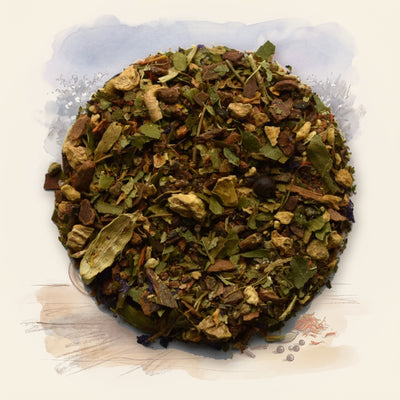
Skinny Mini, OrganicMetabolism support · Caffeine-free · Herbal, cleansing
☆☆☆☆☆
★★★★★
(1)
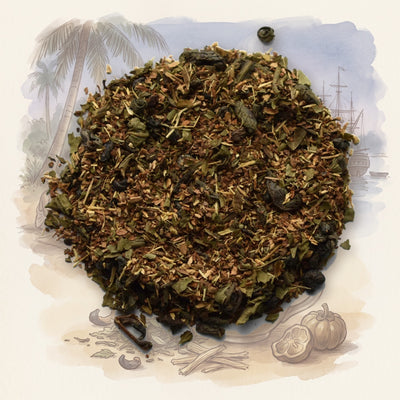
$9.00
Ayurvedic Women's UmaWomen's wellness · Caffeine-free · Ginger, warming
☆☆☆☆☆
★★★★★
(1)
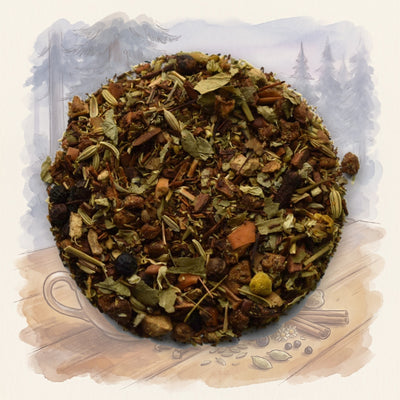
$9.00
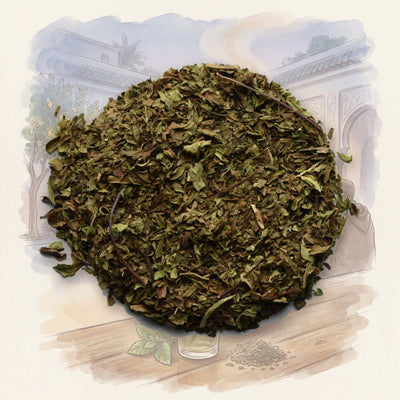

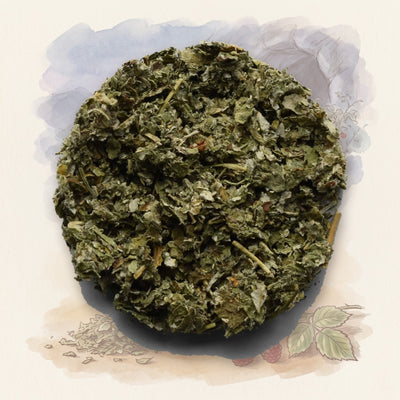
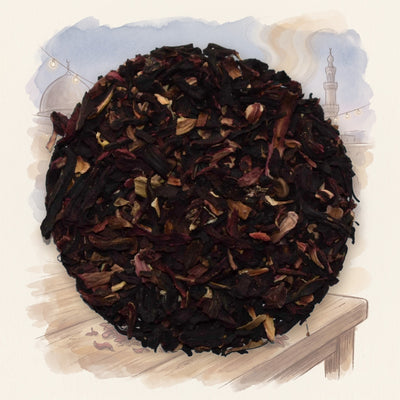
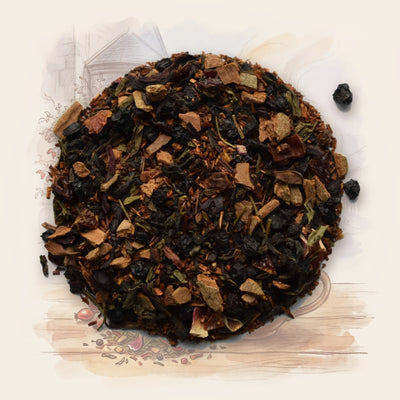
PMS Tea, OrganicWomen's wellness · Caffeine-free · Raspberry leaf, herbal
☆☆☆☆☆
★★★★★
(1)
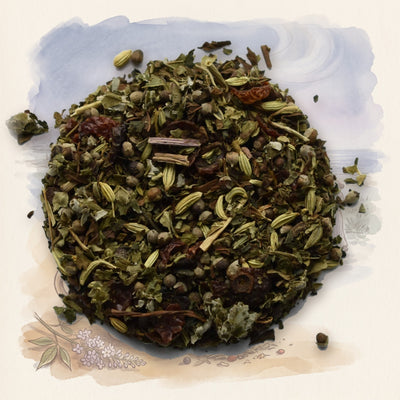
$20.00