


Herbal Teas for Focus & Concentration
Read its story
Results
The clear-headed cup.Some of these lift you — the pu-erhs, with caffeine that lands softer than coffee. The rest settle you so the focus can come: lemon balm, the tulsi in Buddha's Zen, the dosha blends. Pick by whether you need up or steady.
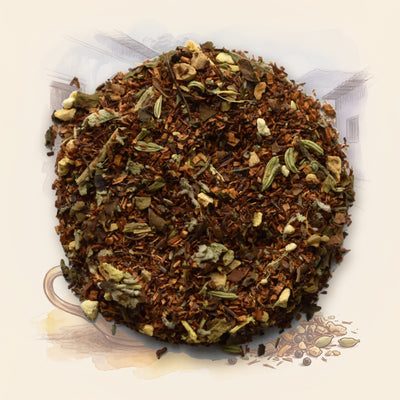
Ayurvedic Kapha Balance, OrganicEnergy & vitality · Caffeine-free · Herbal, warming
Sold out

$9.00

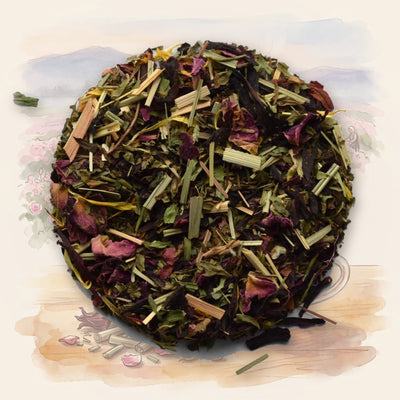
Ayurvedic Pitta Balance, OrganicAnti-inflammatory · Caffeine-free · Hibiscus, minty
Sold out
$9.00
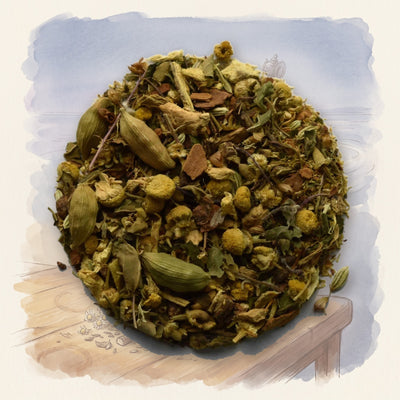
Ayurvedic Vata Balance, OrganicCalm & ease · Caffeine-free · Chamomile, herbal
Sold out
☆☆☆☆☆
★★★★★
(1)
$9.00
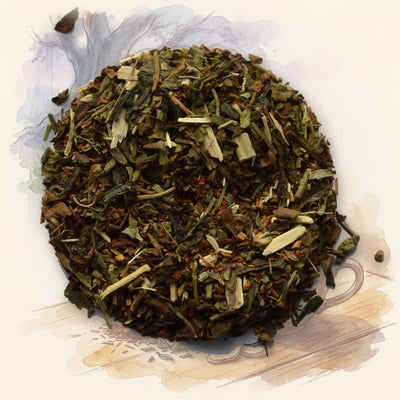
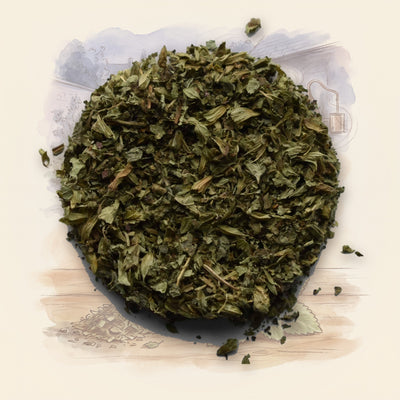
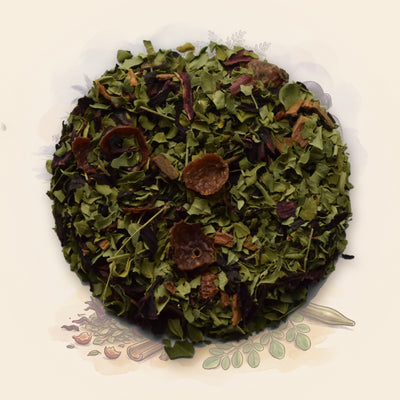
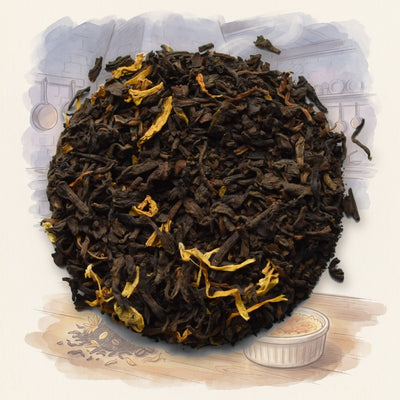

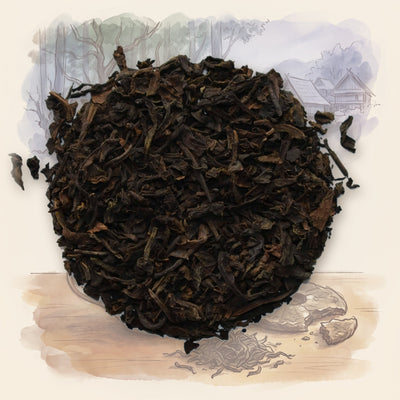
Scottish Caramel, Pu-erh, Three-Year Vintage,Pu-erh · Medium caffeine · Caramel, earthy
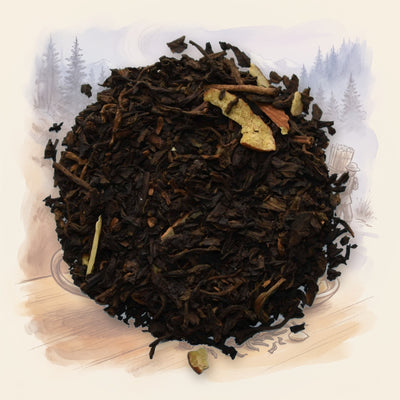
$10.00
Skinny Mini, OrganicMetabolism support · Caffeine-free · Herbal, cleansing
☆☆☆☆☆
★★★★★
(1)
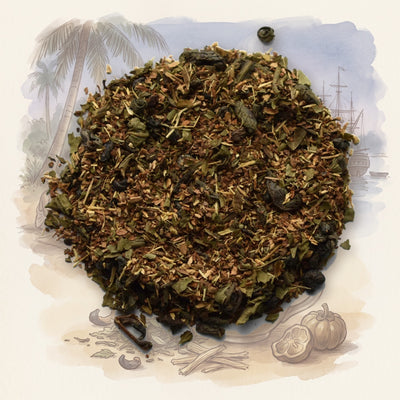
$9.00
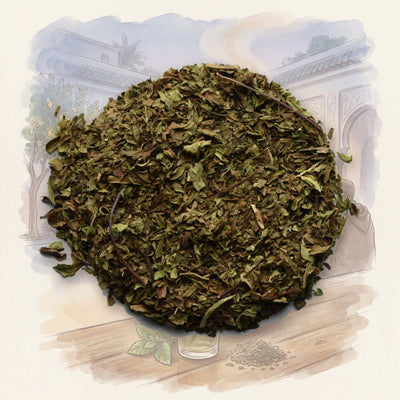
The Hangover, OrganicDetox support · Caffeine-free · Peppermint, ginger
☆☆☆☆☆
★★★★★
(3)
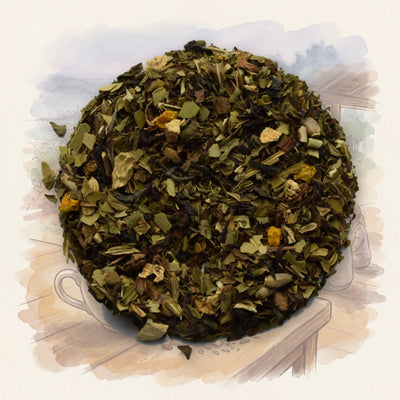
$9.00