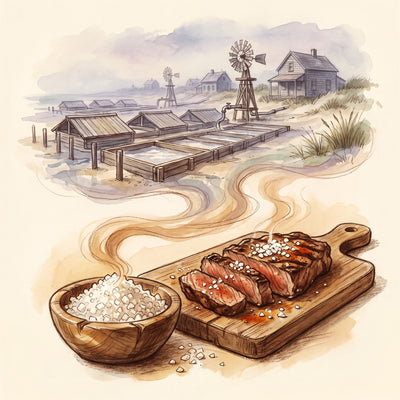
Dennis, on Cape Cod, in the summer of 1776. The colonies were at war and short of salt, which they needed to keep fish and meat, and boiling seawater ate too much firewood. John Sears built a wooden vat a hundred feet long and ten wide and let the sun do the work. The neighbours called it Sears' Folly. It gave eight bushels that first summer, and thirty the next once he had caulked it watertight.
He kept at it. In November 1778 he took a bilge pump off the wreck of the warship Somerset, and by 1785 a windmill was doing the pumping. Salt went from fifty cents a bushel to eight dollars by the end of the war. By 1832 the works around Dennis made about 250,000 bushels a year. Then New York's mined salt and the railroad undercut them, and the last vats came down in the 1890s.
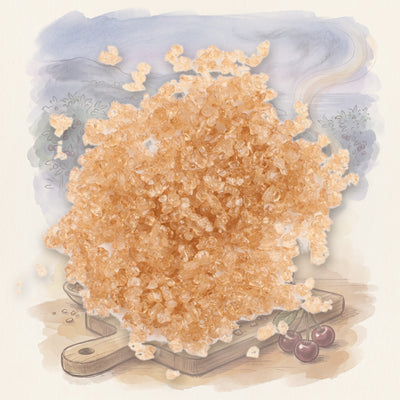
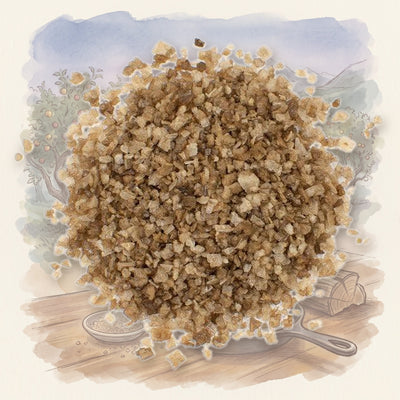
Salt and firewood have a longer marriage. Smoked salt is smoked over bark-free wood, alder, apple, hickory, mesquite or oak, and it is not the same thing as salt with a smoke flavouring stirred in. On the Danish island of Læsø the groundwater runs above fifteen per cent salt, and medieval salt-makers boiled it down in hundreds of wood-fired kilns until the island's forest was gone, sandstorms buried villages and the work was banned.
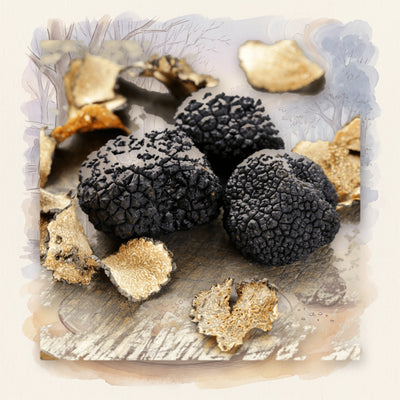
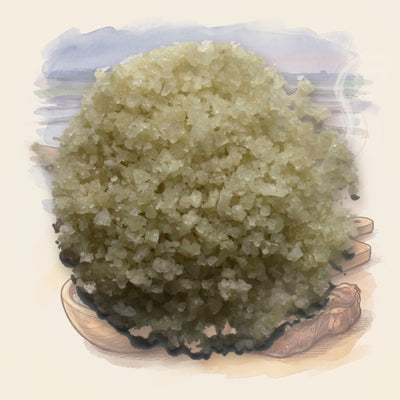
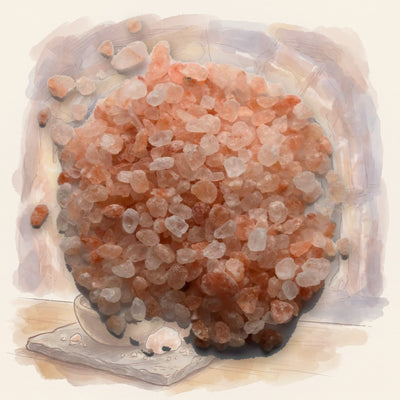
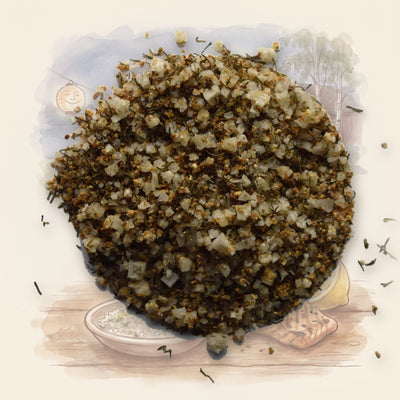
The flavoured end is young: truffle farming begins in 1808, when Joseph Talon of Apt planted seedlings from oaks that bore truffles. Grey Sea Salt, Coarse is sel gris, grey because it is raked off the clay floor of the pan. Sea Salt, Fine is the pinch bowl by the stove and Himalayan Sea Salt, Coarse the crystal for the table. Hickory Smoked Sea Salt is the loud one and Smoked Applewood Sea Salt the quiet one. Black Truffle Sea Salt and Lemon Dill Sea Salt go on at the table, not into the pan.