Best Teas for Beginners
Read its story →
London, 1657. Thomas Garway, a tobacconist and coffee-man, was the first in England to sell tea, at his house in Exchange Alley, at sixteen to fifty shillings the pound. On 25 September 1660 Samuel Pepys sent out for a cup of tee, a China drink, of which he had never drunk before. Every tea drinker starts where Pepys did.
Loose leaf was a decision somebody made. Tang-dynasty tea was boiled up with ginger, onions and spices, and later dynasties steeped it instead. In 1391 the Hongwu emperor stopped the making of pressed dragon-cake tea because of the burden it put on the people, and had only tea buds sent to court. Production moved to loose leaf, and by the end of the sixteenth century cake and powdered tea had gone from China.
Most of this shelf is one plant. Camellia sinensis is an evergreen shrub from the borderlands of southwestern China, northeast India and northern Myanmar, and black, green, white and oolong are its leaf handled four different ways. Rooibos and honeybush are not tea at all, but two shrubs of the South African Cape with no caffeine in them. Nearly every word for the drink is te, cha or chai: te came to Europe with the Dutch, cha earlier with the Portuguese out of Macao, and chai overland.
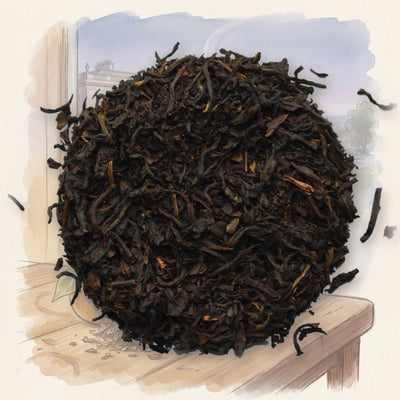
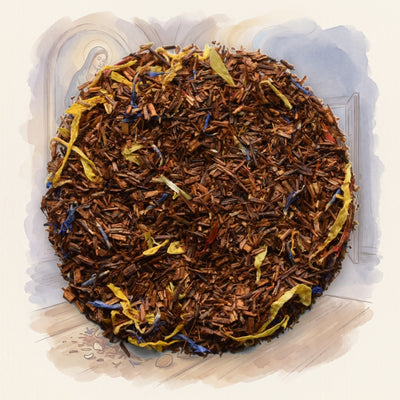
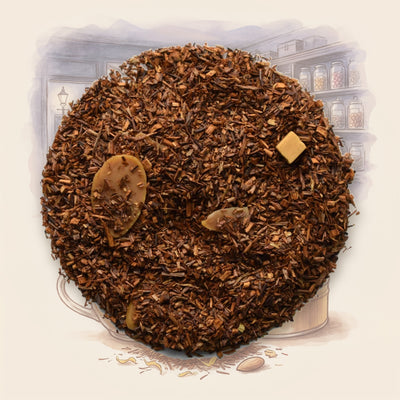
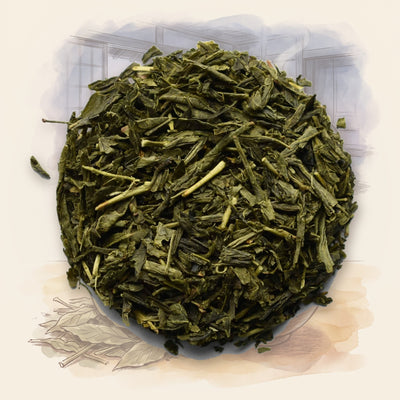
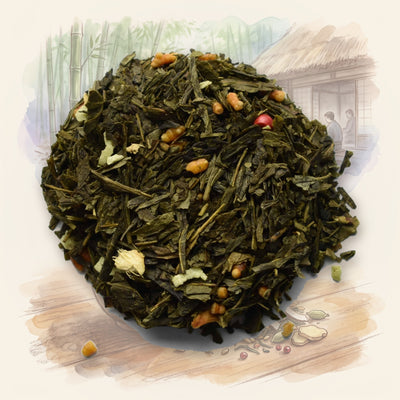
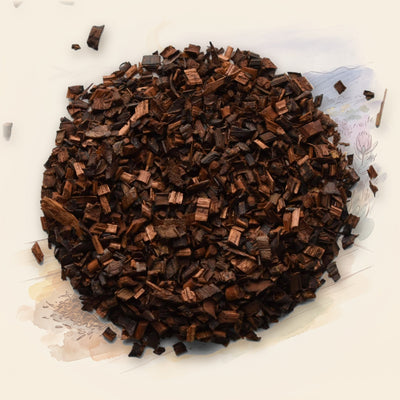
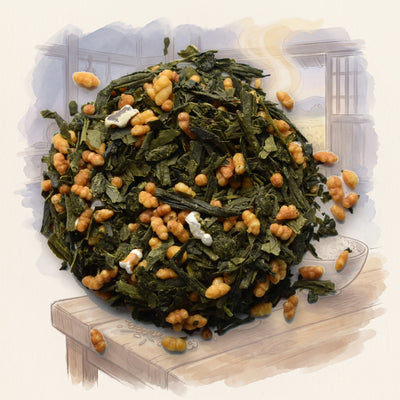
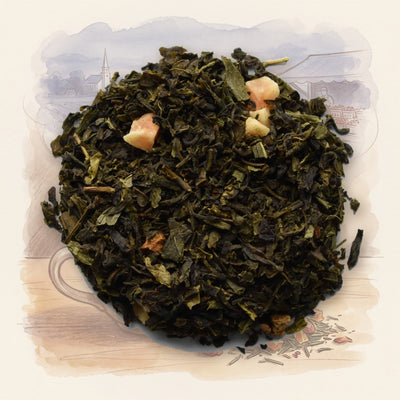
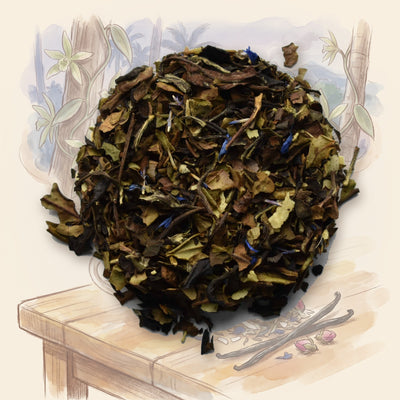
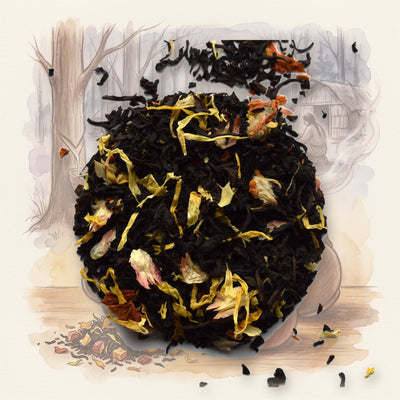
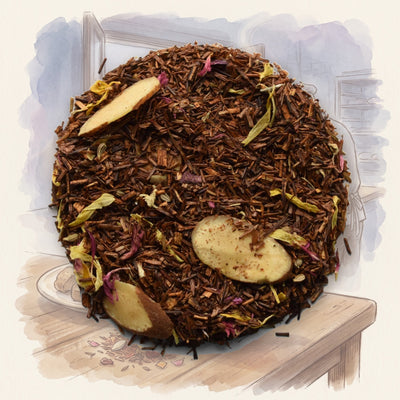
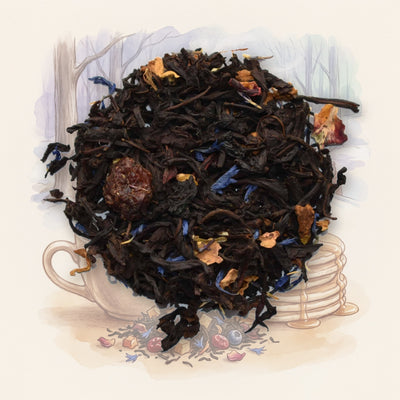
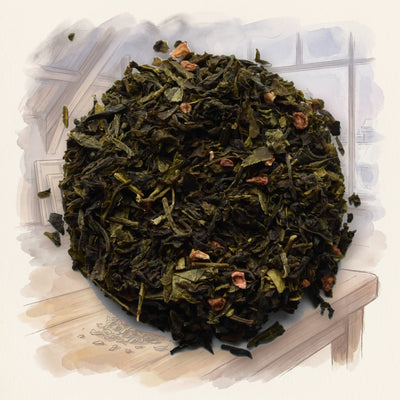
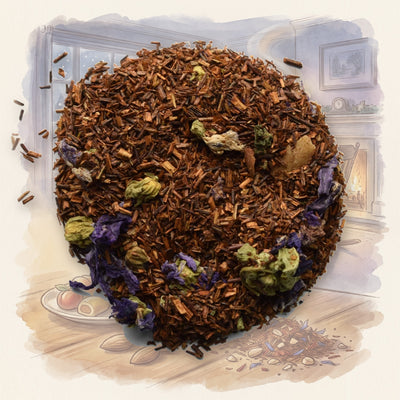
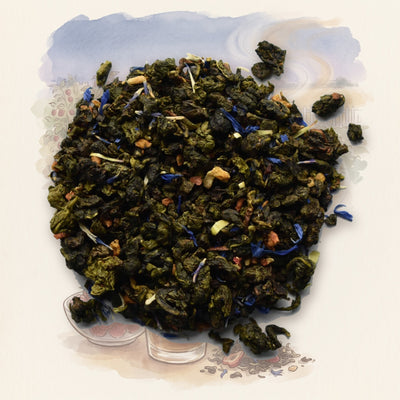
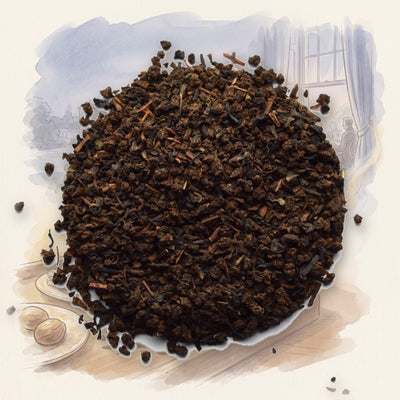
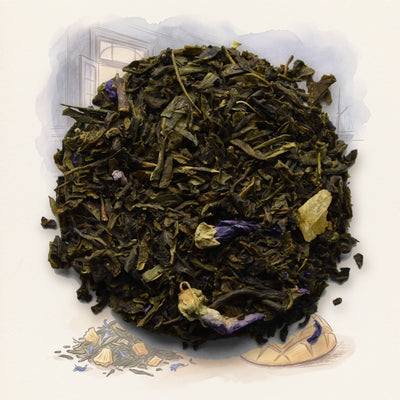
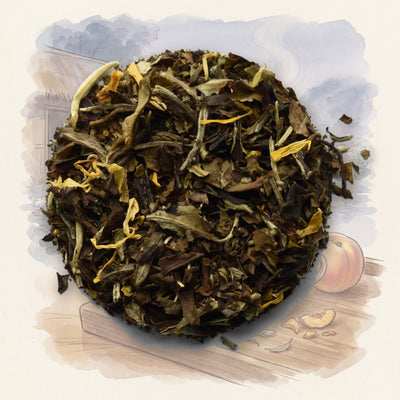
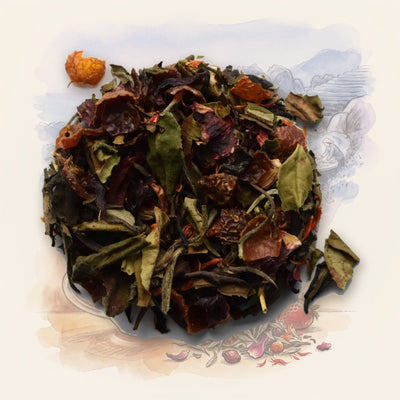
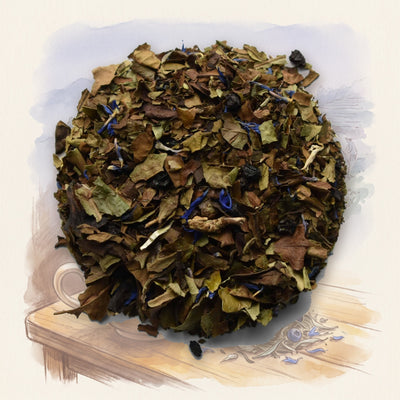
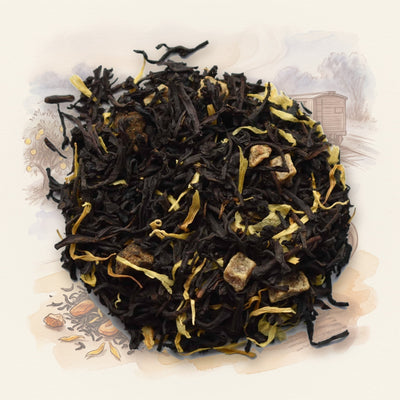
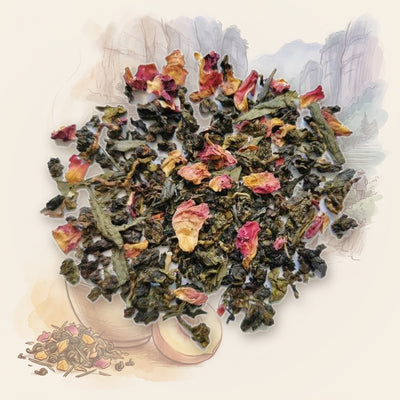
So start from what you already drink. English Breakfast, Organic is the pot for a coffee drinker, and Earl Grey, Organic is the same leaf with bergamot on it. Genmaicha, Organic is sencha with toasted rice and popcorn through it, nutty and hard to spoil. Honeybush, Organic comes up sweet with nothing added, and Peach White, Organic is the one for people who drink juice.
Results