


Detox & Cleanse Teas
Read its story
Results
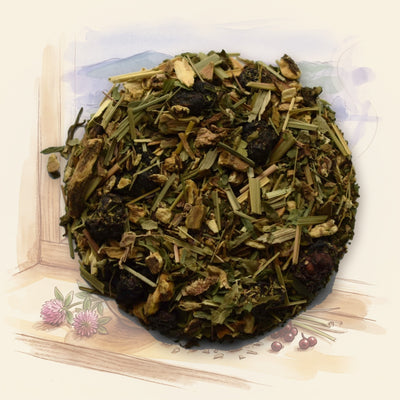
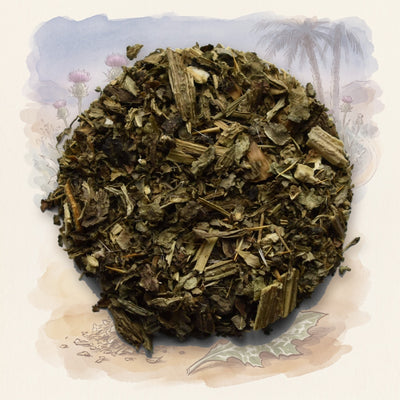
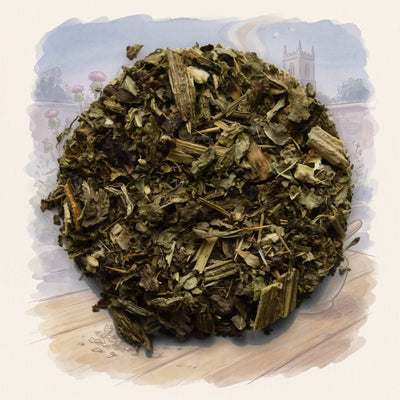
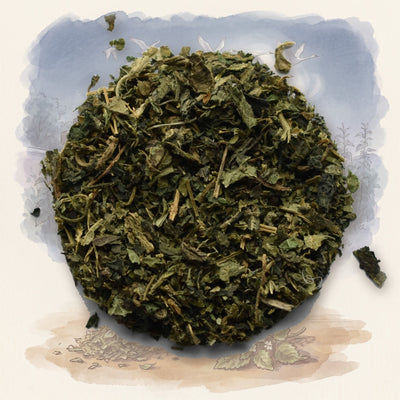
The reset cupboard.Dandelion, nettle, burdock and milk thistle are the herbs tradition reaches for when the body wants clearing out; peppermint and licorice keep the stomach agreeable while they work. Detox Tea combines them. A daily cup for a week does more than a pot once.
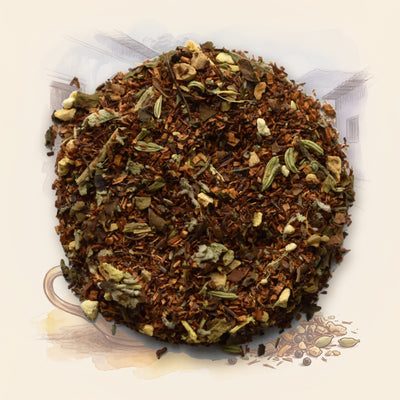
Ayurvedic Kapha Balance, OrganicEnergy & vitality · Caffeine-free · Herbal, warming
Sold out

$9.00

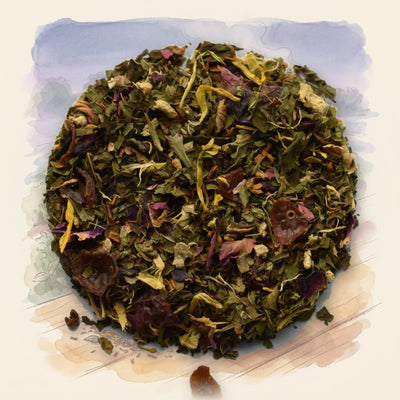
Ayurvedic Total Body, OrganicDaily wellness · Caffeine-free · Peppermint, herbal
☆☆☆☆☆
★★★★★
(2)
$13.00

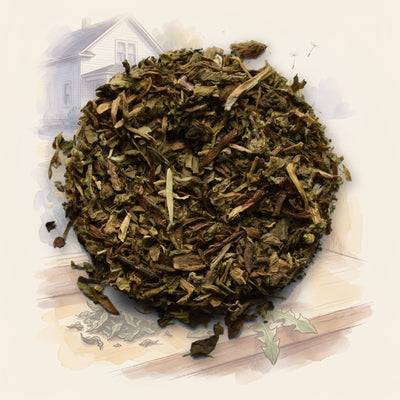
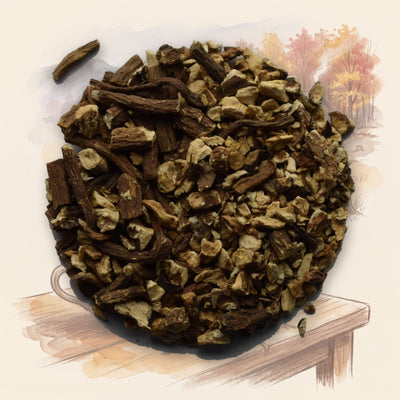
Detox Tea, OrganicGentle cleanse · Caffeine-free · Cleansing, herbal
Sold out
☆☆☆☆☆
★★★★★
(1)
$10.00
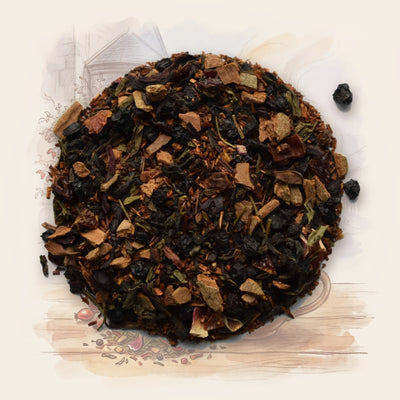
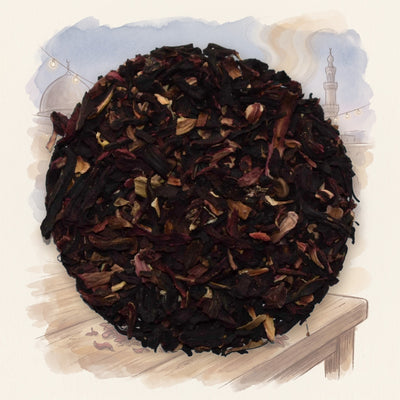
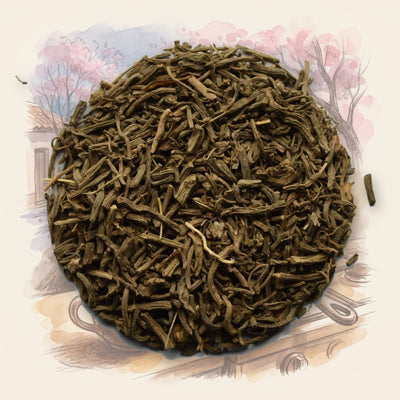

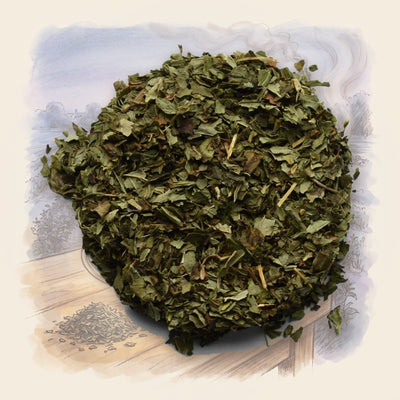
Peppermint, OrganicDigestive comfort · Caffeine-free · Cool, refreshing
☆☆☆☆☆
★★★★★
(1)
$10.00
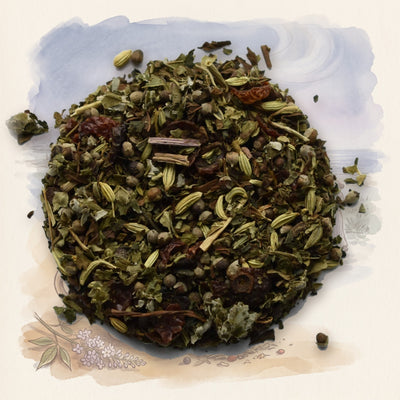
PMS Tea, OrganicWomen's wellness · Caffeine-free · Raspberry leaf, herbal
☆☆☆☆☆
★★★★★
(1)
$20.00
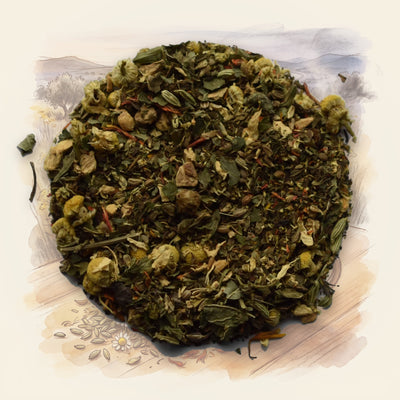
Rest and Digest, OrganicDigestive comfort · Caffeine-free · Anise, chamomile
Sold out
$10.00
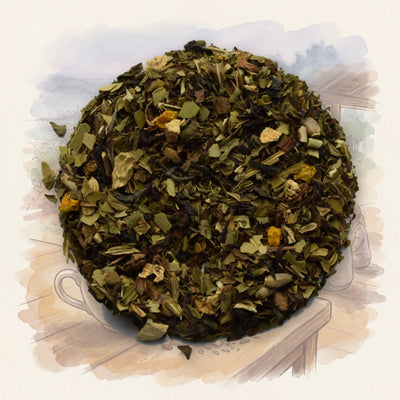
The Hangover, OrganicDetox support · Caffeine-free · Peppermint, ginger
☆☆☆☆☆
★★★★★
(3)
$9.00