


Herbal Teas for Mood
Read its story
Results
For the day that's sitting on you.Lemon balm and rose lift, lavender and passionflower settle, tulsi steadies over weeks rather than hours. PMS Tea and Hot Flash Mama are for the moods with a calendar. Pick by whether you need up, down, or level.
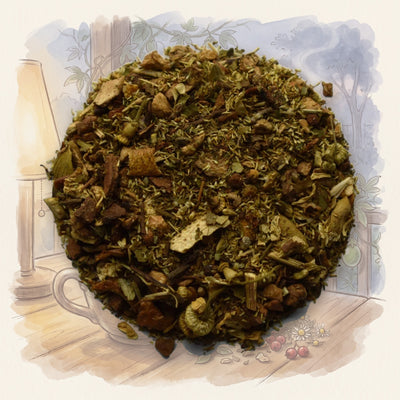

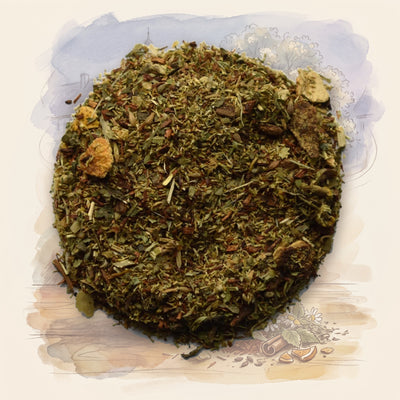
Hot Flash Mama, OrganicWomen's wellness · Caffeine-free · Raspberry leaf, herbal
☆☆☆☆☆
★★★★★
(1)
$9.00

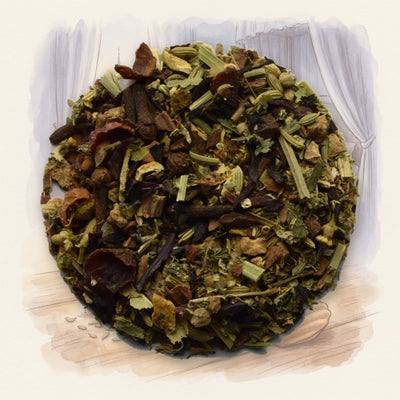

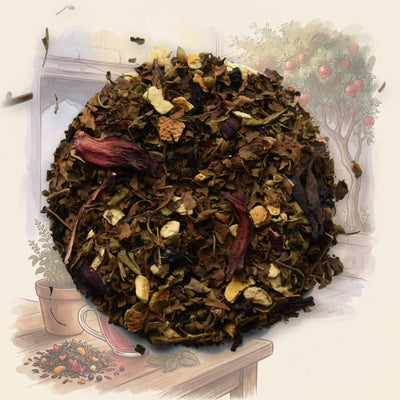
Ayurvedic Pitta Balance, OrganicAnti-inflammatory · Caffeine-free · Hibiscus, minty
Sold out

$9.00
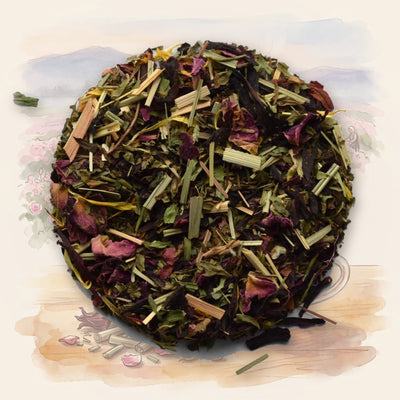
Ayurvedic Kapha Balance, OrganicEnergy & vitality · Caffeine-free · Herbal, warming
Sold out
$9.00
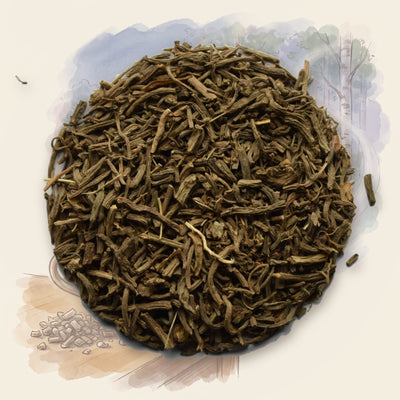
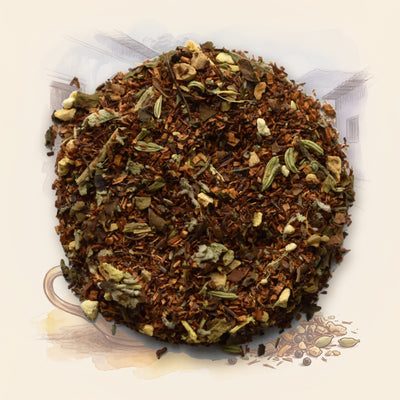
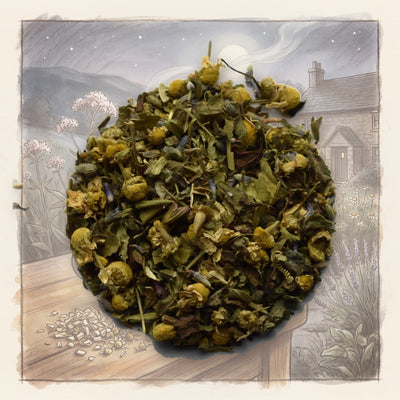
Sweet Dreams, OrganicSleep & relaxation · Caffeine-free · Valerian, chamomile
Sold out
☆☆☆☆☆
★★★★★
(1)
$15.00
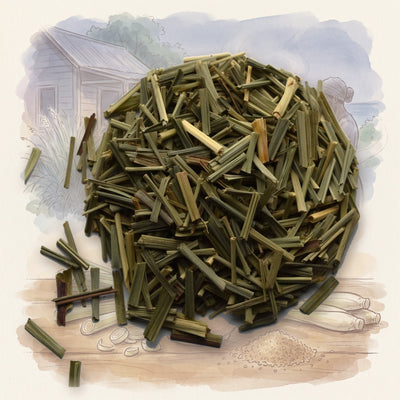
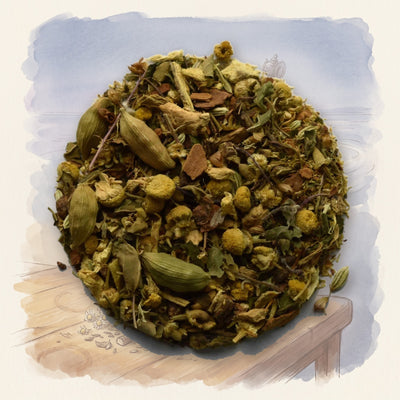
Ayurvedic Women's UmaWomen's wellness · Caffeine-free · Ginger, warming
☆☆☆☆☆
★★★★★
(1)
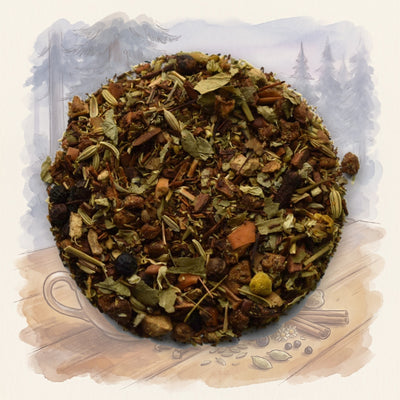
$9.00

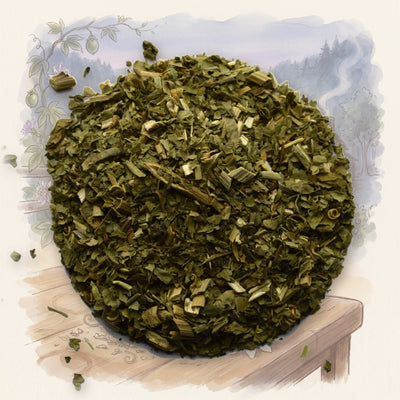
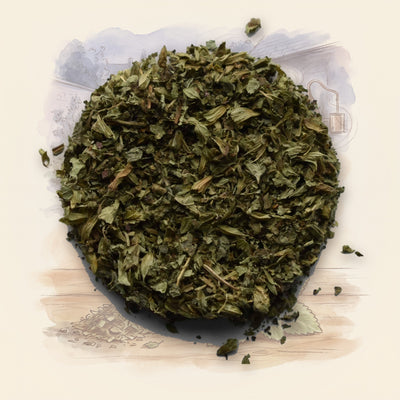
Ayurvedic Vata Balance, OrganicCalm & ease · Caffeine-free · Chamomile, herbal
Sold out
☆☆☆☆☆
★★★★★
(1)
$9.00
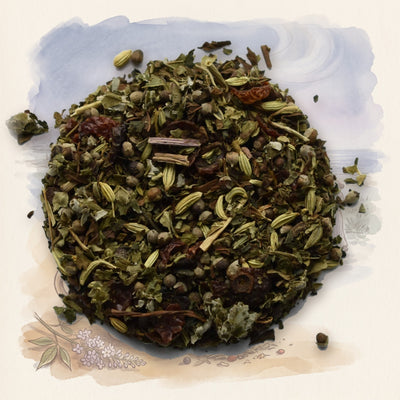
PMS Tea, OrganicWomen's wellness · Caffeine-free · Raspberry leaf, herbal
☆☆☆☆☆
★★★★★
(1)
$20.00