Galveston, 19 June 1865: freedom was announced in Texas two and a half years after the Emancipation Proclamation, and from 1866 the freedpeople kept the day every year. Barbecue was at the middle of it. Shut out of public grounds by segregation, they bought their own. On 10 July 1872 church leaders in Houston, the Reverend Jack Yates among them, paid $800 for ten acres for Emancipation Park, and for decades it was the only park in the city open to them.
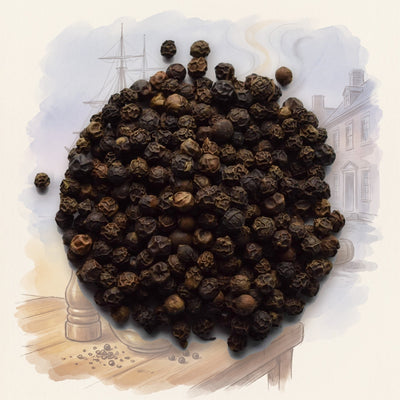
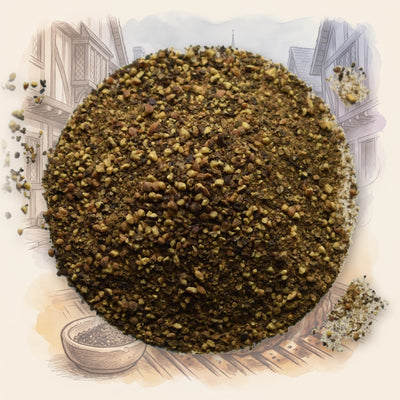
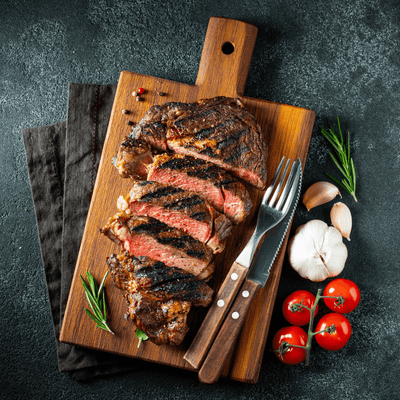
Texas barbecue is four traditions. East Texas is the Black Southern one, pork and hickory and a sweet tomato sauce, grown in the part of the state with the highest share of enslaved people. Central Texas came out of German and Czech meat markets, where butchers smoked what had not sold by the end of the week and ended up selling barbecue on red butcher paper. The purist rub there is salt and pepper, and post oak does the rest. South Texas cooks barbacoa and serves it in flour tortillas. West Texas grills hot and direct over mesquite.
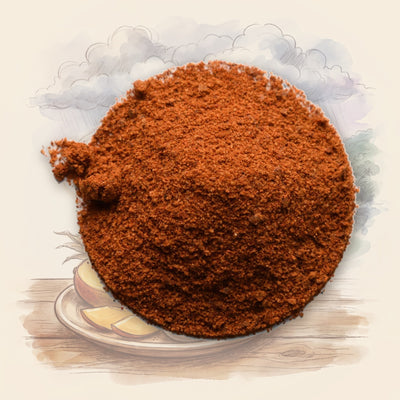
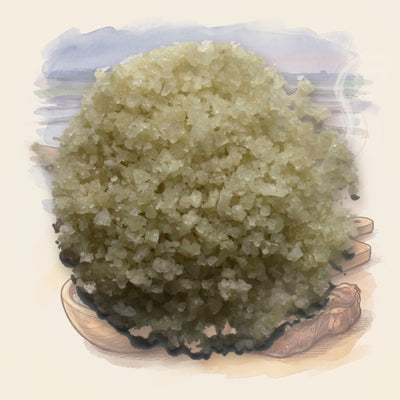
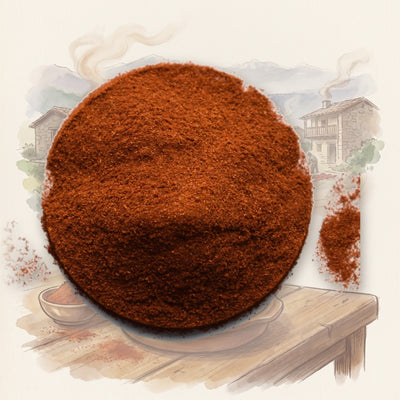
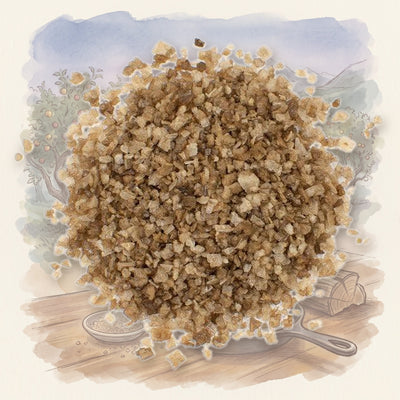
That mesquite is a ranching accident: fire and buffalo kept the brush down until cattle herds spread the seed across the plains. Smoke reaches a jar two ways. Smoked salt is cold-smoked over bark-free wood, alder, apple, hickory, mesquite or oak. Smoked paprika comes from La Vera in western Spain, where red peppers lie over slow oak fires for ten to fifteen days, turned by hand each day.
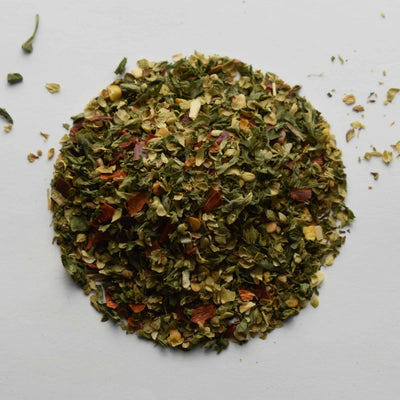
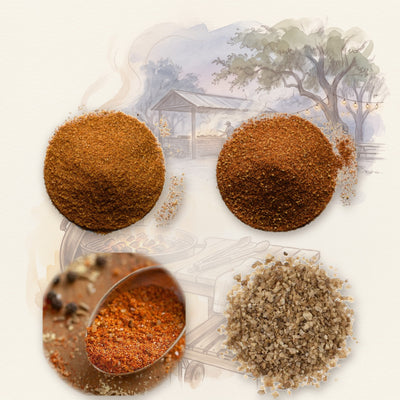
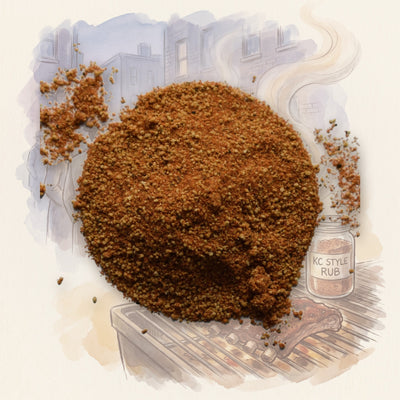
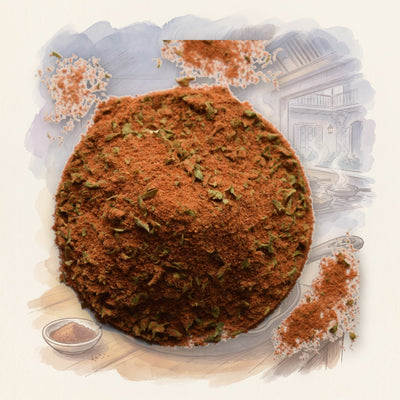
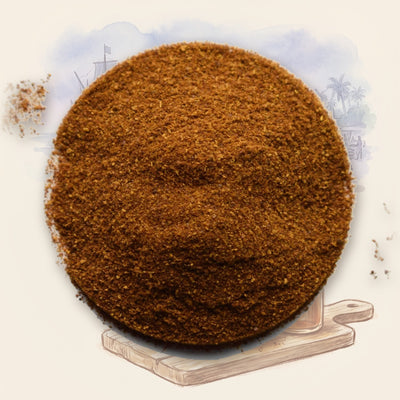
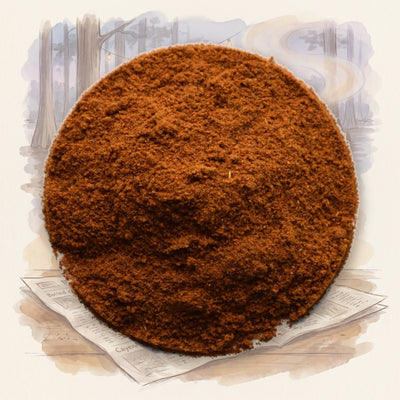
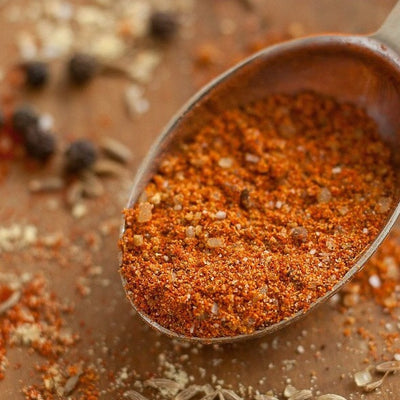
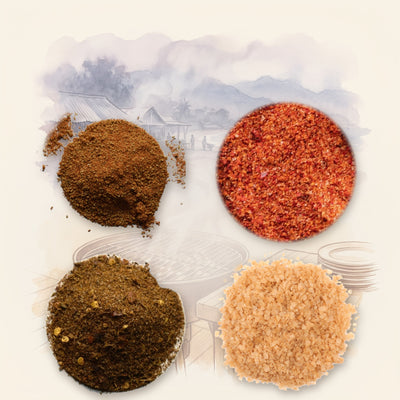
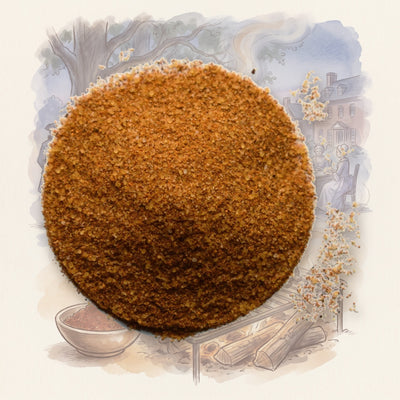
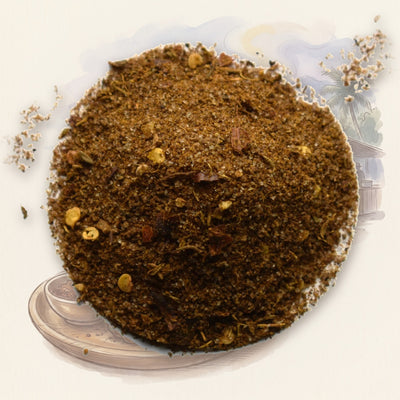
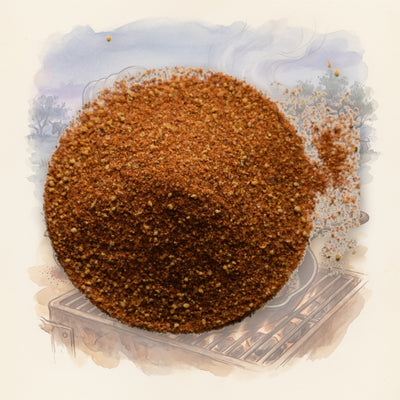
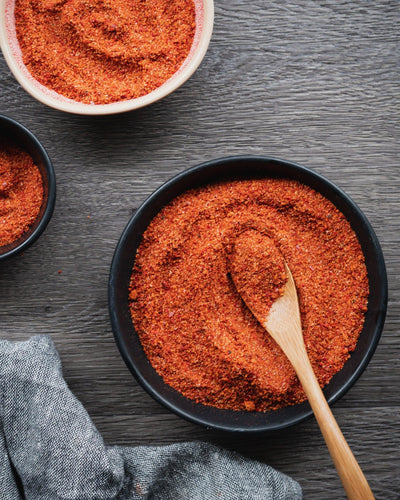
Texas BBQ is the sweet, hot, caramelised bark, chile and demerara sugar over cumin and mustard. Hickory BBQ Seasoning puts the smokehouse in the jar, and Chipotle BBQ Seasoning brings its smoke off a dried, smoked jalapeno. Hickory Smoked Sea Salt is the heavy finishing pinch, Smoked Applewood Sea Salt the light one. Mesquite Blend is the west of the state, and Paprika, Smoked is the colour under most of them.