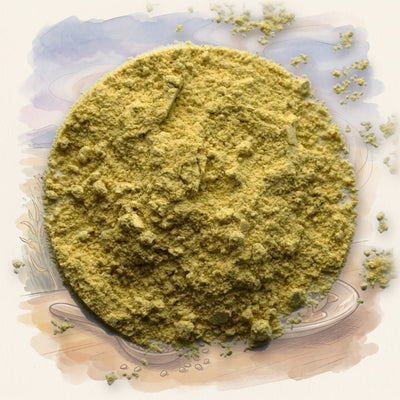
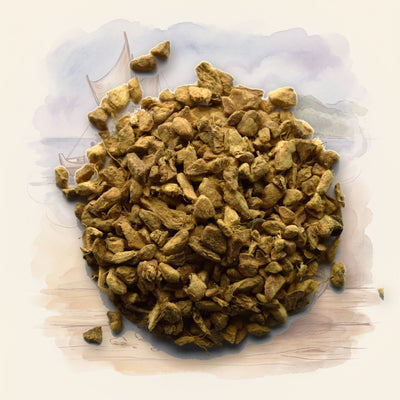
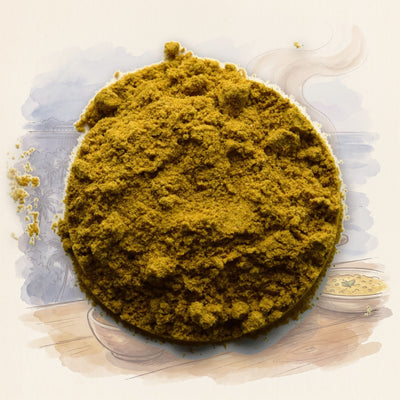
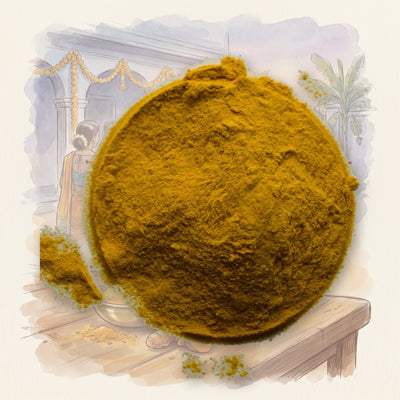
At Farmana, a Harappan village in what is now Haryana, turmeric starch was found in cooking pots and in the dental calculus of cattle, from somewhere between 2600 and 2200 BCE. The spice box is that old. Sanskrit keeps at least fifty-three names for turmeric alone, and medieval Europe, which could not grow it, called it Indian saffron.
Around 1500, at Mandu in the Malwa Sultanate, two sultans had a Persian book of recipes, perfumes and remedies that calls for rosewater and cardamom, cloves, dried ginger, coriander and saffron. Its paintings show the cooking done by enslaved women from South Asia, Ethiopia and Khorasan. The manuscript passed to Bijapur, then to Tipu Sultan, and the East India Company carried it off after Seringapatam fell in 1799. The Mughals brought Persian and Central Asian food north in the same century, the tandoor and the yoghurt marinade among it.
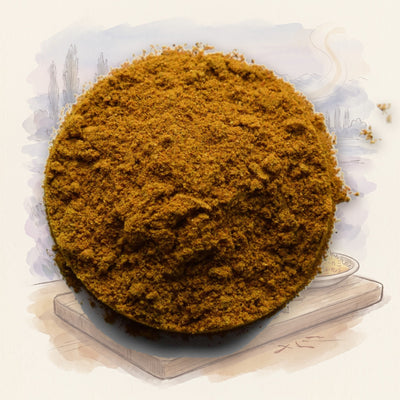
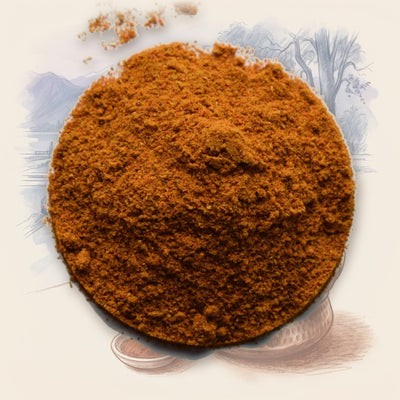
Curry is a Tamil word, kari, for a spiced dish eaten with rice, and a powder is not how it was ever made at home, where spices are ground fresh for each pot. The jar is British. Hannah Glasse printed the first curry recipe in English in 1747, and turmeric and ginger came in with her fourth edition of 1751. In 1885 an army colonel writing from Madras complained that London grocers were cutting the real thing with arrowroot and colouring it with saffron.
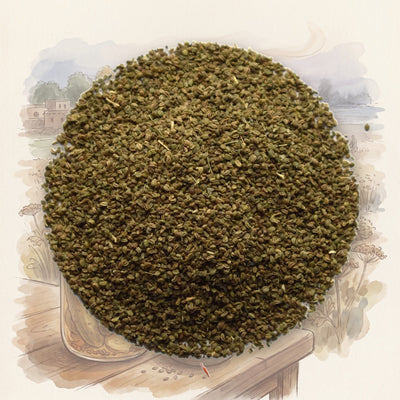
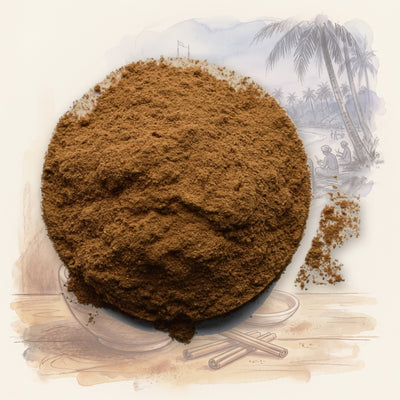
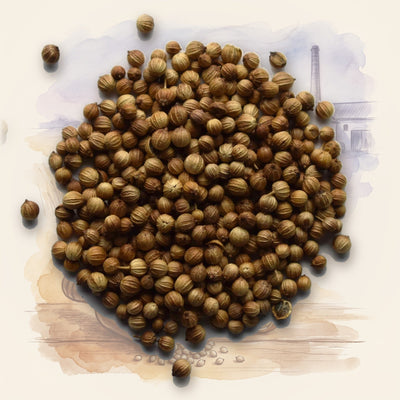
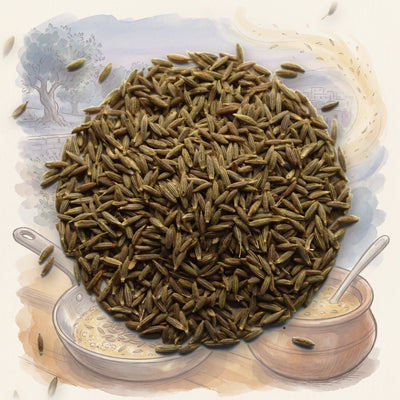
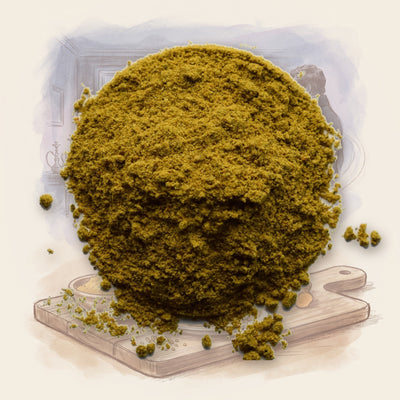
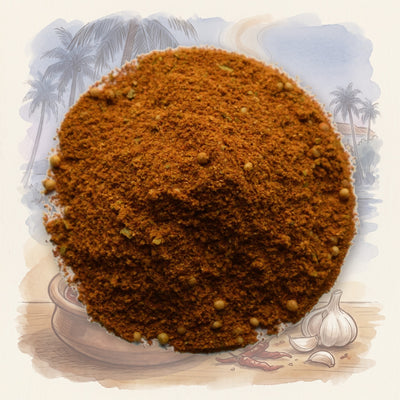
Cumin Seed, Whole, Coriander Seed, Whole and Mustard Seed, Whole go into hot oil at the start of a dish, and Garam Masala is stirred in at the end, off the heat; its name means the warm spices. Kashmiri Saffron Curry reaches back to the valley the emperors summered in, Vindaloo Curry Powder sits at the hot end of a British curry-house menu, and Cinnamon, Ground, Sri Lankan True Ceylon, Organic is the soft papery bark three European empires held an island for.