A dry valley in Puebla, thorny scrub and blue mountains around the rim, holds the oldest chile remains anyone has dug up. A study published in 2014 put species modelling, historical linguistics, genetics and archaeobotany together, and all four pointed at central-east Mexico. Nobody has directly dated the remains, so the honest answer is thousands of years and not a figure.
Columbus's crew called the fruits pimientos because they burned the way black pepper did, and the physician on his second voyage took the first of them to Spain in 1494. Within a hundred years Spanish and Portuguese ships had carried them to Goa, the Philippines and the Balkans, down the same lines that conquest and trade ran on. Poblano means from Puebla; let the pod ripen and dry and it becomes an ancho, wide. Pasilla is little raisin, for the black wrinkled skin of a dried chilaca.
Mole is older than the convent story told about it. Mōlli is the Nahuatl word for a sauce, something ground, and Sahagún recorded Indigenous sauces served with fish, game and vegetables long before nuns in Puebla were said to have ground chiles and a little chocolate over an old turkey. At a Puebla heritage congress in 2004 researchers gave mole a title: the first American dish of global reach, which is a plain way of saying the conquest is in the recipe.
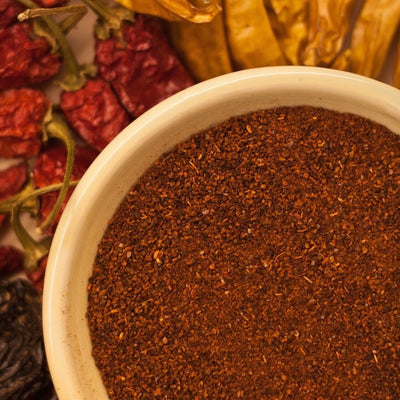
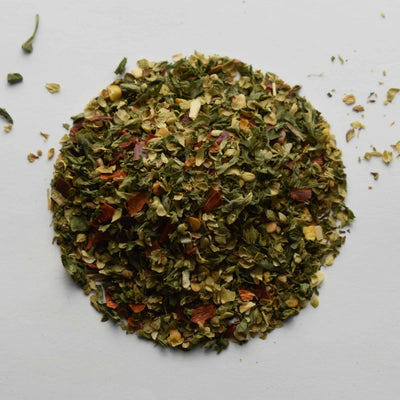
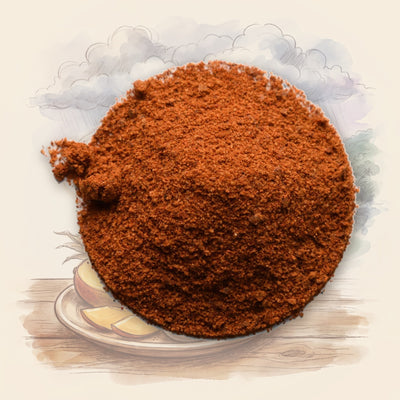
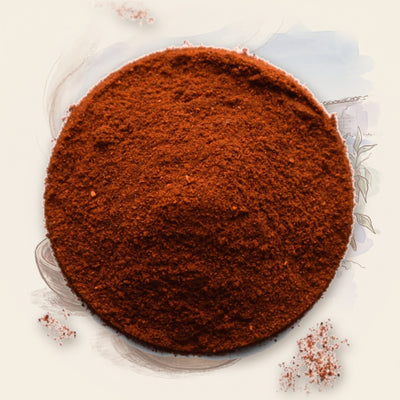
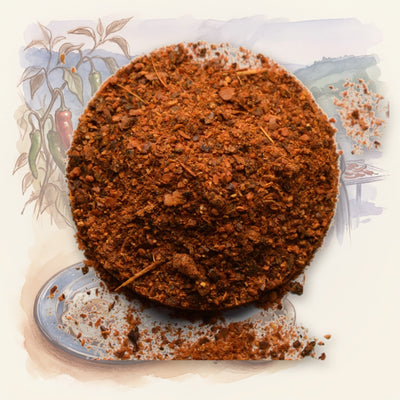
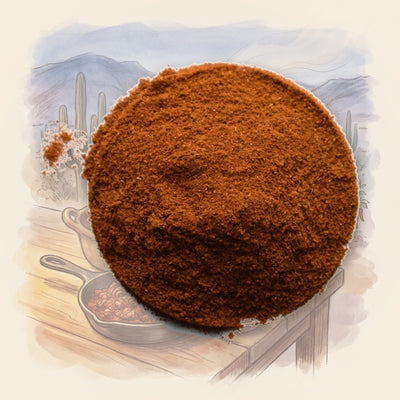
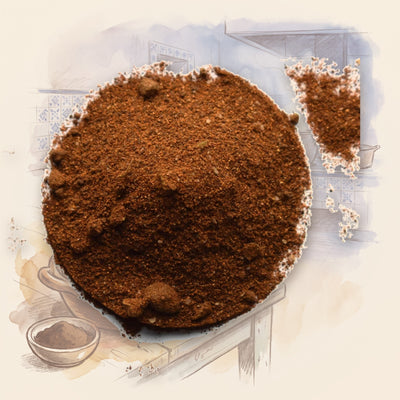
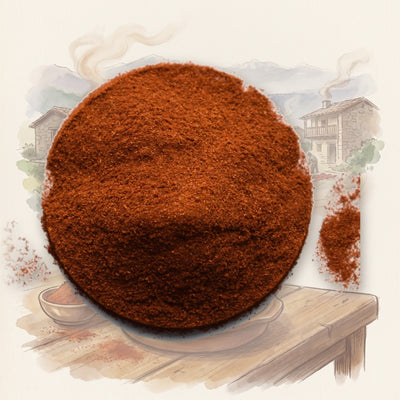
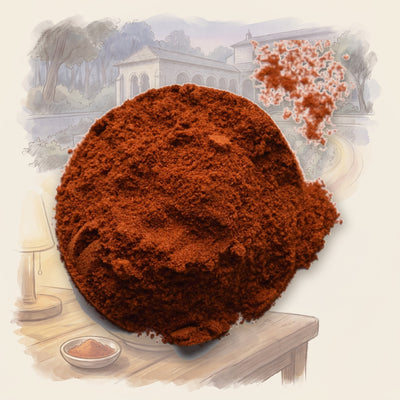
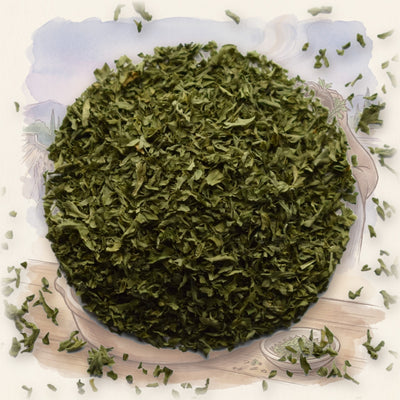
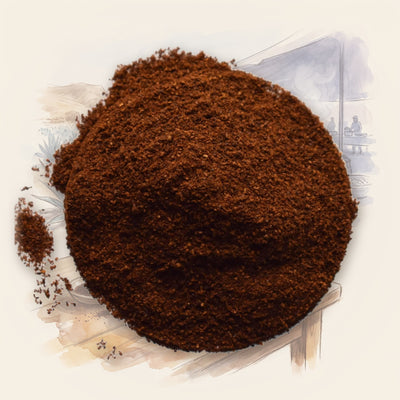
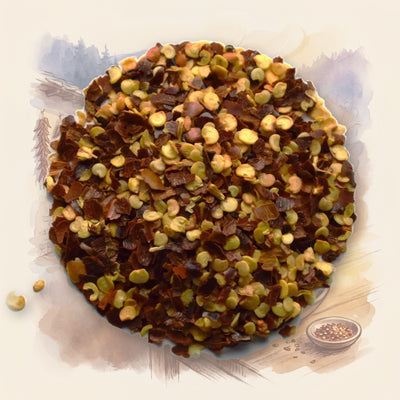
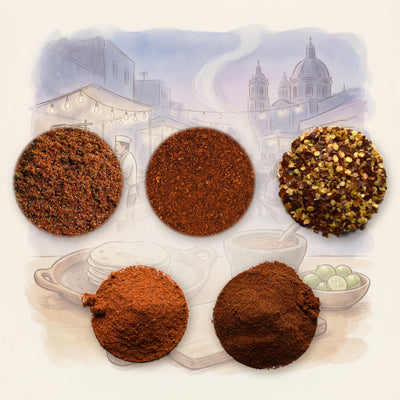
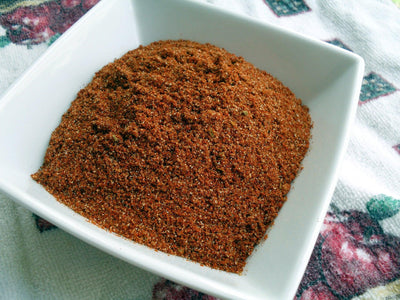
Ancho Chili Powder is the poblano dried wide, with raisin and a little cocoa in it, and Pasilla Chile Powder is the little raisin of the name. Guajillo Chili Powder is the thinner, sharper pod beside them. Mexican Mole Blend is a dry stand-in for a paste a village kitchen grinds for hours. Oregano, Mexican is a verbena rather than an oregano, and Merkén Chile Blend carries Mapuche wood smoke from La Araucanía, where goat's-horn pods are smoked over a fire and ground with salt, coriander and cumin.