-
Cinnamon, Ground, Sri Lankan True Ceylon, Organic
Regular price From $9.99 CADRegular priceCinnamon, Ground, Sri Lankan True Ceylon, Organic
Regular price From $9.99 CADRegular priceCinnamon, Ground, Sri Lankan True Ceylon, Organic
Regular price From $9.99 CADRegular price -
Cumin Seed, Ground
Regular price From $7.99 CADRegular priceCumin Seed, Ground
Regular price From $7.99 CADRegular priceCumin Seed, Ground
Regular price From $7.99 CADRegular price -

 Sold out
Garam Masala
Regular price From $9.99 CADRegular priceGaram Masala
Regular price From $9.99 CADRegular priceGaram Masala
Regular price From $9.99 CADRegular price -
Peppercorns, Black
Regular price From $6.99 CADRegular pricePeppercorns, Black
Regular price From $6.99 CADRegular pricePeppercorns, Black
Regular price From $6.99 CADRegular price -

 Sold out
Kashmiri Saffron Curry
Regular price From $15.99 CADRegular priceKashmiri Saffron Curry
Regular price From $15.99 CADRegular priceKashmiri Saffron Curry
Regular price From $15.99 CADRegular price -

 Sold out
Tandoori Masala
Regular price From $9.99 CADRegular priceTandoori Masala
Regular price From $9.99 CADRegular priceTandoori Masala
Regular price From $9.99 CADRegular price -
Cardamom Seed, Ground
Regular price From $7.99 CADRegular priceCardamom Seed, Ground
Regular price From $7.99 CADRegular priceCardamom Seed, Ground
Regular price From $7.99 CADRegular price -
Pepper, Black, Ground
Regular price From $6.99 CADRegular pricePepper, Black, Ground
Regular price From $6.99 CADRegular pricePepper, Black, Ground
Regular price From $6.99 CADRegular price -
Ginger Root, Organic, Ground
Regular price From $6.99 CADRegular priceGinger Root, Organic, Ground
Regular price From $6.99 CADRegular priceGinger Root, Organic, Ground
Regular price From $6.99 CADRegular price -
Madras Curry Powder
Regular price From $10.99 CADRegular priceMadras Curry Powder
Regular price From $10.99 CADRegular priceMadras Curry Powder
Regular price From $10.99 CADRegular price -
Vindaloo Curry Powder
Regular price From $10.99 CADRegular priceVindaloo Curry Powder
Regular price From $10.99 CADRegular priceVindaloo Curry Powder
Regular price From $10.99 CADRegular price -
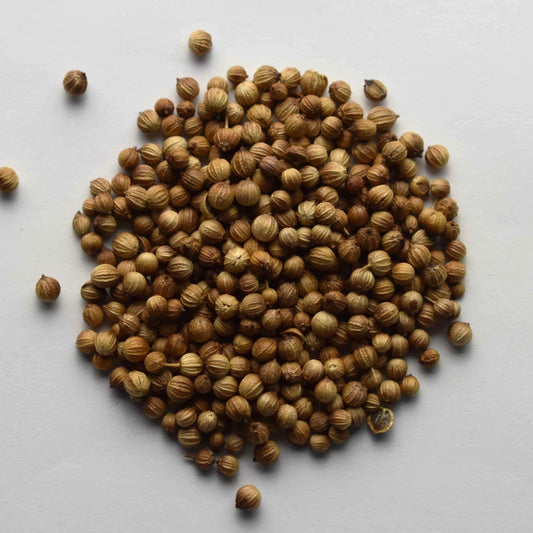
Coriander Seed, Ground
Regular price From $6.99 CADRegular priceCoriander Seed, Ground
Regular price From $6.99 CADRegular priceCoriander Seed, Ground
Regular price From $6.99 CADRegular price -

 Sold out
Vadouvan French Masala
Regular price From $10.99 CADRegular priceVadouvan French Masala
Regular price From $10.99 CADRegular priceVadouvan French Masala
Regular price From $10.99 CADRegular price -

 Sold out
Curry Powder, Mild, Organic
Regular price From $15.99 CADRegular priceCurry Powder, Mild, Organic
Regular price From $15.99 CADRegular priceCurry Powder, Mild, Organic
Regular price From $15.99 CADRegular price -
Fennel Seed, Ground
Regular price From $5.99 CADRegular priceFennel Seed, Ground
Regular price From $5.99 CADRegular priceFennel Seed, Ground
Regular price From $5.99 CADRegular price -
Rogan Josh Curry Powder
Regular price From $10.99 CADRegular priceRogan Josh Curry Powder
Regular price From $10.99 CADRegular priceRogan Josh Curry Powder
Regular price From $10.99 CADRegular price -
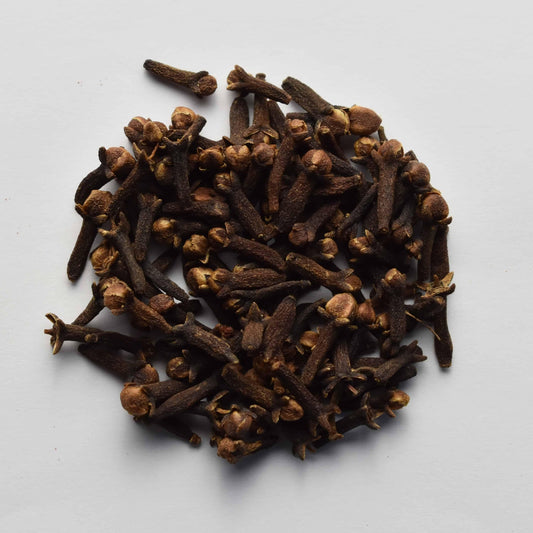
Cloves, Ground
Regular price From $6.99 CADRegular priceCloves, Ground
Regular price From $6.99 CADRegular priceCloves, Ground
Regular price From $6.99 CADRegular price -
Mustard Powder
Regular price From $6.99 CADRegular priceMustard Powder
Regular price From $6.99 CADRegular priceMustard Powder
Regular price From $6.99 CADRegular price -
Himalayan Sea Salt, Fine
Regular price From $5.99 CADRegular priceHimalayan Sea Salt, Fine
Regular price From $5.99 CADRegular priceHimalayan Sea Salt, Fine
Regular price From $5.99 CADRegular price -
Saffron, Spanish
Regular price $18.99 CADRegular price -

 Sold out
Cayenne Pepper, Hot
Regular price From $6.99 CADRegular priceCayenne Pepper, Hot
Regular price From $6.99 CADRegular priceCayenne Pepper, Hot
Regular price From $6.99 CADRegular price -
Fenugreek, Ground
Regular price From $5.99 CADRegular priceFenugreek, Ground
Regular price From $5.99 CADRegular priceFenugreek, Ground
Regular price From $5.99 CADRegular price -

 Sold out
Cayenne Pepper, Mild
Regular price From $5.99 CADRegular priceCayenne Pepper, Mild
Regular price From $5.99 CADRegular priceCayenne Pepper, Mild
Regular price From $5.99 CADRegular price -
Himalayan Sea Salt, Coarse
Regular price From $7.99 CADRegular priceHimalayan Sea Salt, Coarse
Regular price From $7.99 CADRegular priceHimalayan Sea Salt, Coarse
Regular price From $7.99 CADRegular price -
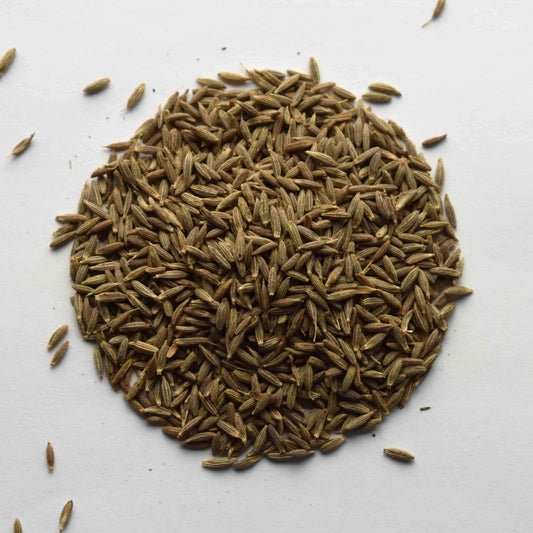
Cumin Seed, Whole
Regular price From $7.99 CADRegular priceCumin Seed, Whole
Regular price From $7.99 CADRegular priceCumin Seed, Whole
Regular price From $7.99 CADRegular price -
Cinnamon, Sticks, Indonesian Korintje
Regular price $6.99 CADRegular price