Caribbean Spices & Seasonings
Read its story →
Off Hispaniola on 15 January 1493, Columbus wrote in his journal that the island had plenty of ají, the pepper of the people already living there, and that it was worth more than the pepper he had sailed to find. The crop was the Taíno's. His fleet's physician, Diego Álvarez Chanca, wrote to Seville the next year describing the plants, animals and peoples of the Americas, and how the Taíno seasoned fish and game with it.
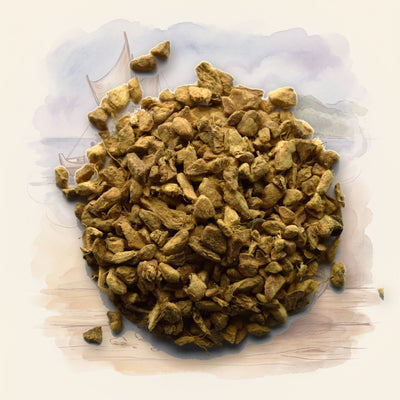
The same voyages began the tribute Columbus levied on the Taíno, and the encomienda's forced labour drove them to collapse. Ginger went the other way. Of the four spices the Spanish Crown had smuggled into the Caribbean in the sixteenth century it was the only one that took, and by 1600 it had passed sugar as Hispaniola's leading export.
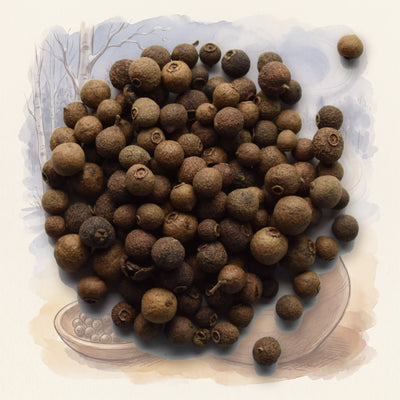
Allspice is native across the Greater Antilles, and in Jamaica it is called pimento. In 1516 Gonzalo Fernández de Oviedo recorded the island's people roasting meat and fish on a barbacoa with chile and pimento on them. England took the island from Spain in 1655; the people the fleeing colonists freed went into the interior as the Maroons, kept that method and cooked wild hogs over pimento wood. Indenture followed slavery on the same estates, and the first ship landed 261 people from northern India at Old Harbour Bay on 10 May 1845.
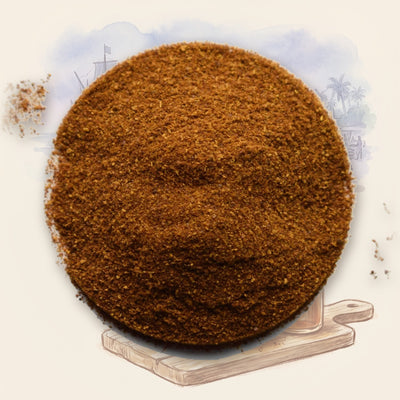
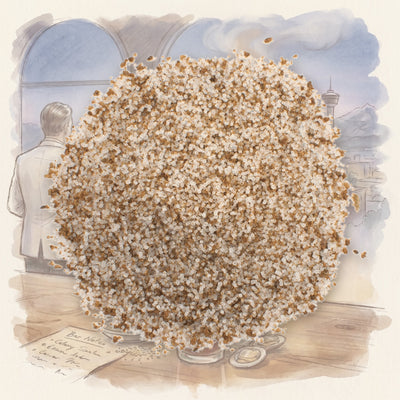
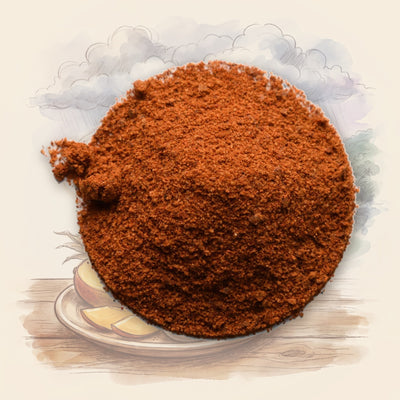
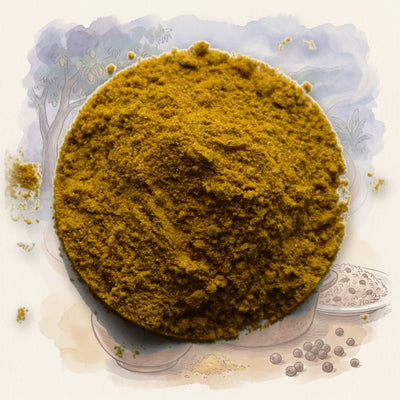
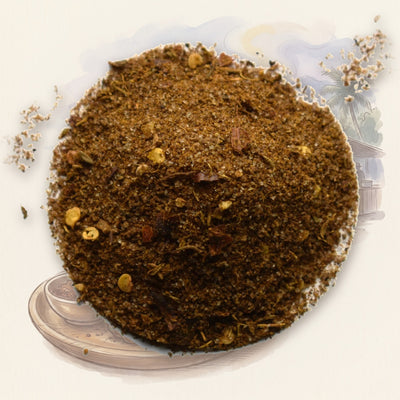
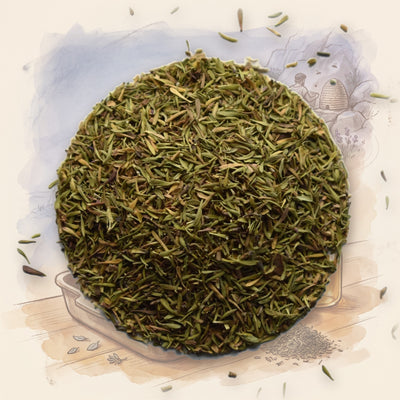
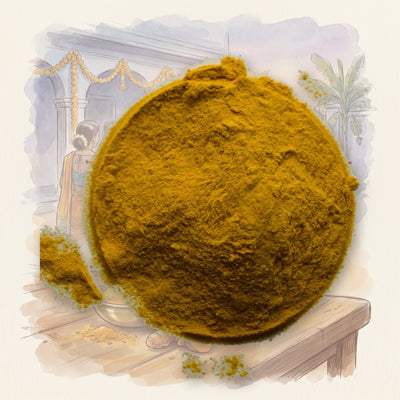
So the shelf is mostly a marinade. Jamaican Jerk carries the allspice, thyme and chile of a jerk rub, and Allspice, Whole is the pimento berry on its own. The Spanish took it for a peppercorn, and the name stuck. Thyme goes in the blender with the garlic and the onion, Cayenne Pepper, Hot stands in when there is no Scotch bonnet, and Jamaican Curry Powder is the pot that arrived with the indentured.
Results