


Herbal Teas for Digestion & Upset Stomach
Read its story
Results
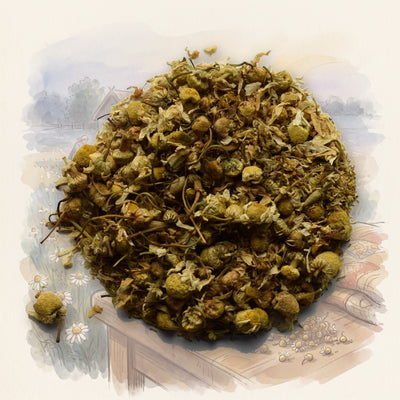
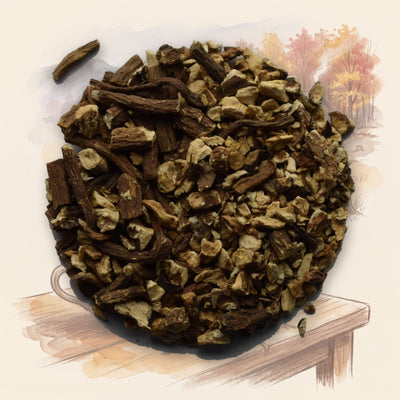
When your stomach's the problem.Mint for the bloat, ginger for the queasy, chamomile and lemon balm for the knot that's really stress, marshmallow and licorice root to coat. Rest and Digest does the combining. Brew covered so the oils stay in the cup.
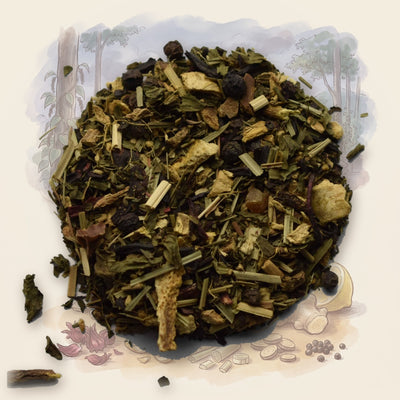
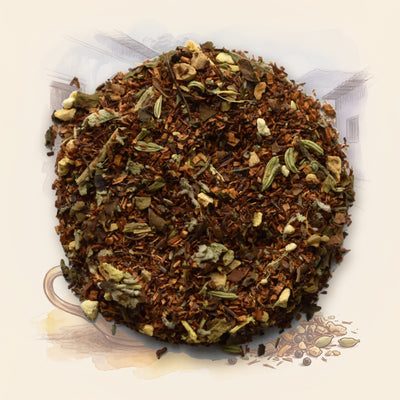
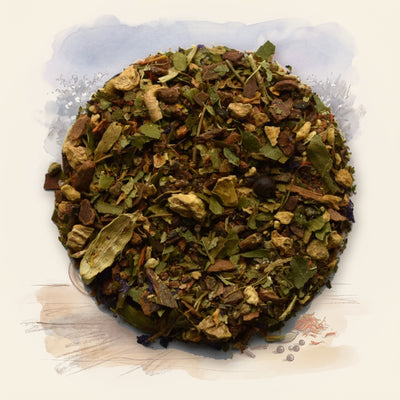
Ayurvedic Kapha Balance, OrganicEnergy & vitality · Caffeine-free · Herbal, warming
Sold out

$9.00

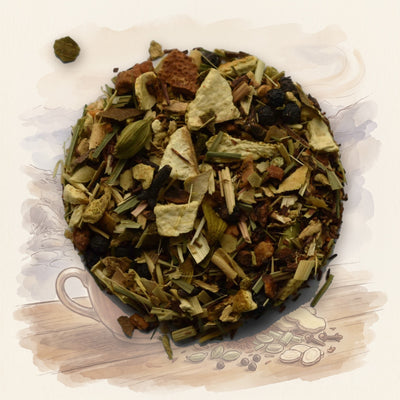
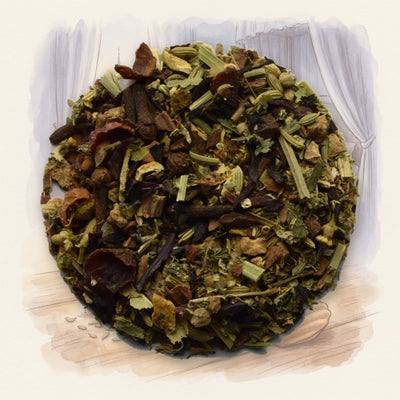
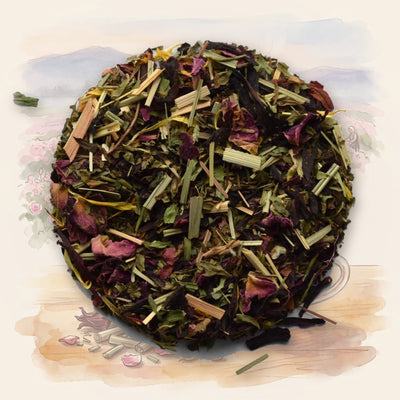
Ayurvedic Pitta Balance, OrganicAnti-inflammatory · Caffeine-free · Hibiscus, minty
Sold out
$9.00
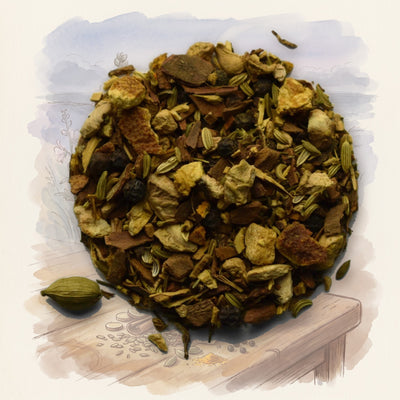
Ayurvedic Throat CoatSore throat relief · Caffeine-free · Fennel, warming
☆☆☆☆☆
★★★★★
(3)
$9.00
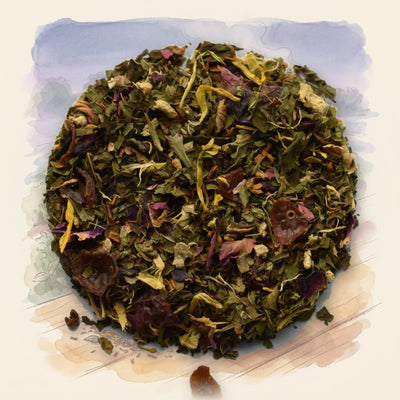
Ayurvedic Total Body, OrganicDaily wellness · Caffeine-free · Peppermint, herbal
☆☆☆☆☆
★★★★★
(2)
$13.00
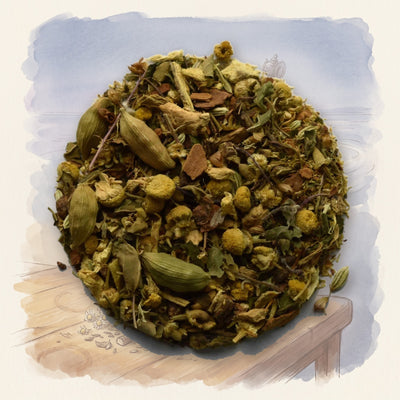
Ayurvedic Vata Balance, OrganicCalm & ease · Caffeine-free · Chamomile, herbal
Sold out
☆☆☆☆☆
★★★★★
(1)
$9.00
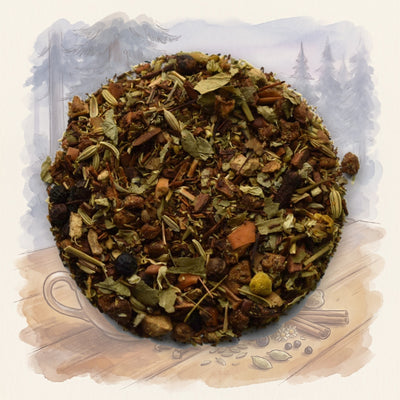
Ayurvedic Women's UmaWomen's wellness · Caffeine-free · Ginger, warming
☆☆☆☆☆
★★★★★
(1)
$9.00

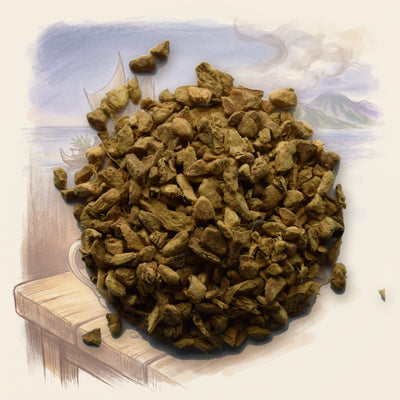

Immune Boost, OrganicImmune defense · Caffeine-free · Ginger, minty
☆☆☆☆☆
★★★★★
(1)

$11.00

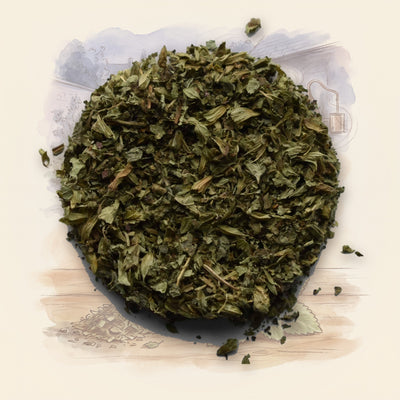



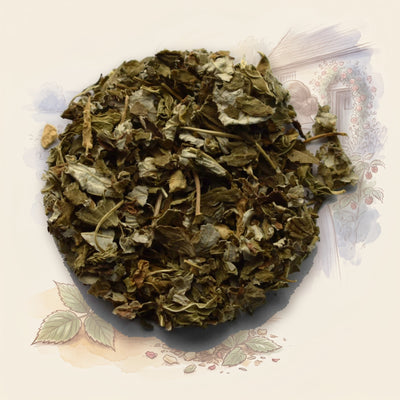
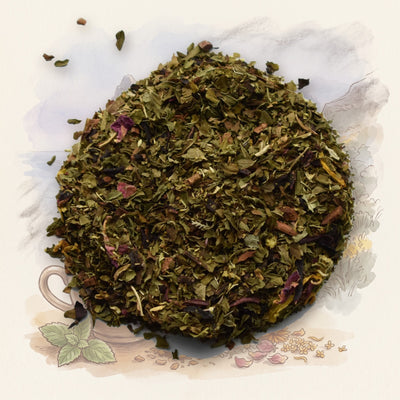
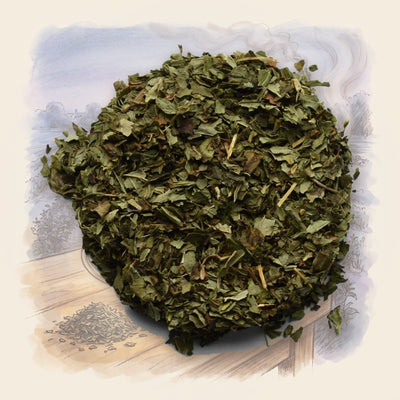
Peppermint, OrganicDigestive comfort · Caffeine-free · Cool, refreshing
☆☆☆☆☆
★★★★★
(1)
$10.00
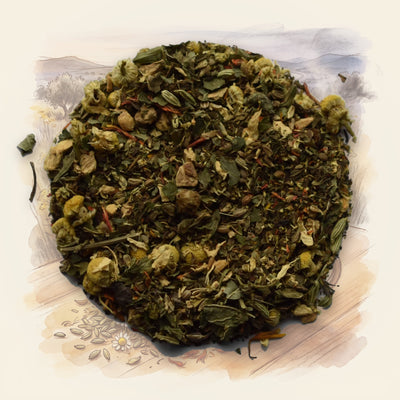
Rest and Digest, OrganicDigestive comfort · Caffeine-free · Anise, chamomile
Sold out
$10.00
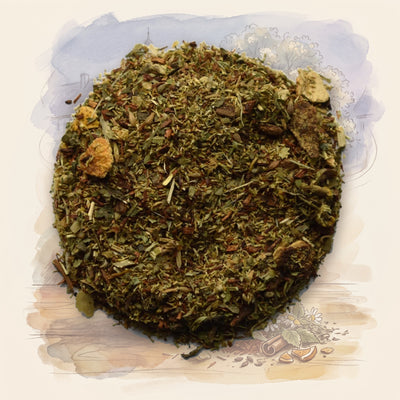
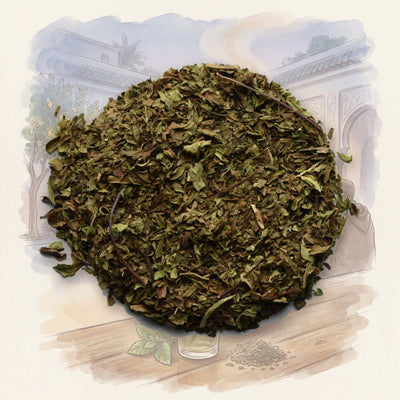
The Hangover, OrganicDetox support · Caffeine-free · Peppermint, ginger
☆☆☆☆☆
★★★★★
(3)
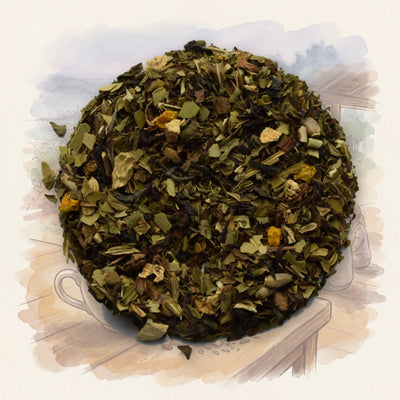
$9.00