

Caffeine-Free & Decaf Loose Leaf Tea
Read its story
Results
Nothing to keep you up.Rooibos, fruit and herbs never had caffeine; the decafs had it taken out and keep a trace. If you're avoiding it entirely, stay with the first three. Rooibos is what we hand people who say they don't like herbal tea.
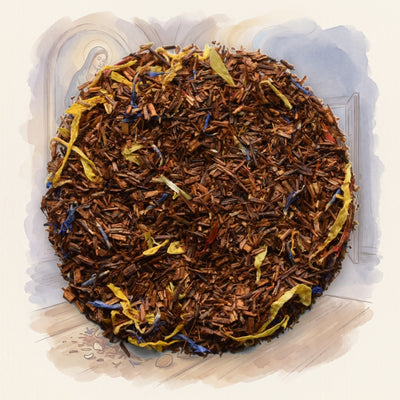

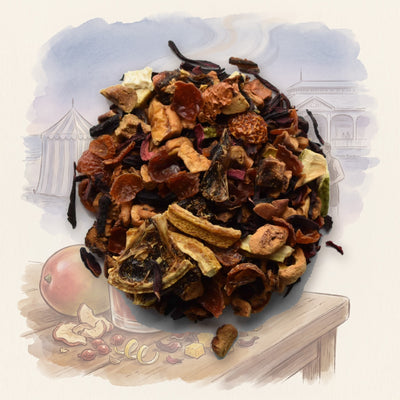
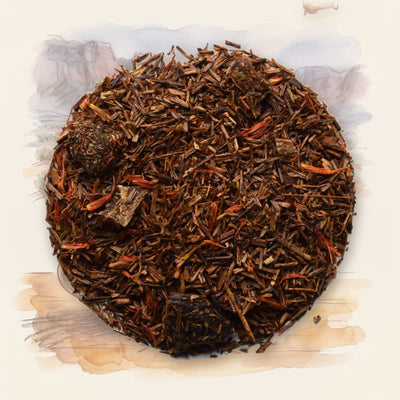
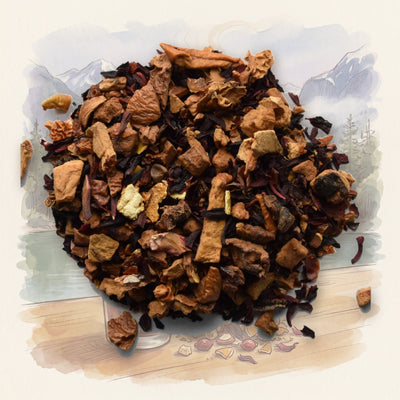
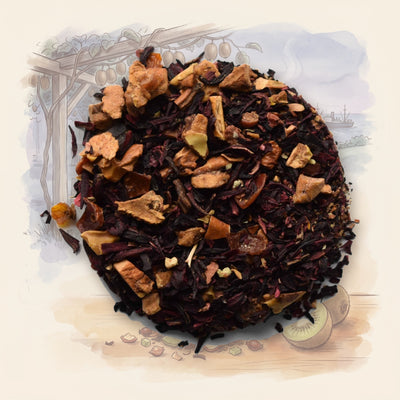
Hot Apple Cider, OrganicHoliday · Caffeine-free · Apple, spiced
Sold out

☆☆☆☆☆
★★★★★
(1)
$9.00

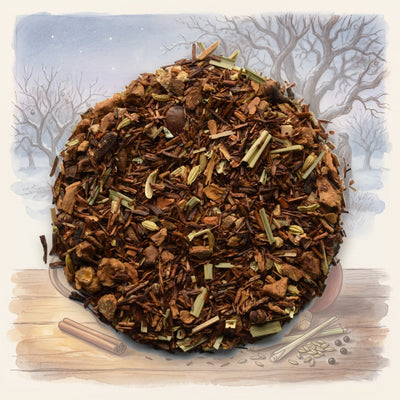
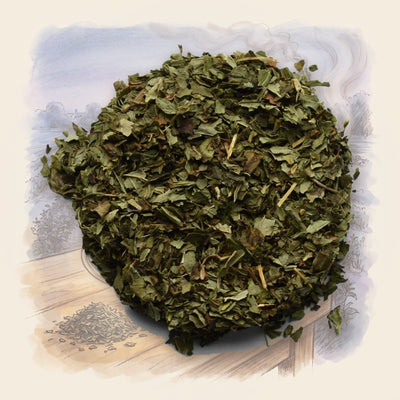
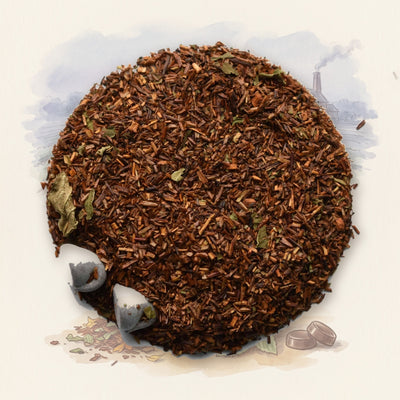
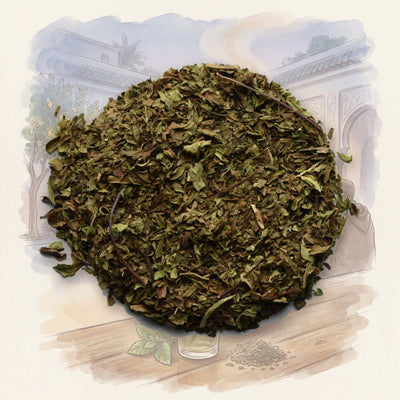
Peppermint, OrganicDigestive comfort · Caffeine-free · Cool, refreshing
☆☆☆☆☆
★★★★★
(1)
$10.00
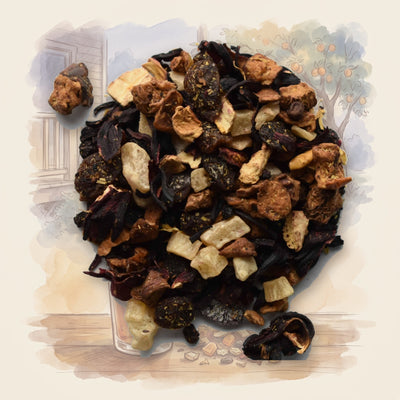

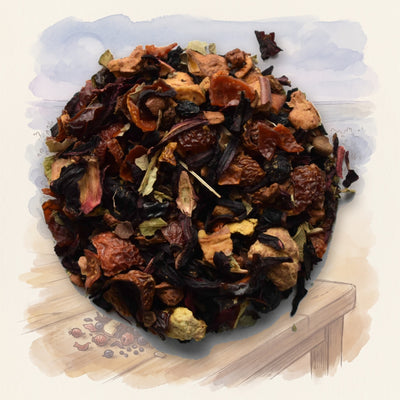
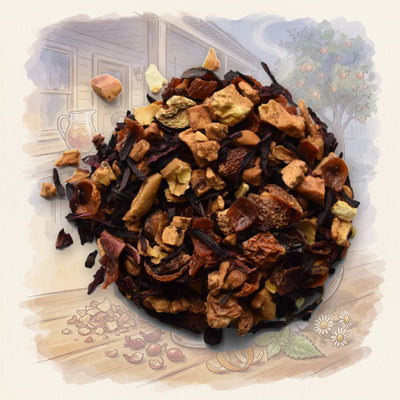
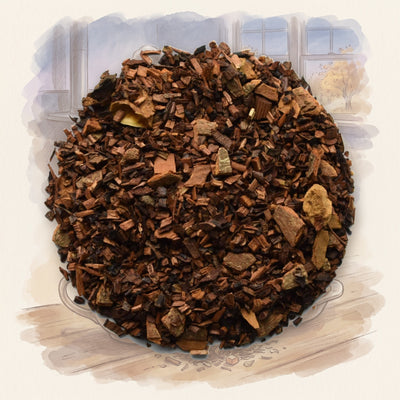
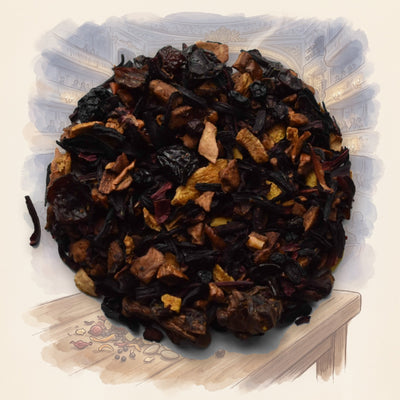
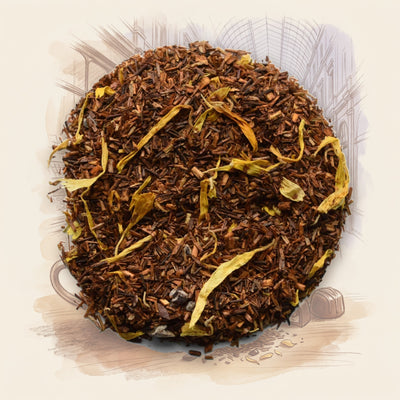
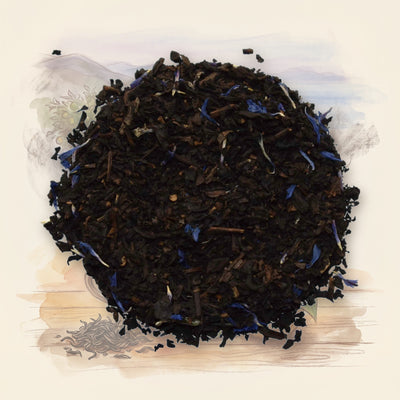
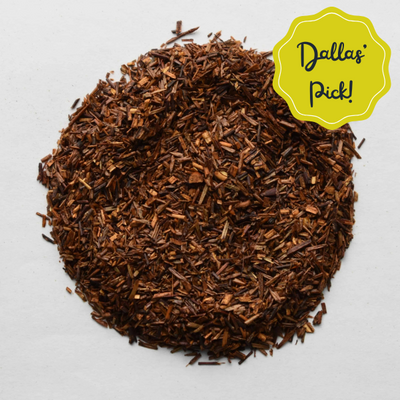
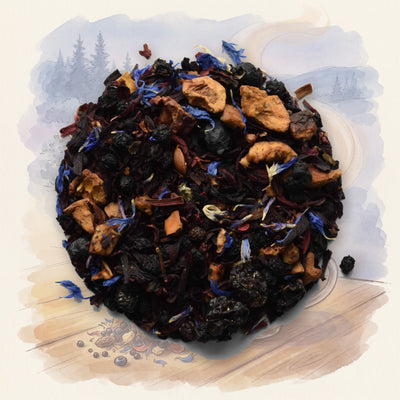
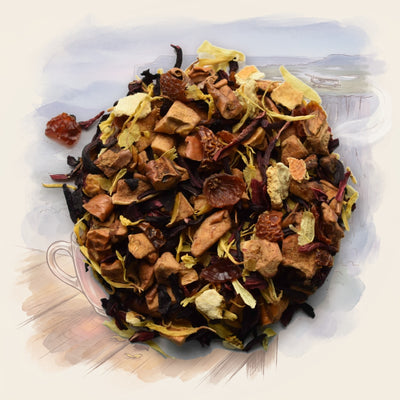
Elderberry Burst, OrganicIced tea · Caffeine-free · Elderberry, tart
☆☆☆☆☆
★★★★★
(1)
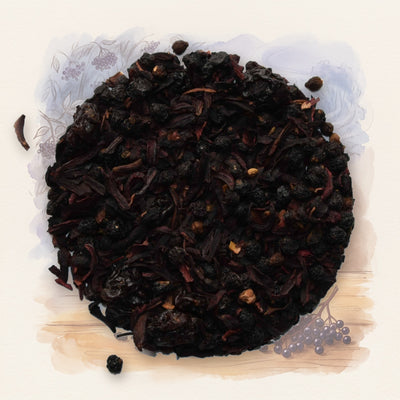
$9.00
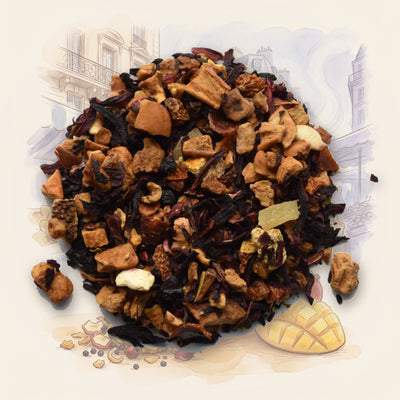
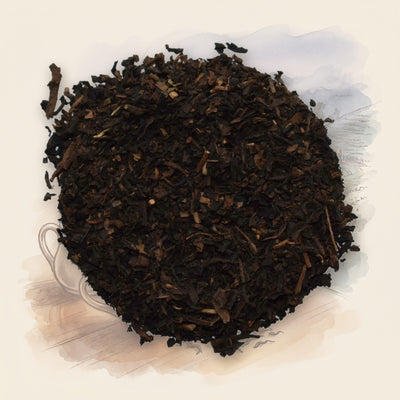
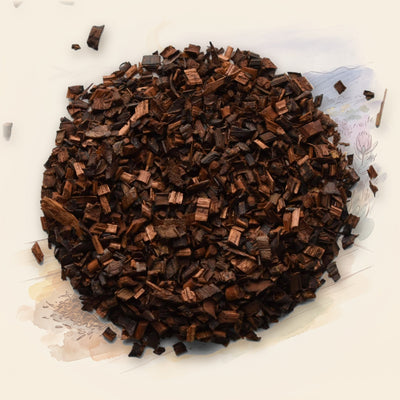
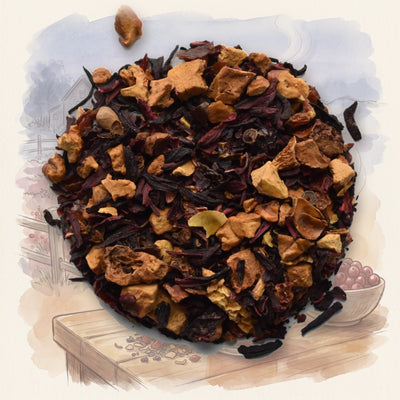
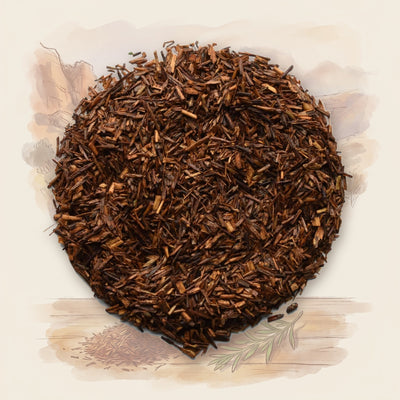
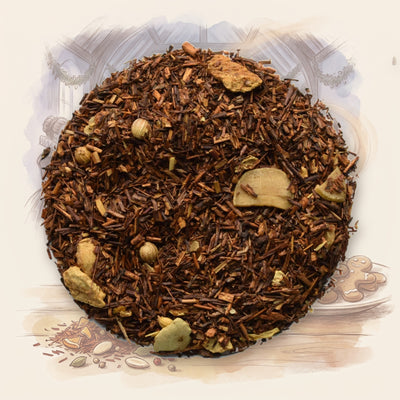
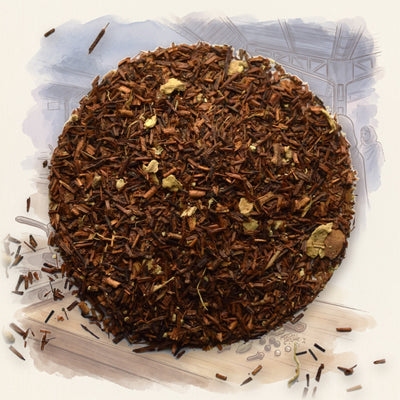
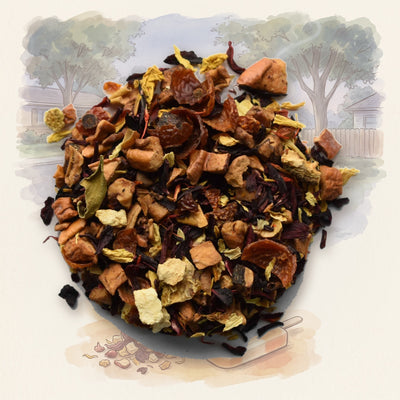
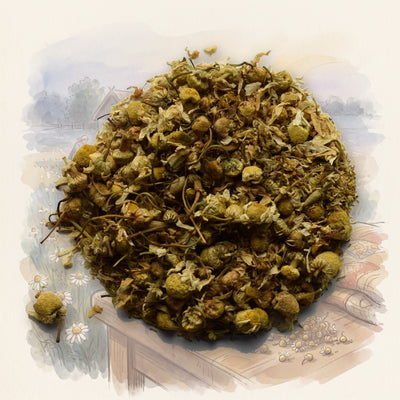
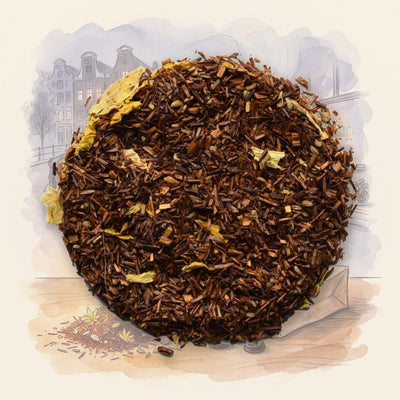
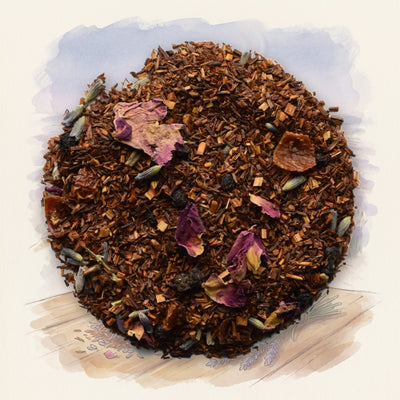
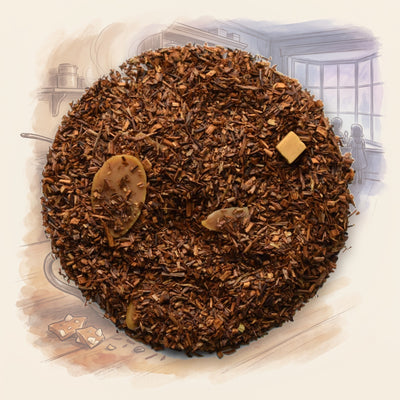
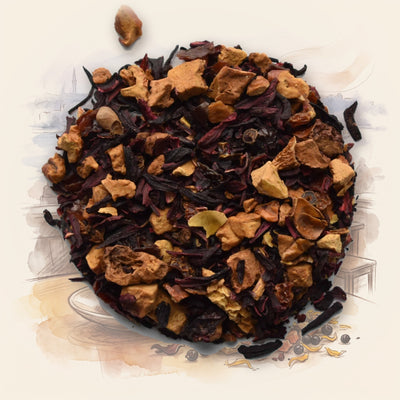
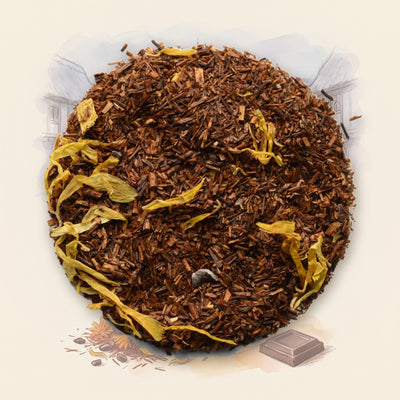
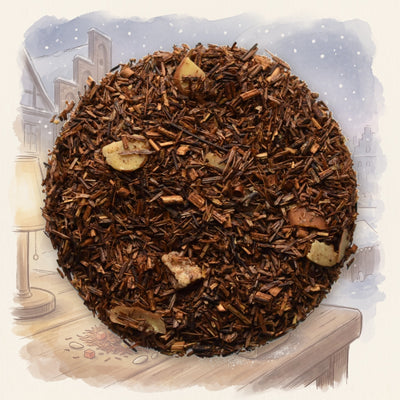
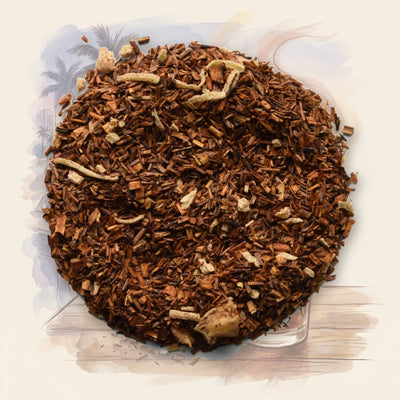
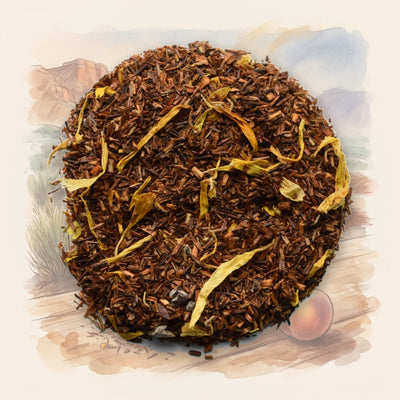

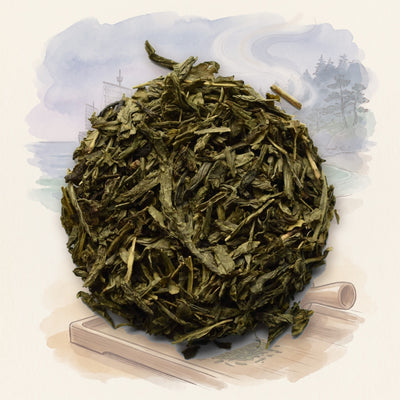
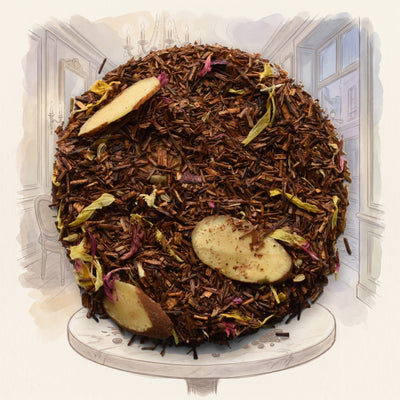
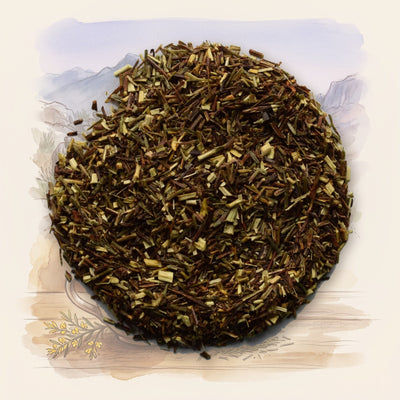
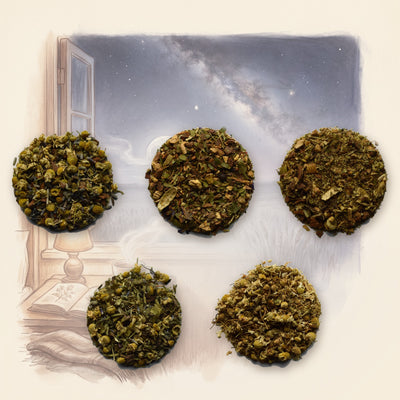
Bedtime Tea Set: 5 Herbal Teas for SleepBedtime set · Caffeine-free · Chamomile, lavender, valerian
2 of 5 available
$52.50
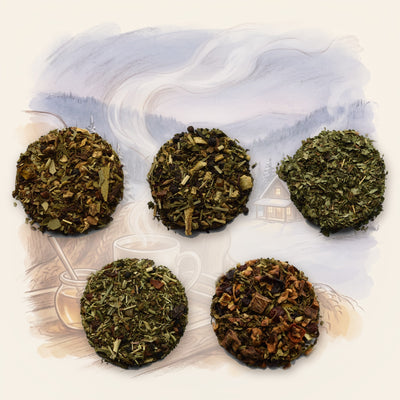
Cold Season Tea Set: 5 Herbal Teas for Colds & CongestionCold season set · Caffeine-free · Eucalyptus, echinacea, ginger
$45.00
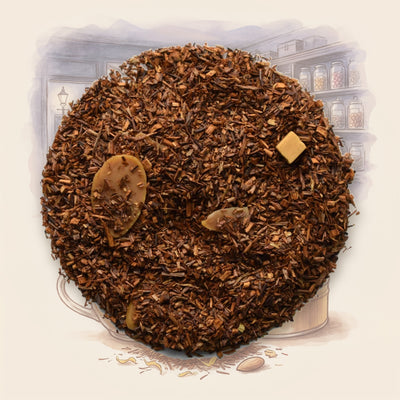
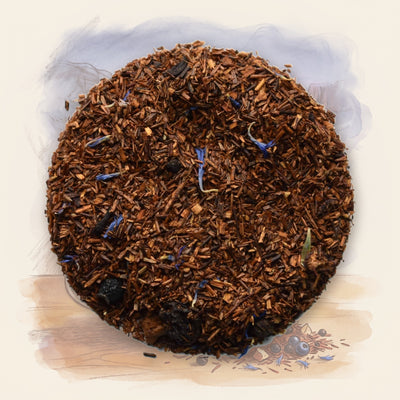
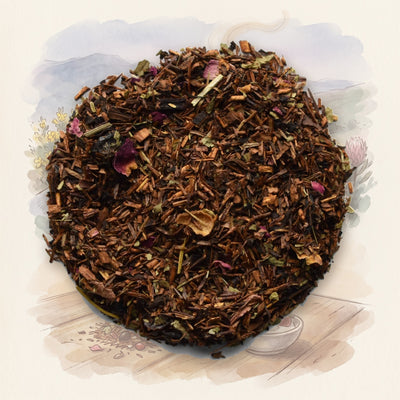
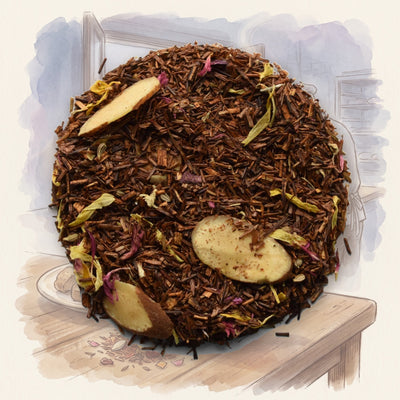
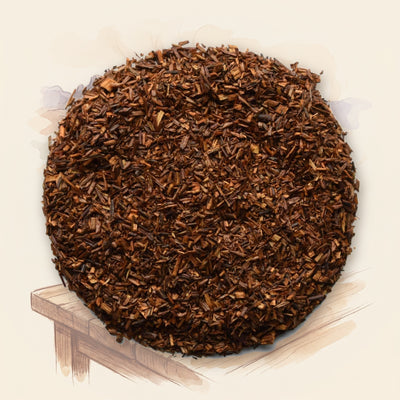
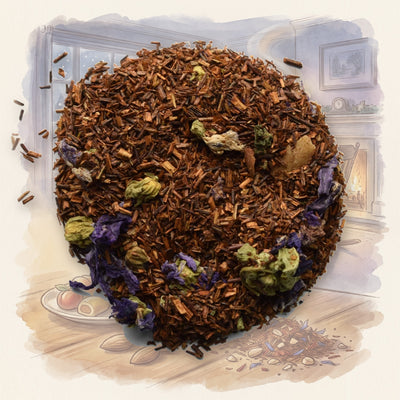
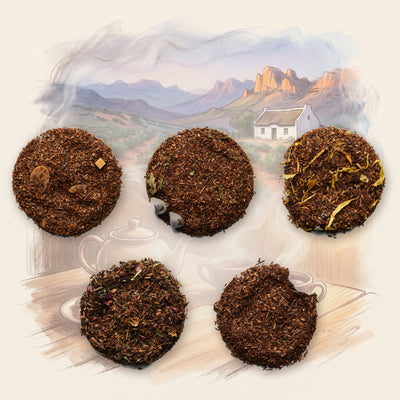
Rooibos Tea Set: 5 Dessert TeasRooibos set · Caffeine-free · Chocolate, caramel
4 of 5 available
$46.00