


Matcha Green Tea Powder
Read its story
Results
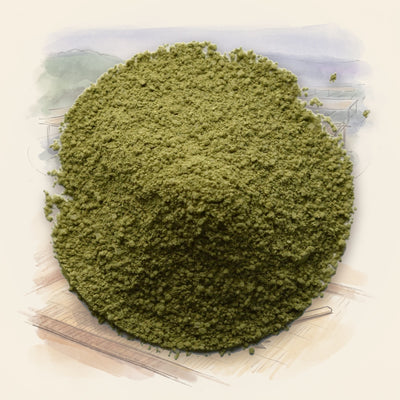
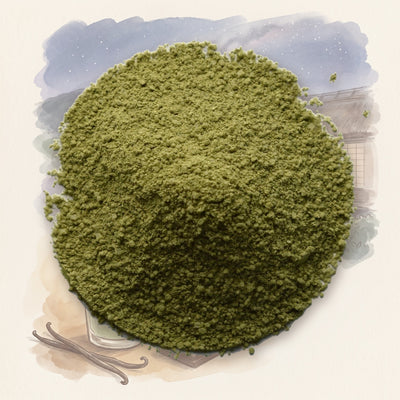
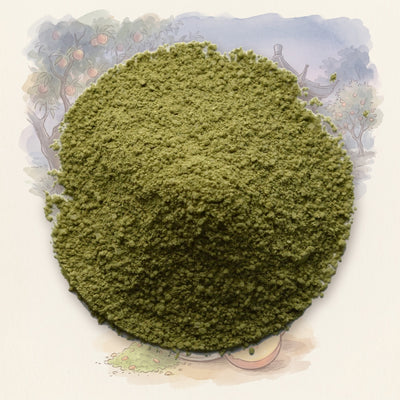
the vibrant one.Bright green powder you whisk into water — you drink the whole leaf. Creamy, vegetal, with natural sweetness. More caffeine than coffee but smoother energy. A ritual in a bowl.
How to brew it
- 175°F / 80°C
- Whisked, not steeped
- 1 tsp sifted into 2oz water, whisked in a W until frothy, then topped up
- Drink it all; the leaf is in the cup
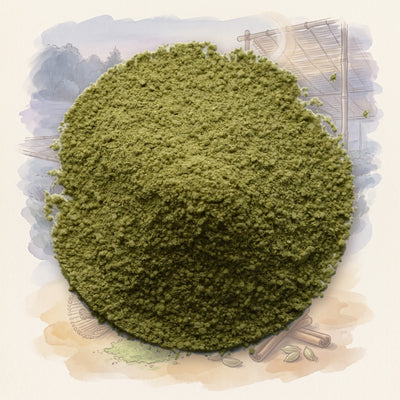
Chocolate Strawberry Matcha, OrganicLatte-ready · Medium caffeine · Strawberry, chocolate
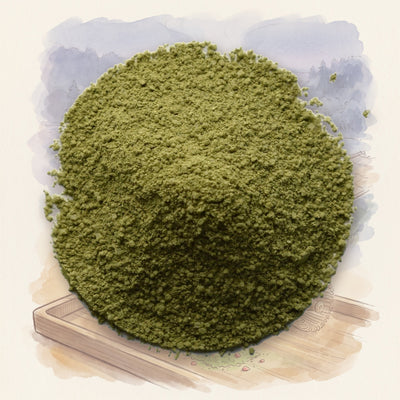
$9.00

Coconut Matcha, OrganicLatte-ready · Medium caffeine · Coconut, earthy
☆☆☆☆☆
★★★★★
(1)

$9.00
Cream of Earl Grey Matcha, OrganicLatte-ready · Medium caffeine · Bergamot, creamy
☆☆☆☆☆
★★★★★
(3)
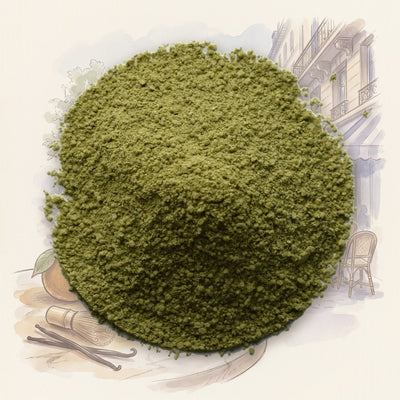
$9.00
Lavender Peach Matcha,Latte-ready · Medium caffeine · Lavender, peach
☆☆☆☆☆
★★★★★
(1)
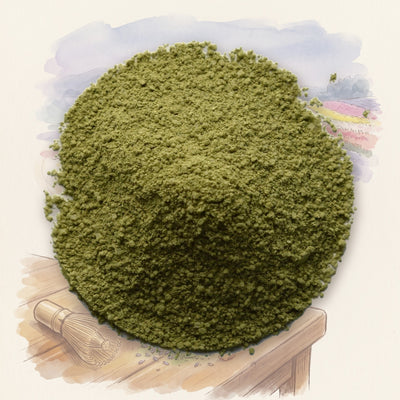
$15.00
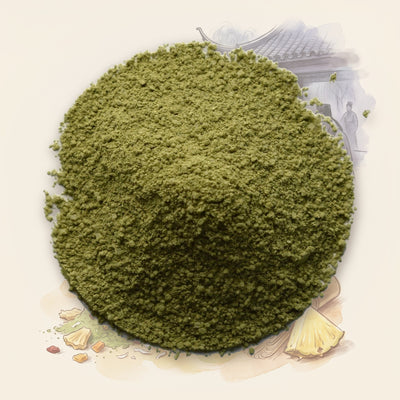
Pineapple, Pineapple Matcha, OrganicLatte-ready · Medium caffeine · Tropical, earthy
$9.00
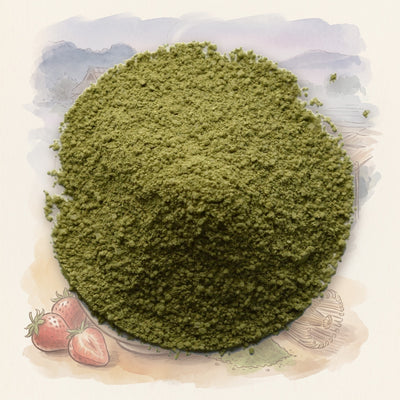
Strawberry Matcha, OrganicLatte-ready · Medium caffeine · Strawberry, earthy
☆☆☆☆☆
★★★★★
(2)
$9.00
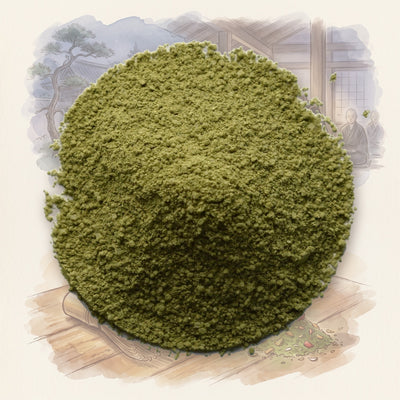
Tropic Thunder Matcha, OrganicLatte-ready · Medium caffeine · Tropical, earthy
☆☆☆☆☆
★★★★★
(2)
$9.00
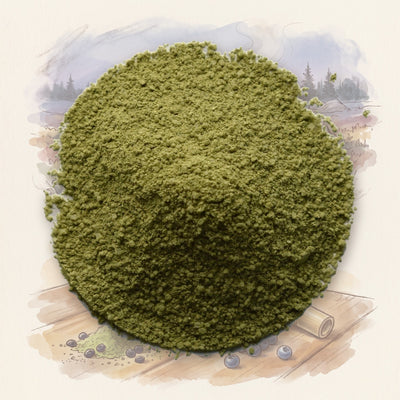
Wild Blueberry Matcha,Latte-ready · Medium caffeine · Blueberry, earthy
Sold out
☆☆☆☆☆
★★★★★
(2)
$15.00