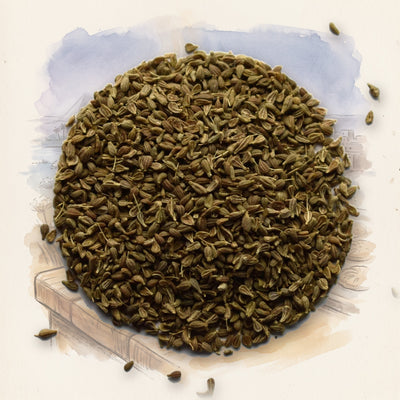
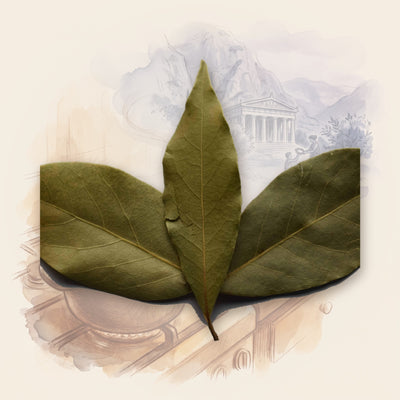
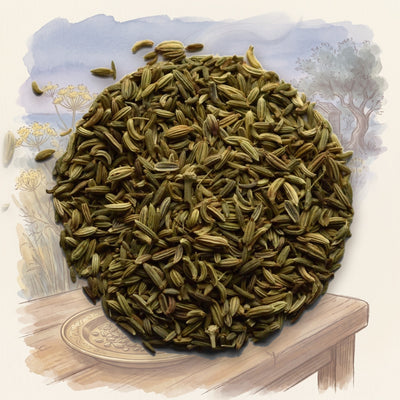
About the year 800, a document drawn up for Charlemagne's own farms, the Capitulare de villis, set out how each estate was to be run, down to the plants in its garden. Chapter 70 gives the list. Sage is on it, and fennel, which the emperor wanted on the imperial farms.
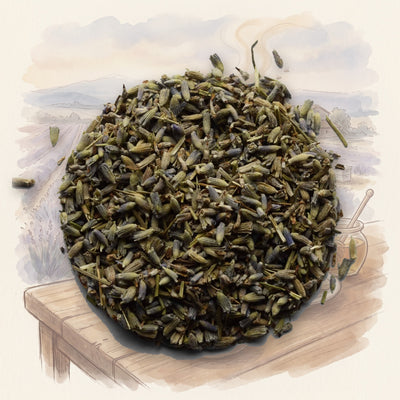
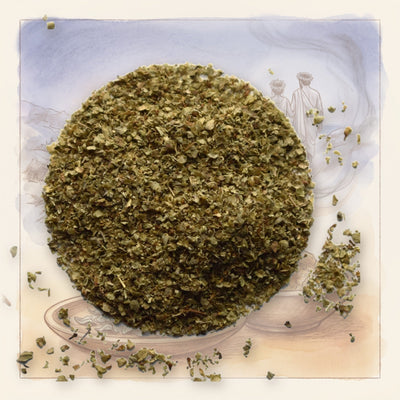
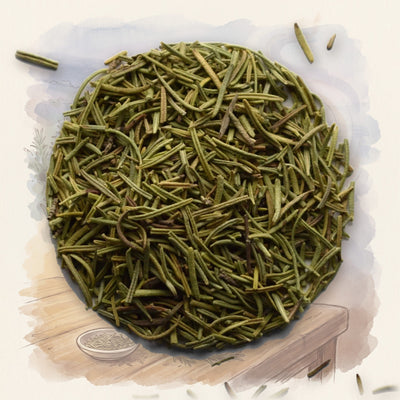
The rest of the shelf grew on hillsides further south. Marjoram is native to Cyprus and Turkiye; Greek myth made the plant out of Amaracus, a mixer of unguents, and Greeks and Romans kept it as a sign of happiness. On the garrigue of Provence, lavender, rosemary, sage and wild thyme grow together on pale limestone, a scrub that looks ancient and is not: the oak forest was cleared from the Late Bronze Age onward for olives, vines and grazing.
The jars are recent. Wholesalers made up herbes de Provence in the 1970s, and one Provencal writer remembered that his grandmothers had never heard of them, and used thyme, rosemary and savory one at a time. Italian seasoning is an American condiment; Italy's own pre-mixed thing is a seasoned salt, salamoia bolognese. The sauce that made tarragon famous is dated: 1836, at Saint-Germain-en-Laye, where a chef opening a restaurant in Henry IV's old residence finished eggs and butter with shallot, vinegar and tarragon and named it for the king's home province of Bearn.
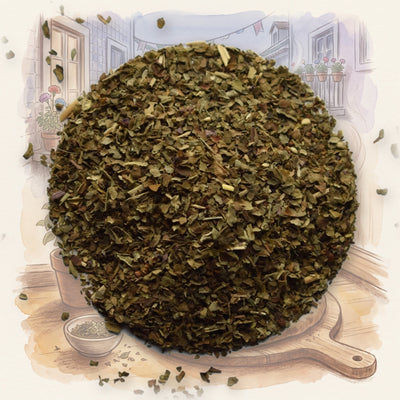
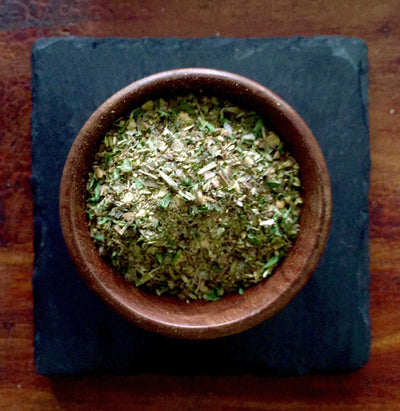
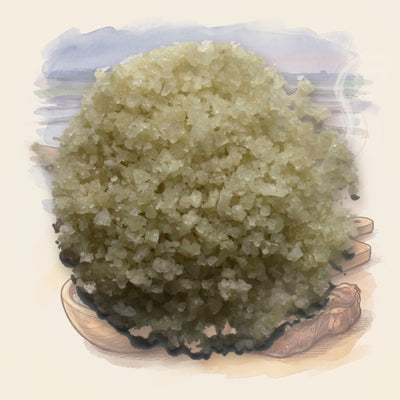
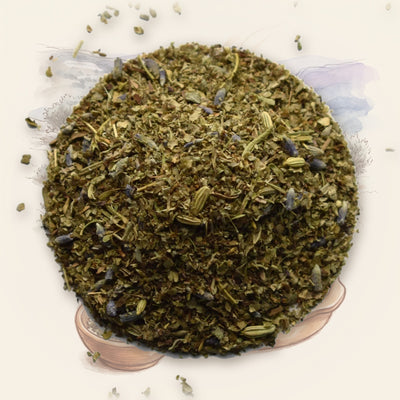
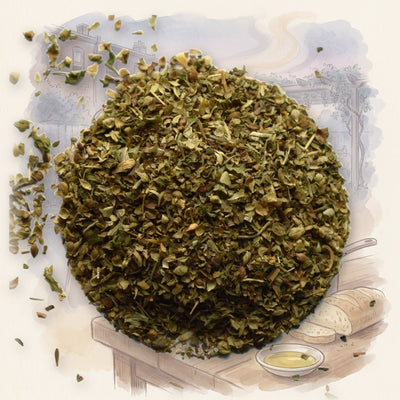
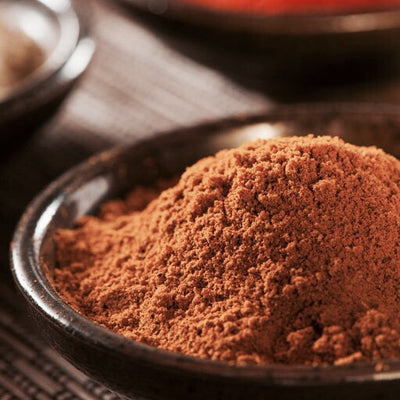
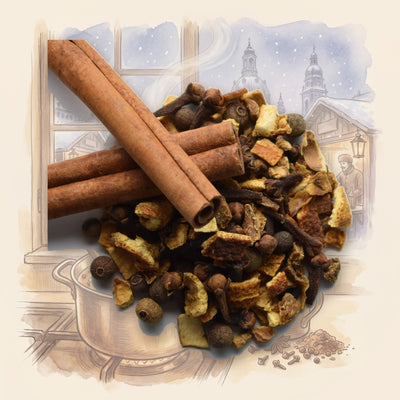
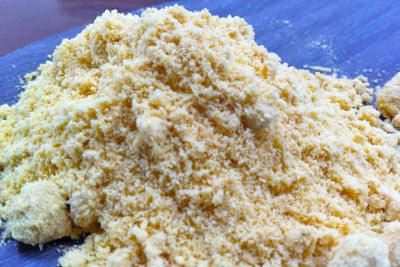
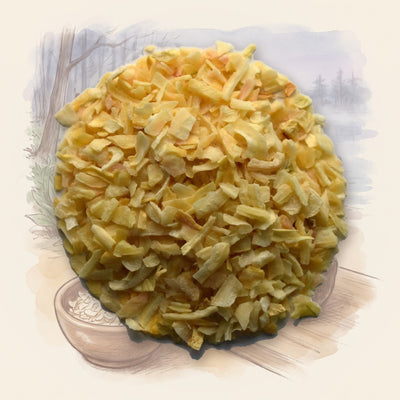
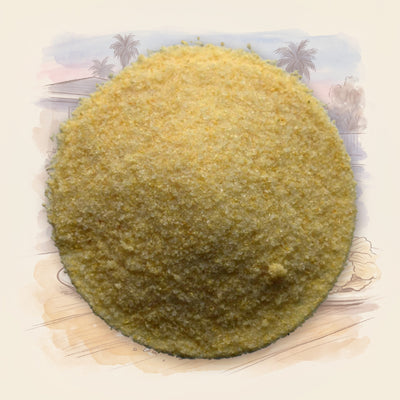
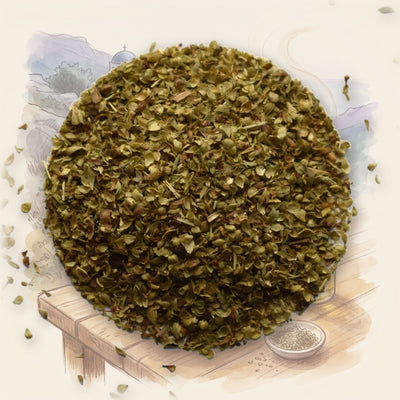
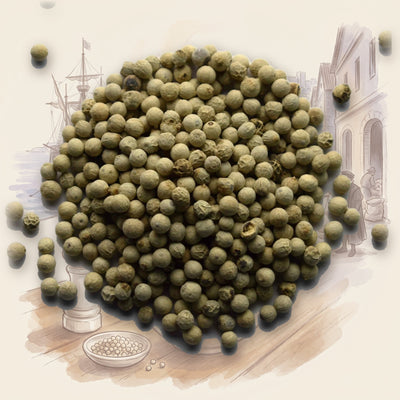
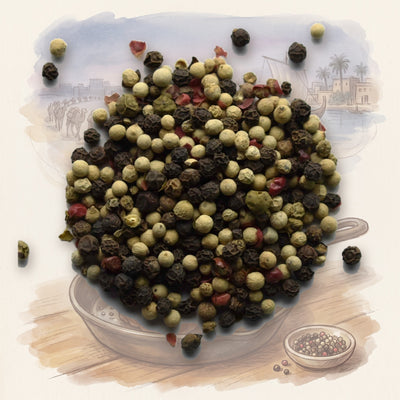
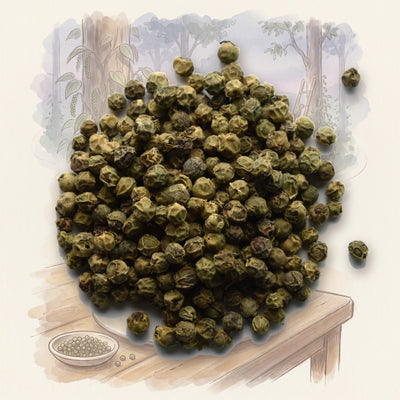
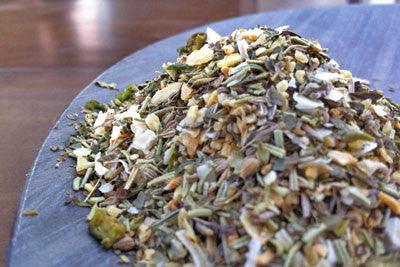
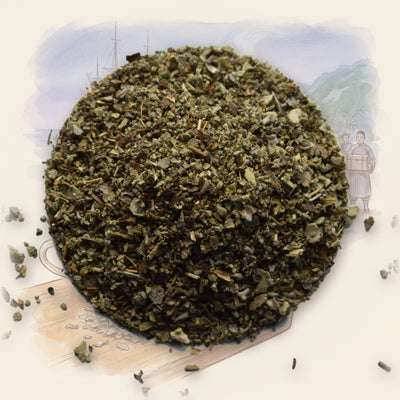
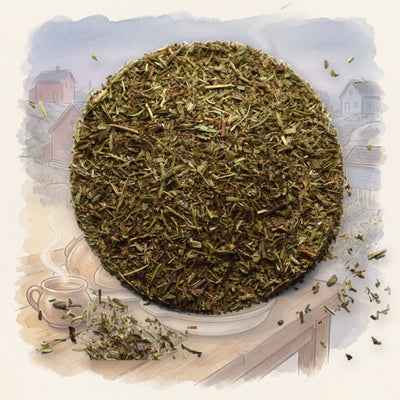
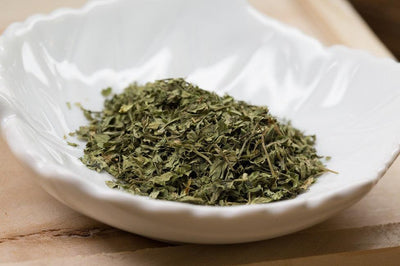
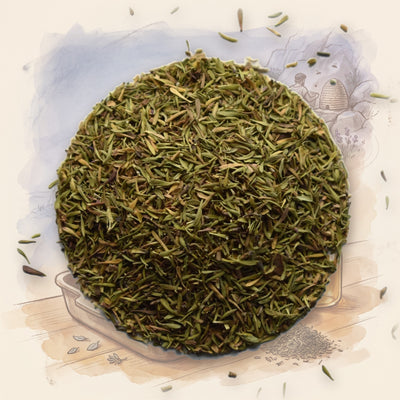
Salt is older than all of it. Guerande's clay-floored pans on the Brittany coast were first written of in 854, and a sel gris takes its grey from the floor of the pan, holding enough water to stay damp in the cellar. Grey Sea Salt, Coarse is that kind of salt. Herbes de Provence is the North American build, with lavender and no oregano, and Italian Herb Blend is the weeknight jar, Savory, Coarse the peppery herb used on its own, Tarragon Leaf the sauce, and Pepper, White, Ground the pepper that vanishes into a cream.