
Spices, Herbs & Seasonings
Read its story
Results
The cooking wall.Single spices, dried herbs, salts, and the blends that do the measuring for you. Filter by cuisine, by dish, or by what it goes on — or by heat, if that's the question. Whole spices keep longest; grind what you need.
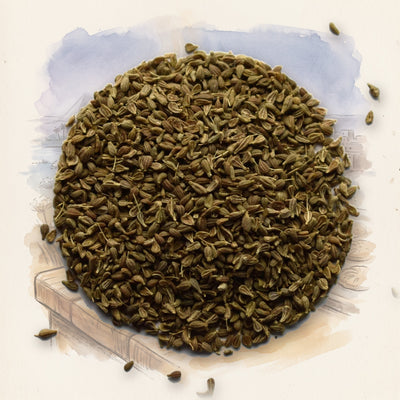

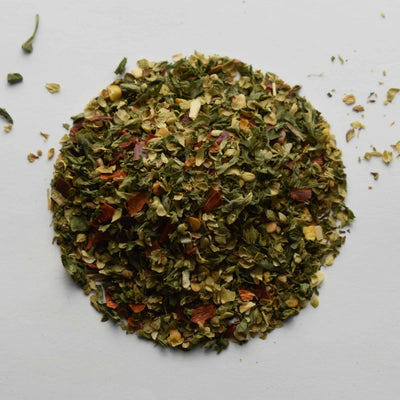
Argentinian Chimichurri BlendMexican / Latin blend · Mild heat · Herbal, garlicky
Sold out
☆☆☆☆☆
★★★★★
(1)
$9.99
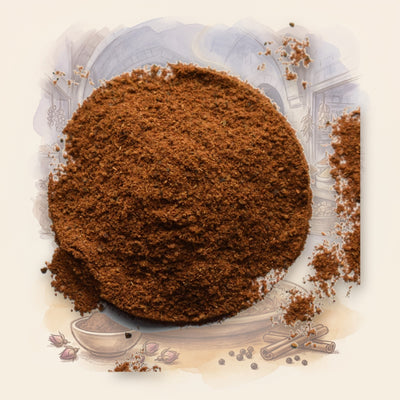
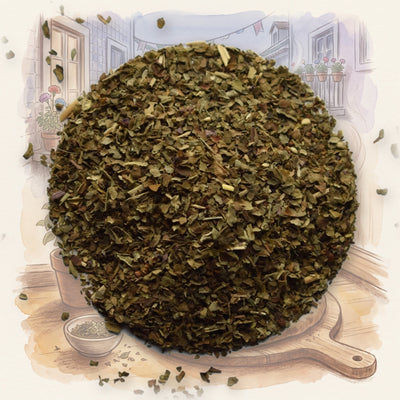

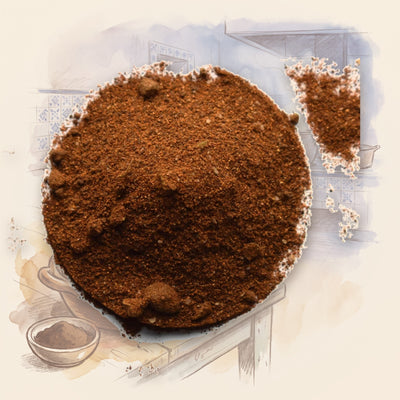
Bayou Creole Seasoning BlendCajun / Creole blend · Mild heat · Savory, earthy
☆☆☆☆☆
★★★★★
(1)
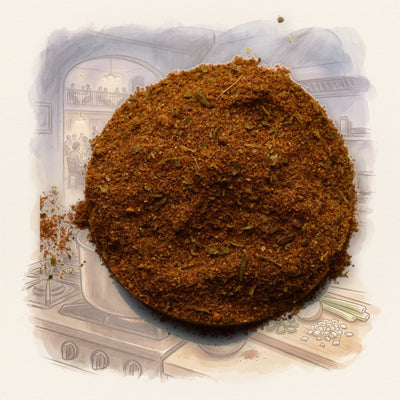
$9.99
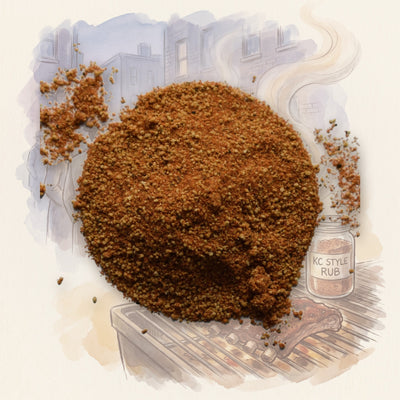
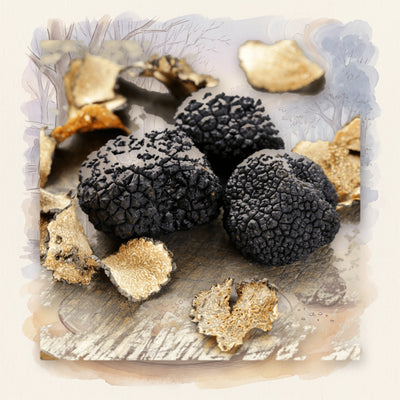
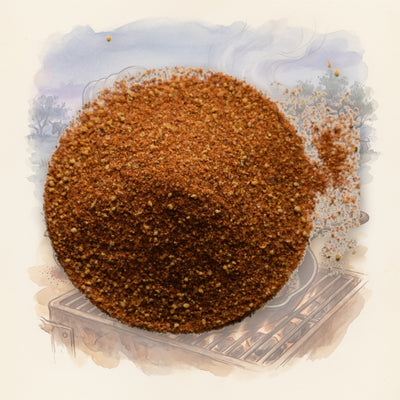
Cajun Blackening Spice BlendCajun / Creole rub · Medium heat · Savory, peppery
☆☆☆☆☆
★★★★★
(1)
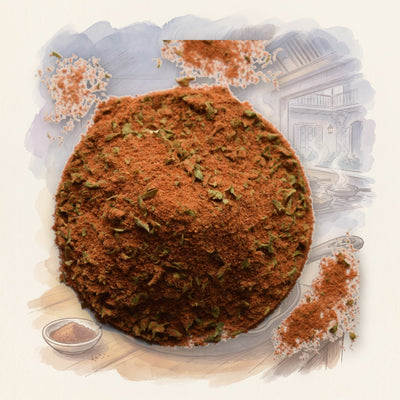
$9.99
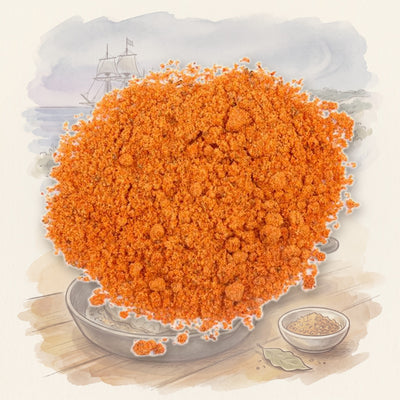
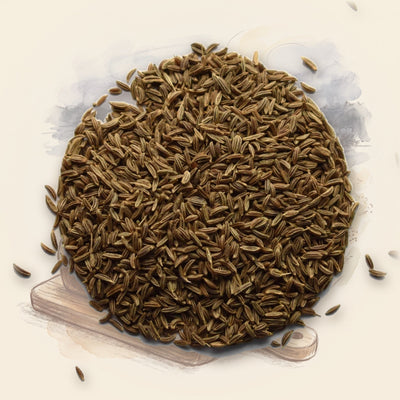
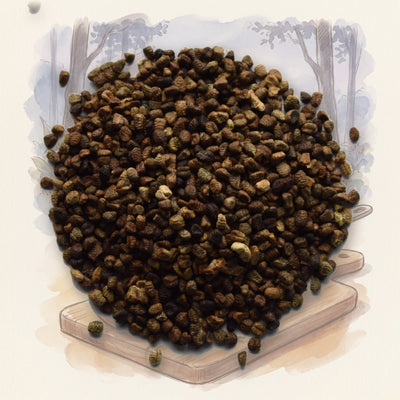
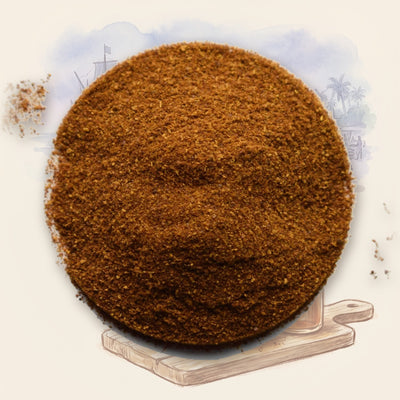
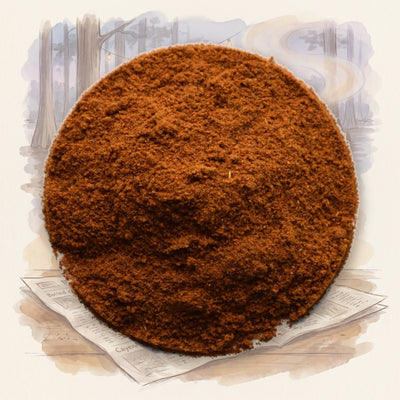
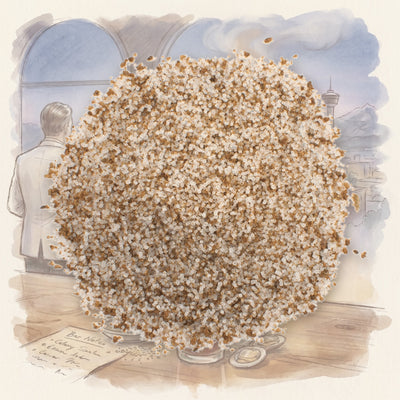
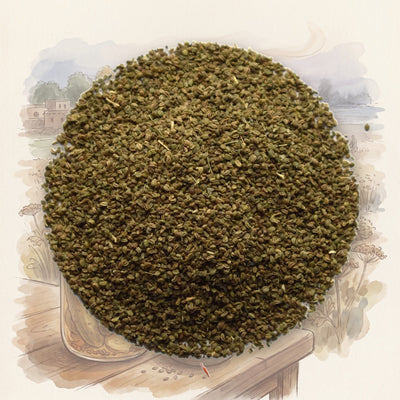
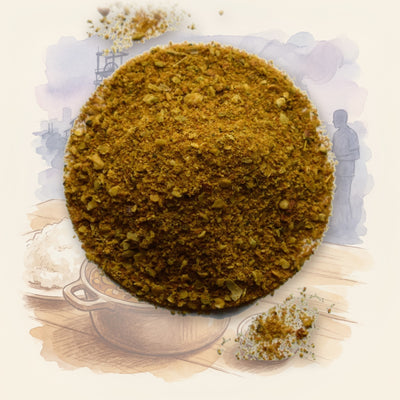
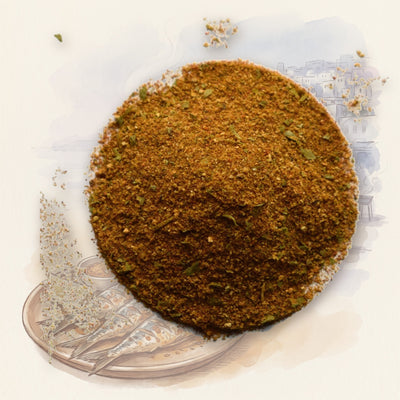
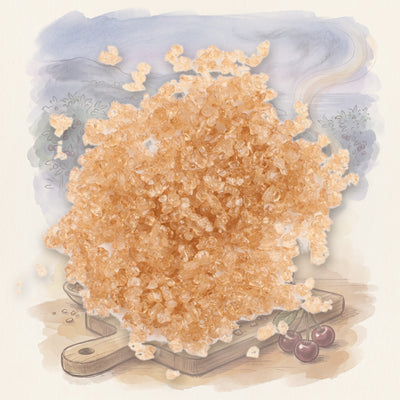
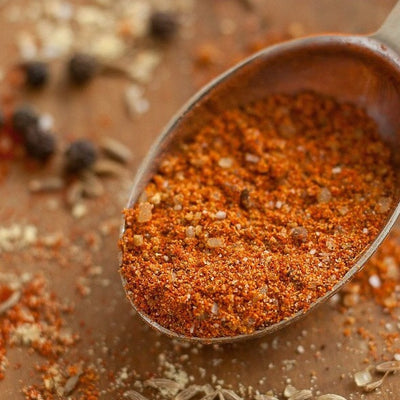
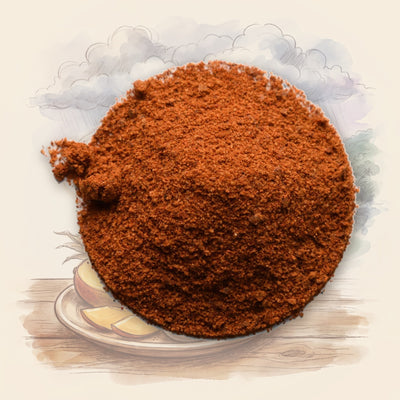
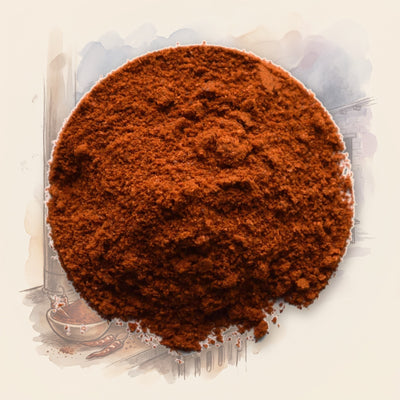


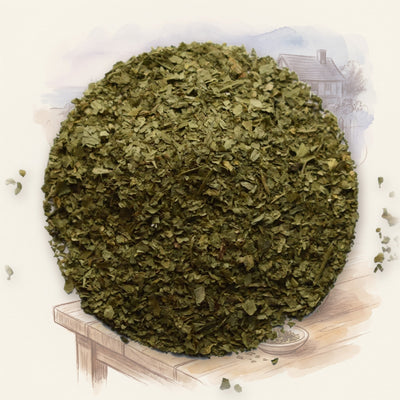
Cinnamon, Ground, Sri Lankan True Ceylon, OrganicUniversal essential · Warm, delicate
Sold out
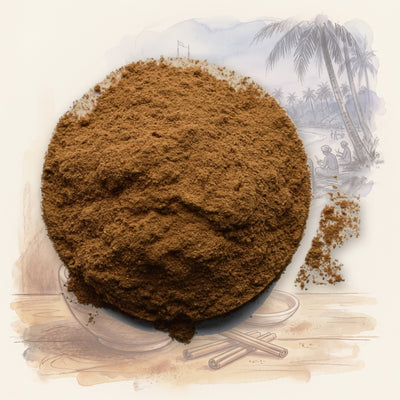
☆☆☆☆☆
★★★★★
(3)
$9.99
Cinnamon, Ground, Vietnamese SaigonUniversal essential · Warm, intense
Sold out
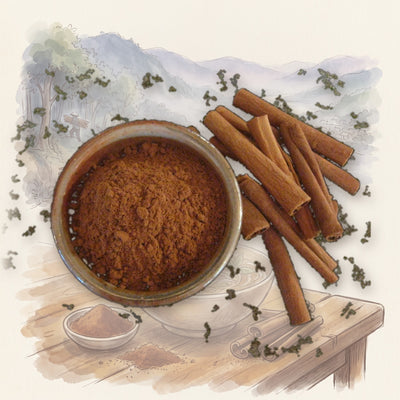
☆☆☆☆☆
★★★★★
(1)
$7.99

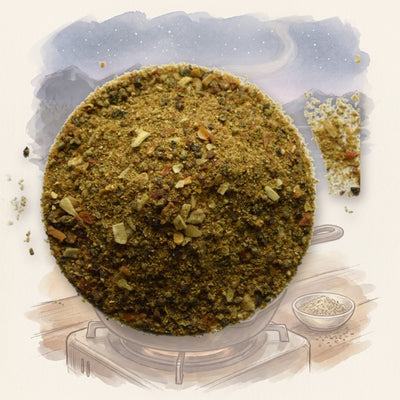
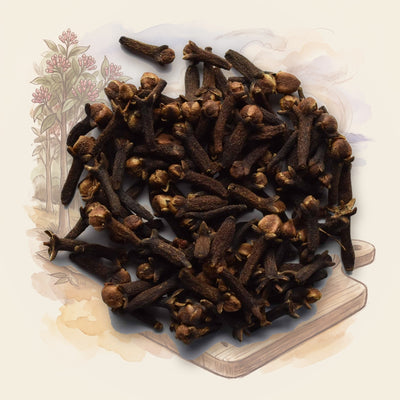
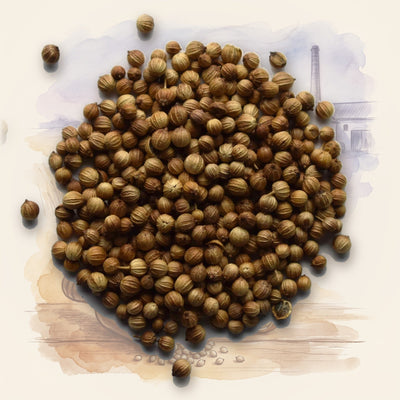
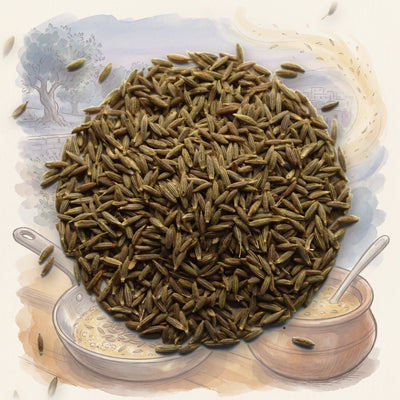
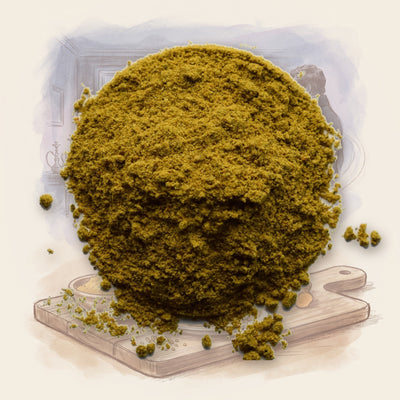

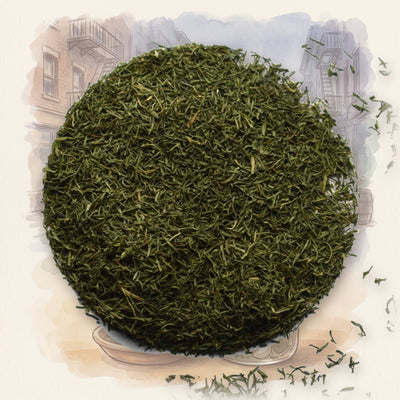
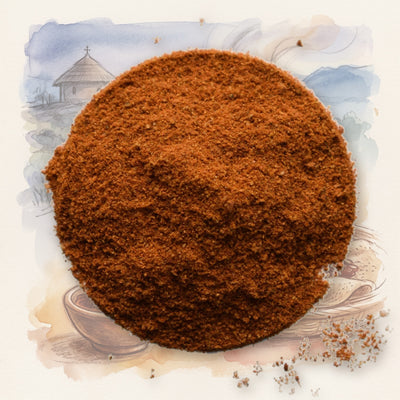
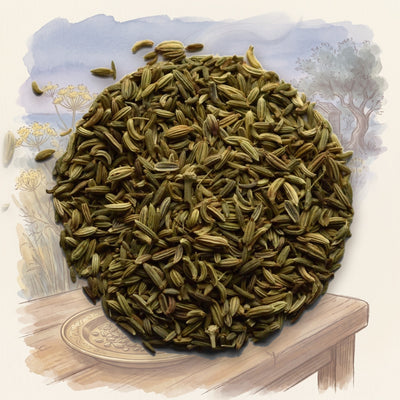
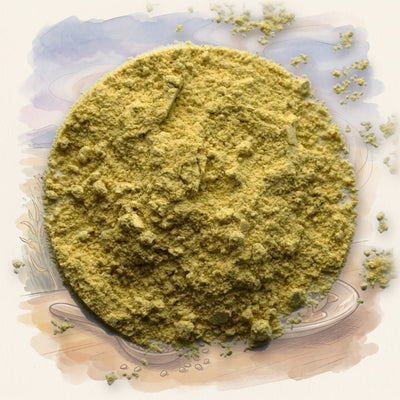

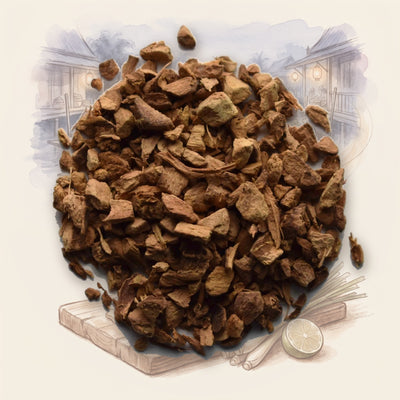

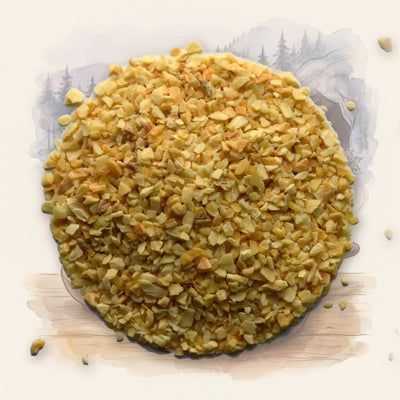
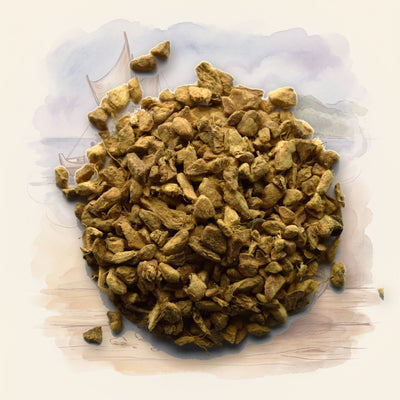
Gochugaru (Korean Chile Flakes)Korean essential · Mild heat · Fruity, smoky
Sold out
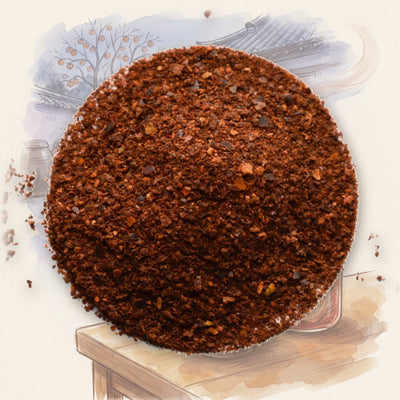
$8.99
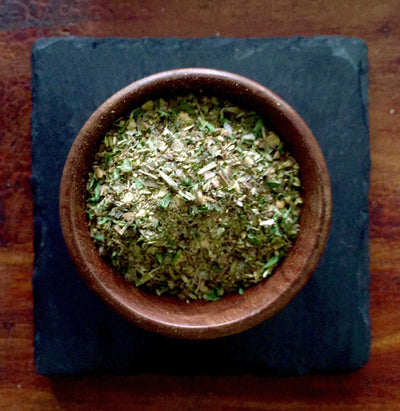
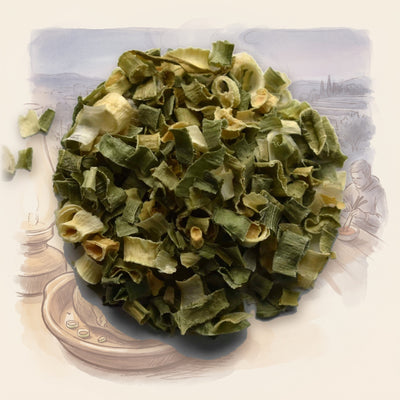
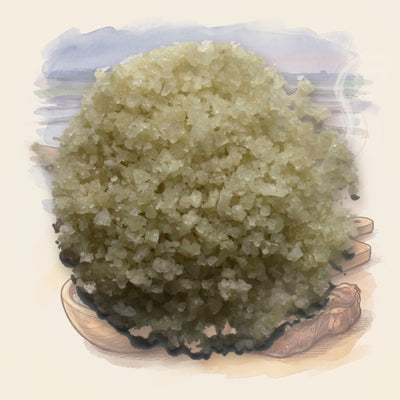
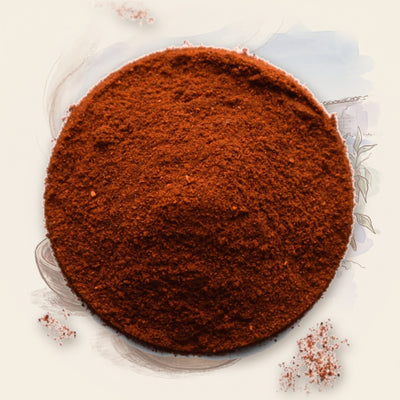
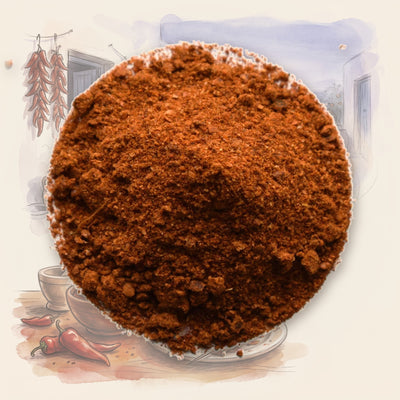
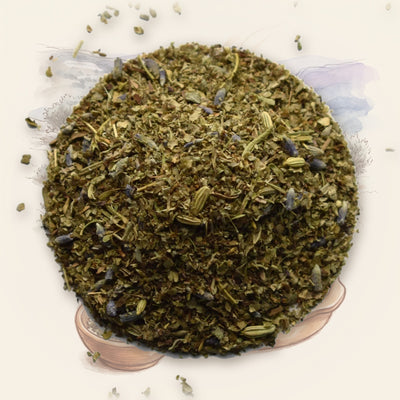
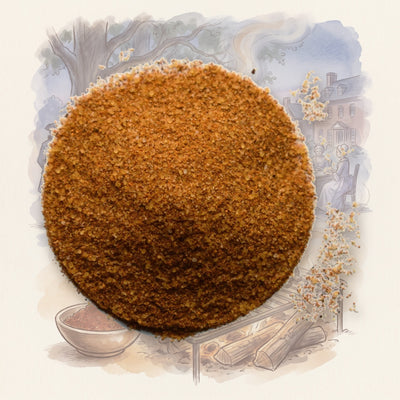

Indonesian Rendang Curry PowderSoutheast Asian curry · Mild heat · Rich, coconut-friendly
☆☆☆☆☆
★★★★★
(1)
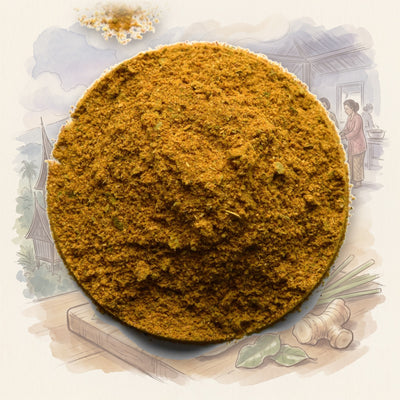
$9.99
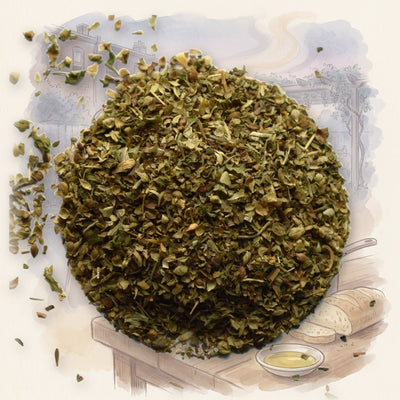
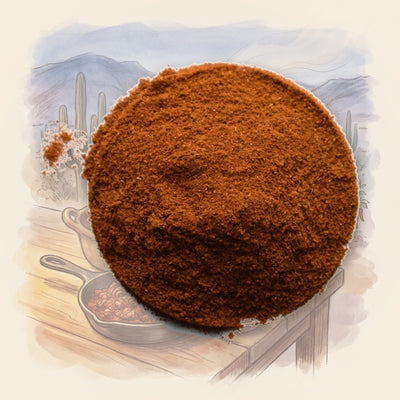
Jamaican Curry PowderCaribbean curry · Medium heat · Bright, allspice-forward
☆☆☆☆☆
★★★★★
(1)
$12.99
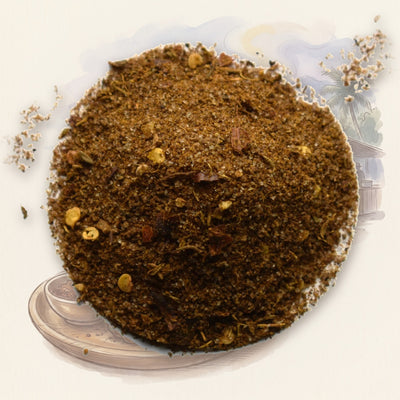
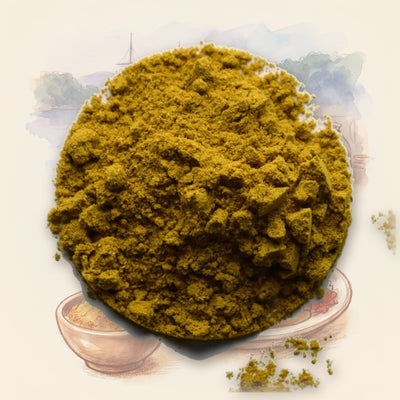
Japanese Yellow Curry PowderJapanese curry · Mild heat · Mild, sweet
Sold out
☆☆☆☆☆
★★★★★
(1)
$11.99
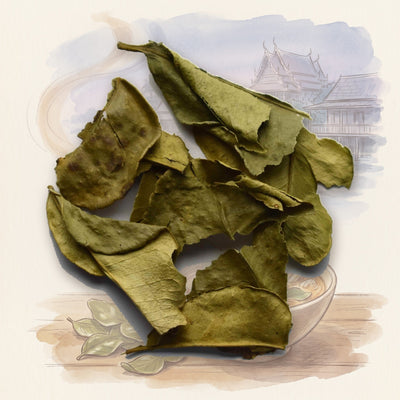
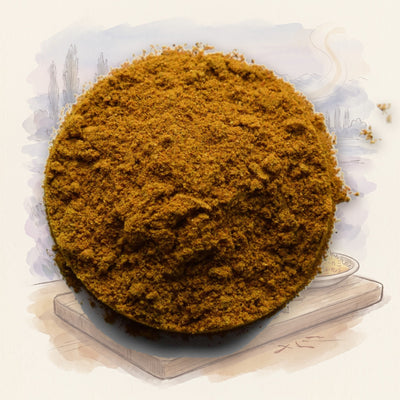
Kashmiri Saffron CurryIndian curry · Mild heat · Floral, saffron-laced
Sold out
☆☆☆☆☆
★★★★★
(1)
$15.99

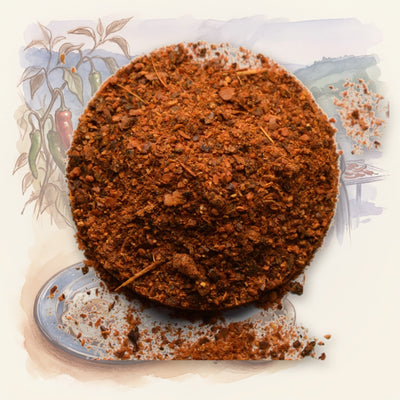
Merkén Chile BlendMexican / Latin essential · Mild heat · Citrusy, earthy
Sold out
☆☆☆☆☆
★★★★★
(1)
$11.99
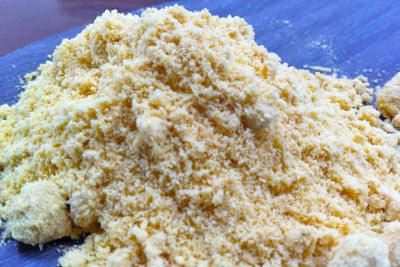
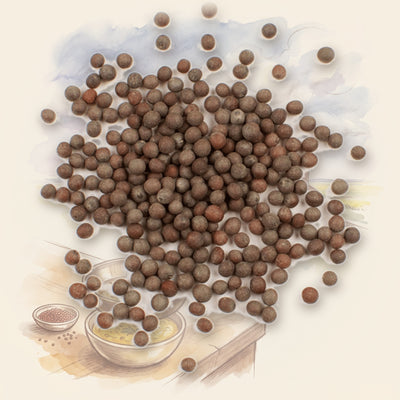
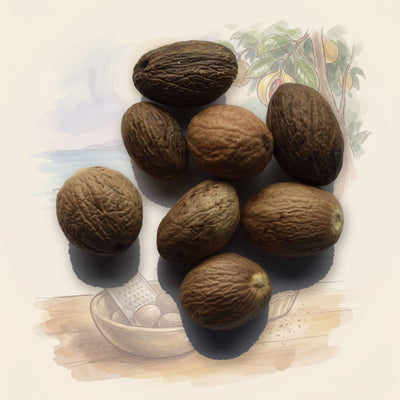
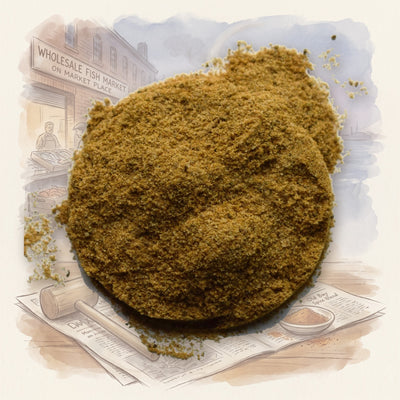
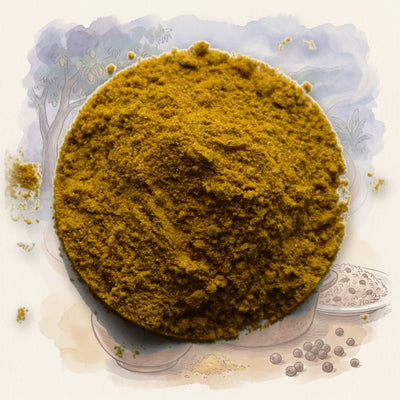
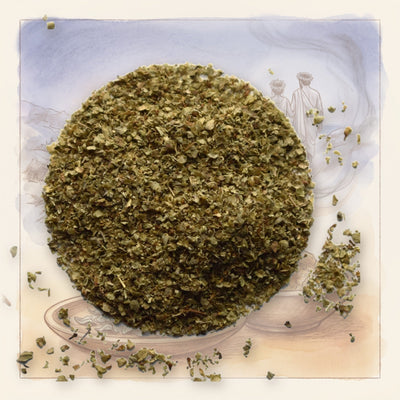
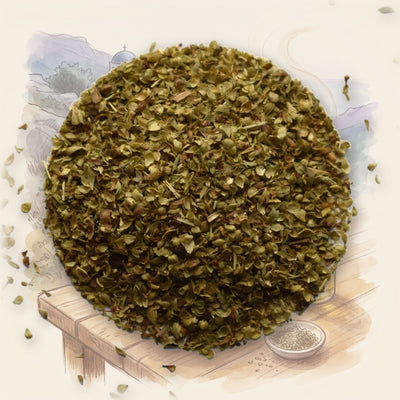
Oregano, MediterraneanMediterranean essential · Savory, robust
Sold out
☆☆☆☆☆
★★★★★
(2)
$5.99
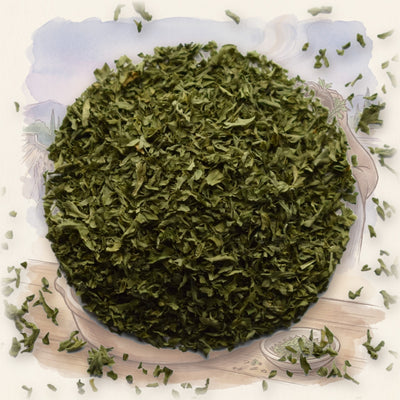
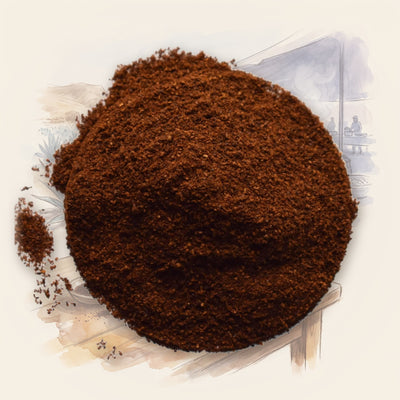
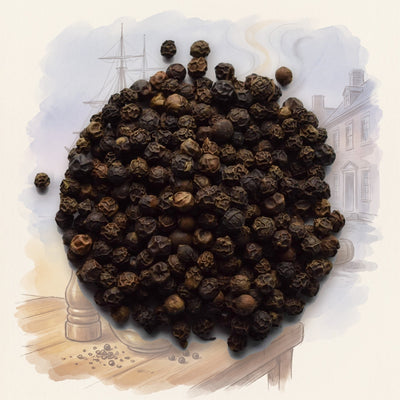
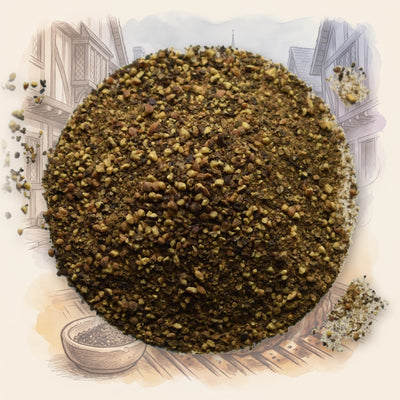
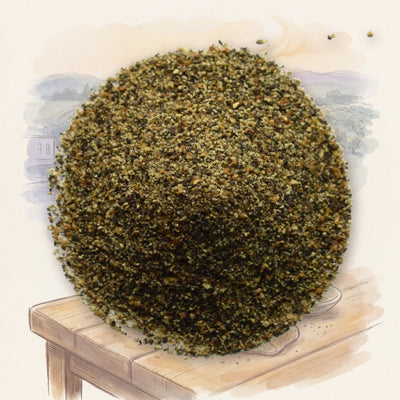
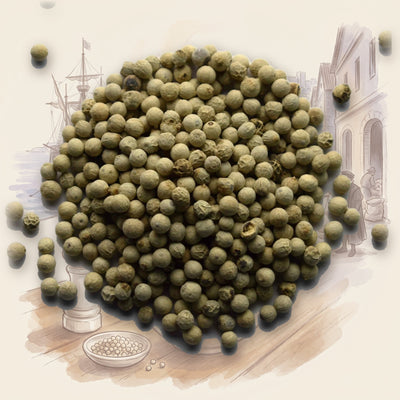
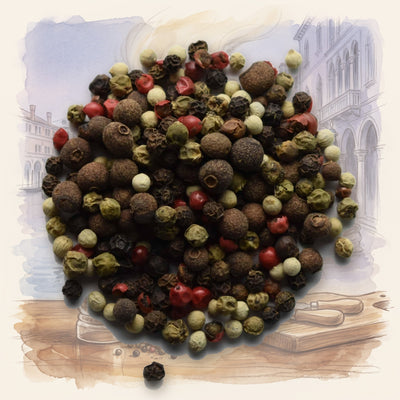
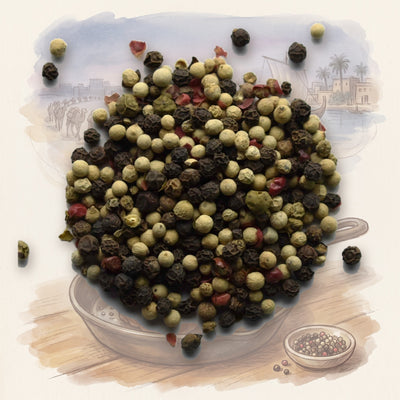
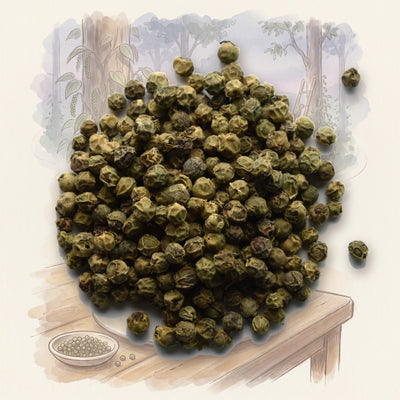
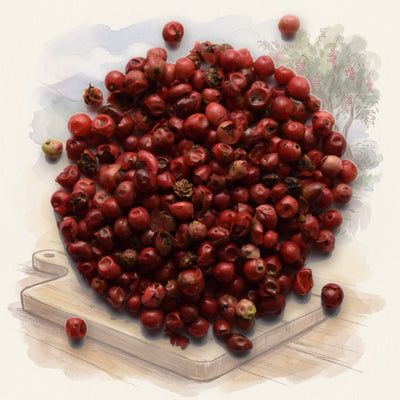
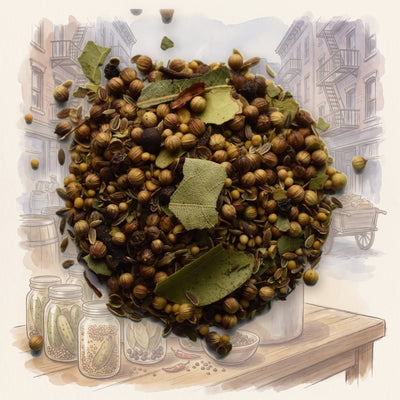
Peppercorns, Five BlendUniversal essential · Mild heat · Complex, aromatic
☆☆☆☆☆
★★★★★
(1)
$6.99
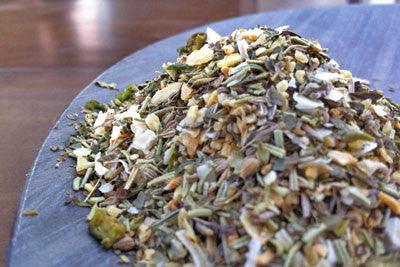
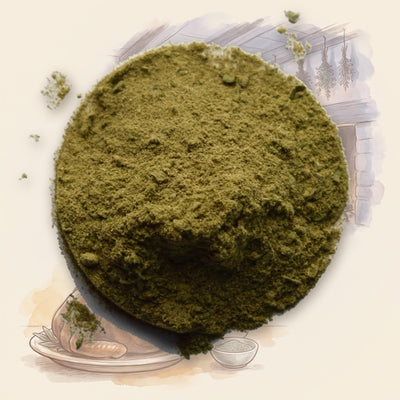
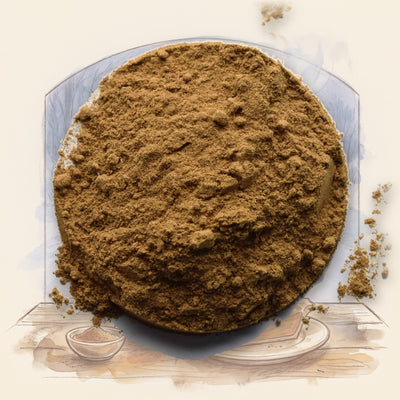
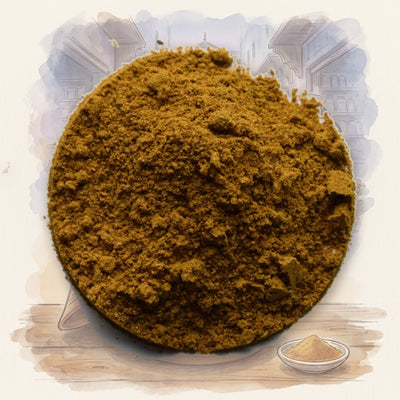
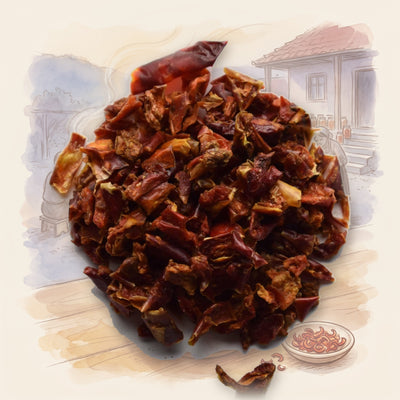
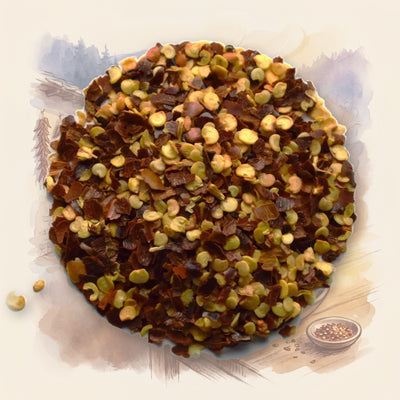
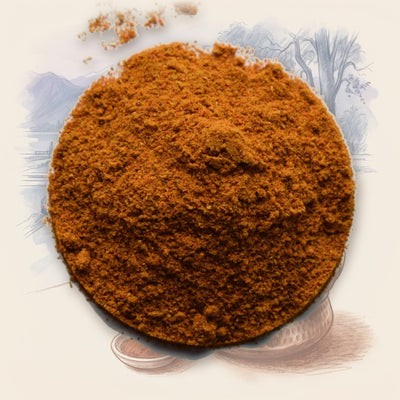
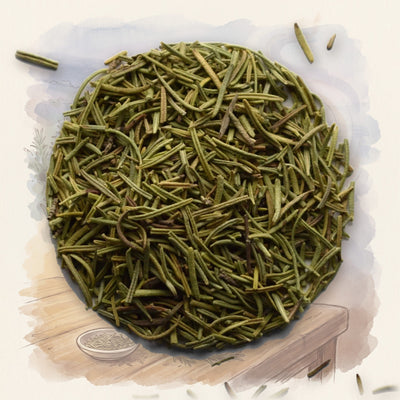


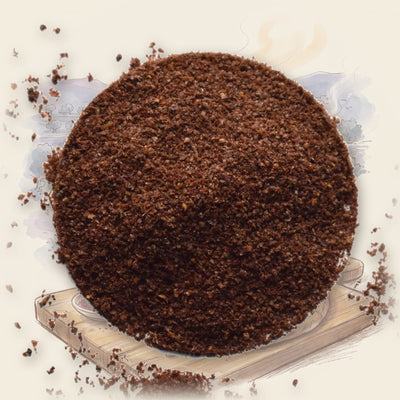
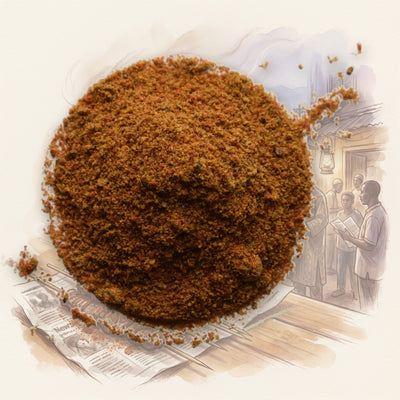
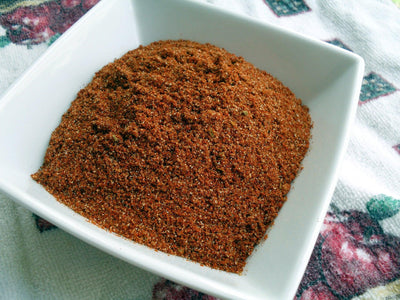
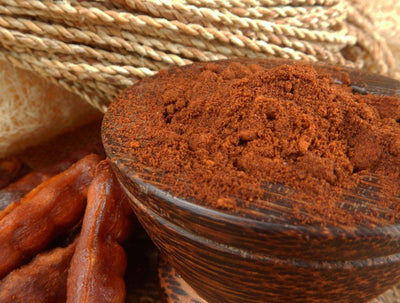



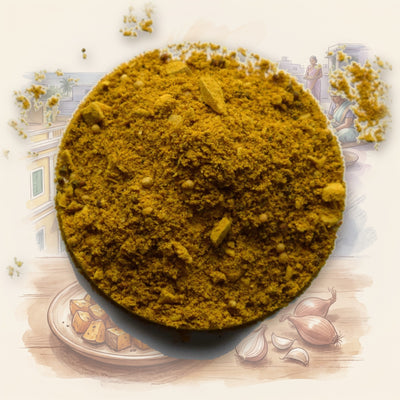
Vadouvan French MasalaIndian-French curry · Mild heat · Smoky, savory
Sold out
☆☆☆☆☆
★★★★★
(1)
$10.99
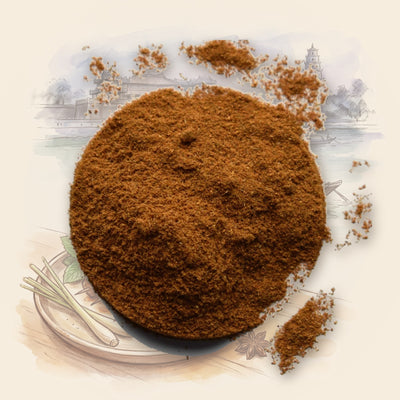
Vietnamese Lemongrass RubSoutheast Asian rub · Mild heat · Citrusy, sweet
☆☆☆☆☆
★★★★★
(1)
$10.99